





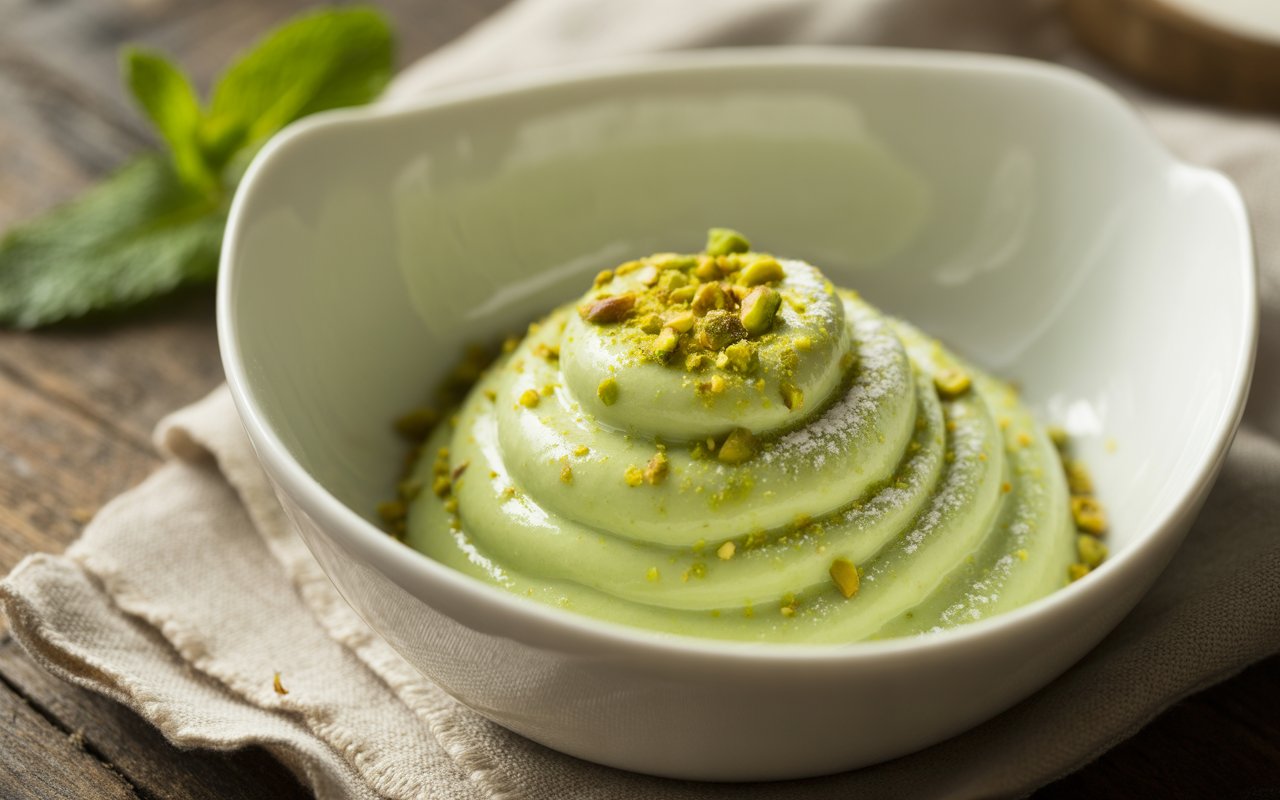

If there’s one spread that deserves a spot beside peanut butter and chocolate hazelnut cream, it’s pistachio cream. Silky, nutty, and just sweet enough to make your taste buds dance, this vibrant green delight is taking the world by storm. Whether you’ve seen it swirled over gelato, tucked into pastries, or simply spooned from the jar (we’ve all been there!), pistachio cream offers a one-of-a-kind experience that’s both luxurious and comforting.
But what exactly is it? Where does it come from? And why is everyone suddenly obsessed with it? Let’s dive deep into the fascinating world of pistachio cream — from its origins and ingredients to its culinary uses, health benefits, and even how you can make it at home.
What Exactly Is Pistachio Cream?
At its core, pistachio cream is a smooth, spreadable paste made from ground pistachios. Think of it as the pistachio equivalent of almond butter or hazelnut spread — but with a more complex, earthy sweetness. It’s often blended with sugar, milk, and sometimes white chocolate or oils to achieve that creamy texture we all love.
Some versions lean more toward savory pistachio paste, used in professional baking and cooking, while others — usually labeled as pistachio cream spread — are sweet and perfect for desserts or as a topping.
The Origins: A Taste Born in the Mediterranean
Pistachios have been cherished for thousands of years. Native to regions of the Middle East and Central Asia, the pistachio tree has flourished across countries like Iran, Turkey, and Italy. In particular, Sicily is known for producing some of the world’s finest pistachios, often referred to as “green gold.”
The famous Bronte pistachio, grown near Mount Etna in Sicily, is prized for its intense flavor and vibrant color. Sicilian pastry chefs have long transformed these nuts into luscious creams, used to fill cannoli, layer cakes, and croissants. Over time, the secret spread made its way beyond Italy, capturing the hearts (and taste buds) of food lovers everywhere.
Why Everyone’s Talking About It

Pistachio cream is more than just a trendy spread — it’s a culinary chameleon. It can go sweet or savory, subtle or bold, depending on how it’s used. Imagine spreading it on a warm croissant, stirring it into your morning coffee, or drizzling it over pancakes. Now imagine it as a filling for macarons, a swirl in cheesecake, or even blended into ice cream. See what I mean?
It’s also visually stunning — that pale green hue adds a touch of elegance and intrigue to any dish. It’s Instagram-worthy and flavor-packed, which explains why it’s gaining traction in cafés, bakeries, and home kitchens worldwide.
How Pistachio Cream Is Made
The process is surprisingly simple but requires patience and high-quality ingredients. Here’s a general breakdown:
1. Selecting the Nuts
The best pistachio creams start with raw, unsalted, and shelled pistachios — ideally high-grade ones like Sicilian or Iranian varieties. The greener the nut, the richer the flavor.
2. Roasting
The nuts are gently roasted to enhance their aroma and deepen the flavor. Too much roasting can dull their color, so this step requires precision.
3. Grinding
The roasted pistachios are finely ground into a paste. Depending on the desired texture, this can range from slightly coarse to ultra-smooth.
4. Mixing
For sweet versions, the paste is blended with sugar, milk, vanilla, and sometimes white chocolate or cocoa butter. The result is a silky, spreadable cream that melts in your mouth.
5. Packaging
Once smooth and luscious, the cream is jarred and sealed, ready to spread, spoon, or savor.
The Taste Profile: A Symphony of Sweet and Nutty
If you’ve ever wondered what pistachio cream tastes like — imagine a blend of butteriness, roasted nuttiness, and a subtle sweetness that lingers. Unlike peanut butter, it’s not overpowering. Unlike hazelnut spread, it’s not too sugary. It strikes that perfect middle ground — sophisticated yet familiar.
There’s also a hint of earthiness that sets it apart. Some describe it as “green” tasting — not grassy, but fresh and natural, like a flavor that connects you straight to the orchard where it came from.
Culinary Uses: From Breakfast to Dessert (and Beyond)
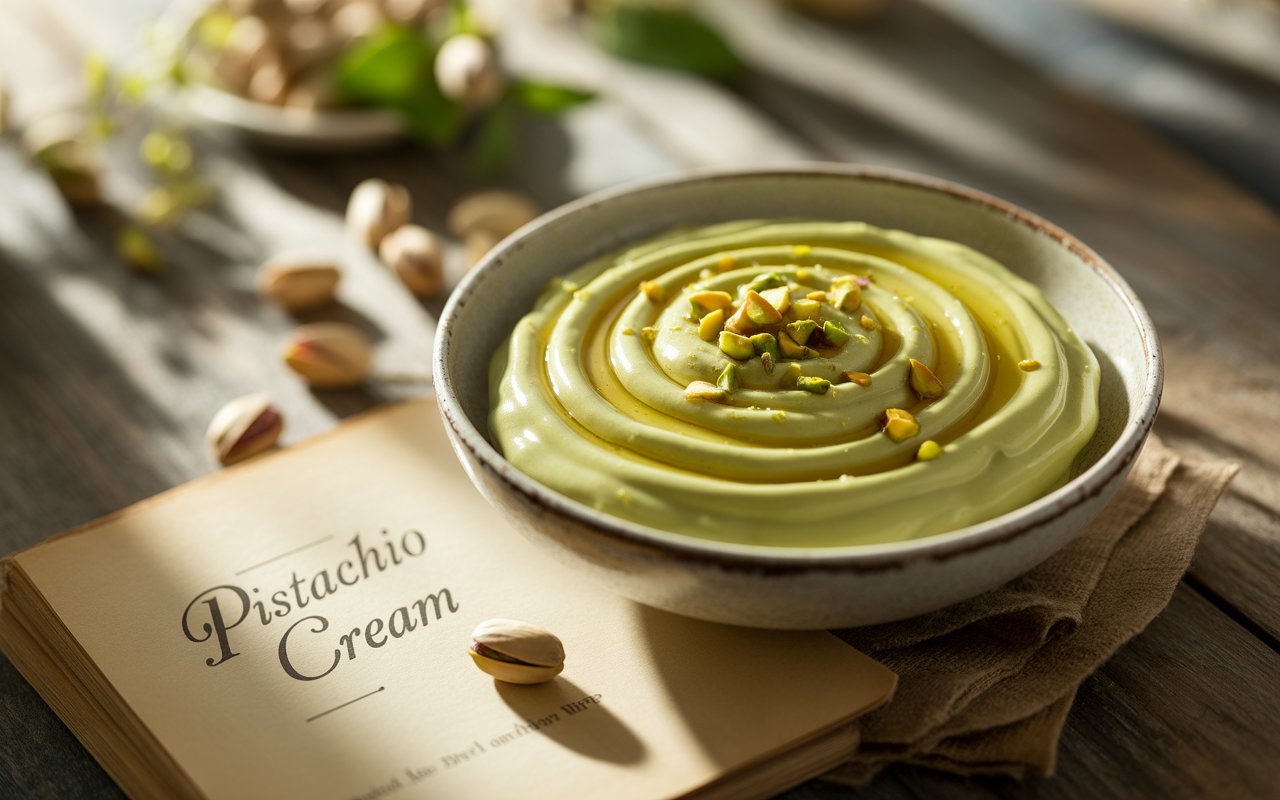
Here’s where pistachio cream shines. It’s not just a spread; it’s a culinary multitasker. You can add it to almost anything to elevate the flavor — sweet or savory.
1. On Toast and Pastries
Spread it on warm toast, bagels, croissants, or brioche for a quick indulgence. It pairs beautifully with fruits like strawberries, figs, or bananas.
2. As a Dessert Filling
Use it in cakes, cupcakes, éclairs, tarts, or macarons. Pistachio cream filling adds a gourmet touch that feels straight out of an Italian patisserie.
3. In Ice Cream and Gelato
Italian gelaterias have long celebrated pistachio gelato. Blending pistachio cream into the base gives that signature color and taste.
4. In Drinks
Stir a spoonful into coffee, milkshakes, or smoothies for a nutty twist. Some even make pistachio lattes — a comforting, earthy alternative to matcha.
5. As a Sauce or Drizzle
Melt it slightly and drizzle over pancakes, waffles, crepes, or cheesecake. You can even pair it with savory dishes like roast chicken or lamb for an exotic touch.
Health Benefits: A Treat with Nutritional Value
Let’s be honest — pistachio cream isn’t exactly a health food if it’s packed with sugar and fats. But when made with natural pistachios and minimal additives, it offers some serious perks.
1. Rich in Nutrients
Pistachios are loaded with protein, fiber, healthy fats, antioxidants, and vitamins like B6 and E. They’re one of the most nutrient-dense nuts.
2. Heart-Healthy Fats
They contain monounsaturated and polyunsaturated fats — the kind that supports heart health and lowers bad cholesterol.
3. Protein Powerhouse
Pistachios have one of the highest protein contents among nuts, making the cream a good energy booster (in moderation).
4. Antioxidant-Rich
Their vibrant green color comes from lutein and chlorophyll, both powerful antioxidants that support eye and skin health.
5. Mood-Boosting Qualities
Thanks to the combination of natural oils and nutrients, pistachios may even help lift your mood and energy levels.
Pistachio Cream vs. Pistachio Paste: What’s the Difference?
This is a common question — and the distinction matters, especially in cooking.
-
Pistachio Paste: Pure ground pistachios, often unsweetened. Used by chefs and bakers as an ingredient base.
-
Pistachio Cream: A sweetened, ready-to-eat spread that usually includes sugar, milk, or chocolate.
Think of it like cocoa powder vs. Nutella — one’s an ingredient, the other’s a dessert in a jar.
Homemade Pistachio Cream: A Kitchen Adventure
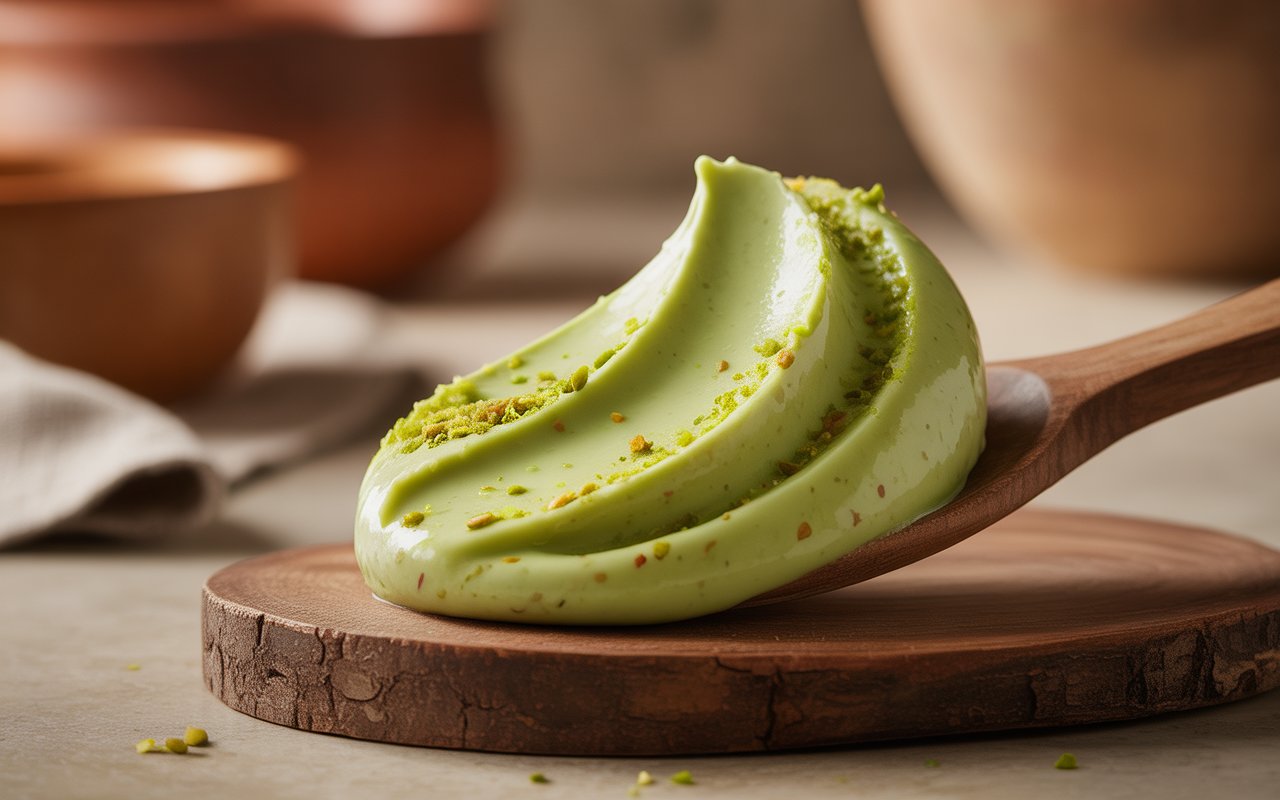
If you’re a DIY enthusiast, you’ll be thrilled to know that making pistachio cream at home is easier than it sounds. All you need are a few ingredients and a good blender.
Ingredients:
-
1 cup shelled pistachios (unsalted)
-
2–3 tablespoons sugar (or honey)
-
1–2 tablespoons milk (or plant-based milk)
-
1 tablespoon neutral oil (like sunflower)
-
A pinch of salt
-
Optional: 1–2 tablespoons white chocolate for extra creaminess
Method:
-
Blanch and peel the pistachios if you want a smoother, brighter green result.
-
Roast lightly to release flavor (5–7 minutes).
-
Blend until they turn into a fine paste.
-
Add sugar, milk, oil, and white chocolate, and blend until silky.
-
Store in a jar in the fridge — it lasts up to 2 weeks.
Homemade versions let you control sweetness and ingredients, making it both healthier and fresher.
Pistachio Cream Around the World
While Italy remains the spiritual home of pistachio cream, other cultures have embraced it in their own ways:
-
France uses it in pastries and pralines.
-
Turkey mixes pistachio paste into desserts like baklava.
-
The Middle East often combines it with rosewater or honey.
-
The U.S. has adopted it in modern cafés and artisan bakeries — think pistachio croissants or milkshakes.
It’s fascinating how one humble nut can travel the globe, adapting to countless cuisines and palates.
The Art of Pairing: What Goes Best with Pistachio Cream
Pairing pistachio cream is all about balance — matching its nutty sweetness with complementary flavors.
-
Fruits: Berries, bananas, figs, and pears
-
Chocolate: Especially dark or white chocolate
-
Cheese: Soft cheeses like ricotta or mascarpone
-
Bread: Brioche, croissants, and sourdough
-
Coffee: Pistachio cream coffee or affogato
A drizzle of pistachio cream can even elevate something as simple as vanilla ice cream into a gourmet dessert.
The Green Aesthetic: Why It’s Visually Irresistible
Let’s face it — pistachio cream looks beautiful. Its natural green tone feels fresh, calming, and unique among spreads. In food photography and social media, color is half the story — and pistachio cream delivers both beauty and flavor.
In a world where “eating with your eyes” is real, pistachio cream is the perfect muse for chefs and food creators alike.
Sustainability and the Pistachio Industry
Pistachio cultivation is relatively sustainable compared to other nuts. Pistachio trees are drought-resistant, thrive in dry climates, and require less water than almonds. They also have a long lifespan — some trees can produce nuts for over a century.
Choosing ethically sourced pistachio cream supports sustainable agriculture and helps preserve traditional farming in regions like Bronte and Gaziantep.
The Final Scoop: A Treat Worth Savoring
Pistachio cream isn’t just another spread; it’s a culinary celebration. It bridges tradition and innovation, flavor and nutrition, indulgence and sophistication. Whether you use it to elevate your morning toast or crown your favorite dessert, pistachio cream adds a touch of luxury to everyday life.
It’s not just about taste — it’s about the story of a nut that traveled across centuries, cultures, and kitchens to become the world’s new obsession. So next time you dip a spoon into that green jar, remember: you’re tasting history, artistry, and pure joy in every bite.
FAQs About Pistachio Cream
1. Is pistachio cream the same as pistachio butter?
Not exactly. Pistachio butter is typically made from 100% ground pistachios, while pistachio cream often includes added sugar, milk, or chocolate for sweetness and a smoother texture.
2. How should I store pistachio cream?
Keep it in a cool, dry place or refrigerate after opening. Homemade versions without preservatives should be refrigerated and consumed within two weeks.
3. Can pistachio cream be used in savory dishes?
Yes! It pairs wonderfully with meats, cheeses, and even pasta. Try mixing it with olive oil for a creamy pistachio pesto or drizzle over grilled chicken.
4. Is pistachio cream healthy?
When made with natural ingredients and minimal sugar, it can be nutritious. Pistachios are rich in protein, fiber, and healthy fats. However, store-bought versions can be high in sugar, so moderation is key.
5. Can I make pistachio cream without dairy?
Absolutely. Use plant-based milk (like almond or oat milk) and skip white chocolate, or use vegan chocolate alternatives for a fully dairy-free version.