





If you’ve ever spotted a long, yellow pepper sitting cheerfully on a pizza or tucked inside a sandwich, chances are you’ve already met the banana pepper. These peppers may not grab your attention the way fiery chilies do, but don’t let their mild nature fool you. They pack plenty of flavor, versatility, and personality. In this guide, we’ll explore what makes them special—from how they taste to how you can grow, cook, and enjoy them daily. Think of this article as your all-in-one companion to understanding these bright, crunchy peppers with a story worth sharing.
What Exactly Are Banana Peppers?
A Mild Pepper With Big Charm
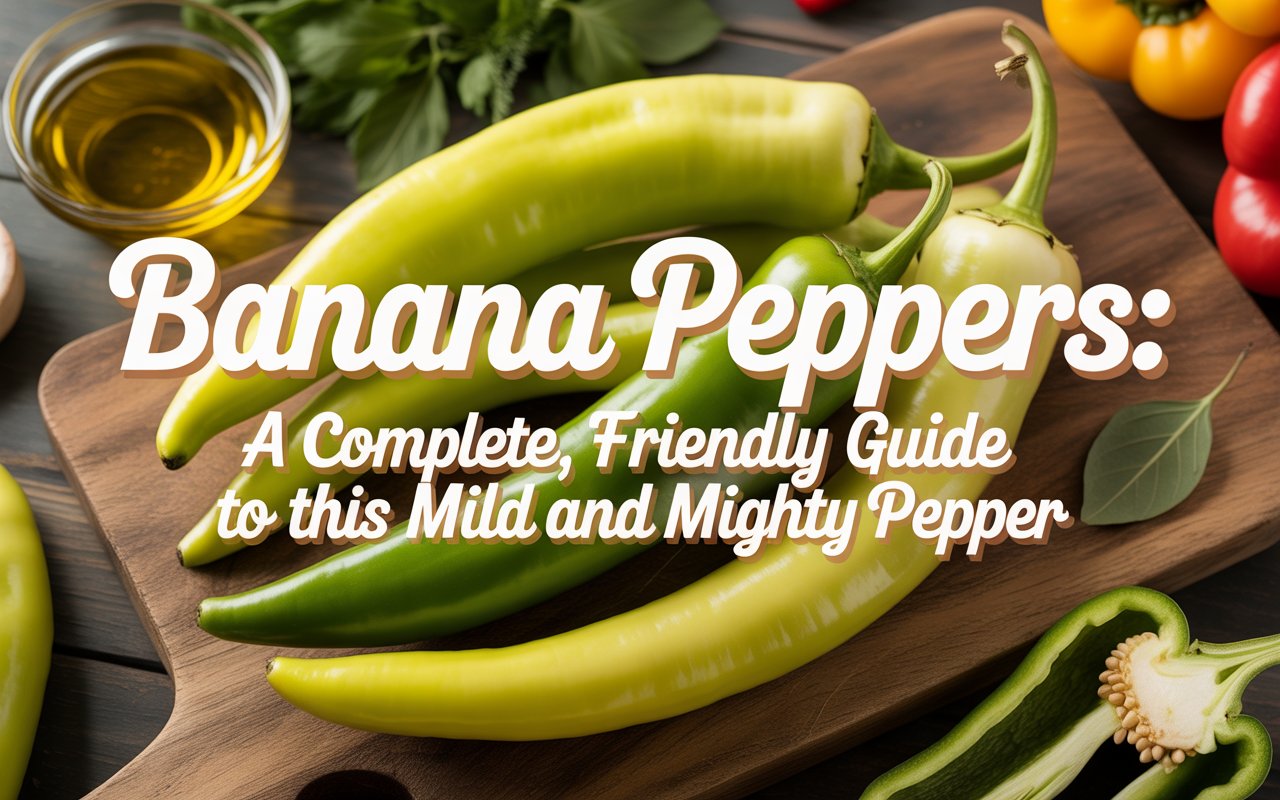
Banana peppers belong to the Capsicum annuum family—the same group that gives us bell peppers and jalapeños. Their name comes from their shape and color, which resembles a banana: long, slightly curved, and typically yellow. Unlike spicy chilies, they bring a gentle tang, making them perfect for people who love flavor without the heat.
Where They Come From
Although widely used around the world today, banana peppers trace their origins to the Americas. Over time, they became popular in Mediterranean, Balkan, and Middle Eastern cuisines, where pickled vegetables and tangy additions are common.
The Flavor Profile: What Do Banana Peppers Taste Like?
Mild Heat With a Tangy Kick
If bell peppers and jalapeños had a “middle child,” it would be the banana pepper—mild, approachable, and full of personality. It delivers a tiny hint of heat combined with a crisp, slightly sweet tang that makes your taste buds perk up without overwhelming them.
Heat Level on the Scoville Scale
Fresh vs. Pickled Taste
Fresh banana peppers taste crisp, lightly sweet, and citrusy. Pickled ones—often seen in jars—take on extra zest from the vinegar brine, making them a popular topping for sandwiches, salads, and pizza.
Types of Banana Peppers

Sweet Banana Peppers
These are the classic type you’ll find in grocery stores. They’re mild, crunchy, and naturally sweet, making them great raw or cooked.
Hot Banana Peppers
Although still mild, hot banana peppers offer a little more kick. They work beautifully in salsas, stuffed pepper recipes, and pickling jars.
Hungarian Wax Peppers: Often Confused
Nutritional Benefits: Why Banana Peppers Are Good for You
A Low-Calorie, High-Flavor Option
One of the best things about banana peppers is that they add flavor without adding guilt. A single pepper contains very few calories but plenty of freshness.
Packed With Immune-Supporting Vitamins
Banana peppers contain:
-
Vitamin C, which supports immunity
-
Vitamin A, which aids vision
-
Fiber, which helps digestion
They’re a simple way to add nutrients to your meals without changing your routine.
Antioxidants and Metabolism Support
Their natural plant compounds serve as antioxidants, helping your body fight stress and inflammation. While they don’t offer intense heat like chili peppers, they still contribute to healthy metabolism and overall wellness.
Culinary Uses: How to Enjoy Banana Peppers
Raw and Fresh
Fresh banana peppers offer crispness and mild sweetness. Slice them into:
-
salads
-
wraps
-
tacos
-
veggie platters
Their taste is like adding a bright splash of sunshine to your meal.
Pickled Goodness
Pickled banana peppers might be the most popular form worldwide. They bring tanginess, texture, and zing that complements:
-
burgers
-
deli sandwiches
-
pizzas
-
nachos
Think of them as the “friendly neighbor”—they show up everywhere and make things better.
Stuffed Banana Peppers
Stuffed peppers are a comfort-food classic. Banana peppers can be filled with:
-
cheese mixtures
-
seasoned rice
-
ground meat
-
beans or vegetables
The result is a satisfying dish that feels indulgent without being heavy.
Cooking Methods That Work Best
You can:
-
grill
-
sauté
-
roast
-
bake
-
air-fry
Their mild nature allows them to adapt easily to different recipes and cuisines.
Growing Banana Peppers at Home

Why Grow Them?
Growing banana peppers is like adopting a low-maintenance pet—they don’t ask for much, but they reward you generously. They’re hardy, productive, and ideal for beginners.
Choosing the Right Spot
These peppers love:
-
warm climates
-
full sunlight
-
well-drained soil
Even a balcony garden can accommodate them if you use a medium-sized pot.
Planting Tips
-
Begin by sprouting the seeds indoors about 6–8 weeks ahead of your region’s final frost date.
-
Transfer plants when the weather warms up.
-
Keep the soil slightly moist but not soggy.
Harvesting
Pick them when they’re 4–6 inches long and bright yellow. Leaving them on the plant longer will deepen their color and flavor.
How to Pick Perfect Banana Peppers
Signs of Freshness
When buying banana peppers, look for:
-
glossy skin
-
firm bodies
-
bright, vibrant color
-
stems that look fresh and green
Avoid peppers with soft spots or wrinkles.
Choosing Between Fresh and Pickled
If you want crunch and freshness, go for raw peppers. If you’re looking for flavor intensity or convenience, pickled ones are the way to go.
Storing and Preserving Banana Peppers
Short-Term Storage
Place fresh banana peppers in a sealed bag in the refrigerator. They’ll last up to a week without losing crispness.
Freezing
Slice them or freeze them whole. They keep well for months and work great in cooked dishes.
Home Pickling
Homemade pickling can be a fun kitchen project. Add vinegar, garlic, salt, herbs, and you’re done. It’s like bottling your own sunshine for later.
Banana Peppers in Different Cuisines

Mediterranean and Middle Eastern Dishes
Banana peppers appear frequently in mezze platters, fresh salads, and grilled dishes.
American Comfort Foods
From subs to burgers, they offer that familiar tang many diners love.
Balkan Cuisine
Pickled banana peppers often accompany grilled meats or stuffed cabbage rolls.
Tex-Mex and Beyond
They pair beautifully with tacos, nachos, and bowls, adding mild heat without overpowering other flavors.
Creative Recipe Ideas
Tangy Pepper Salad
Mix banana peppers with cucumbers, herbs, tomatoes, and lemon for a refreshing bowl.
Pepper Pizza Topping
Add them over mozzarella and tomato sauce for a tangy bite.
Stuffed Pepper Boats
Bake peppers filled with cheese or meat for an indulgent appetizer.
Banana Pepper Dip
Blend roasted peppers with yogurt, garlic, and olive oil for a creamy spread.
Fun Facts You Might Not Know
They Change Color
While typically yellow, banana peppers may turn orange or red when fully ripe.
A Great Pollinator Plant
These plants help attract bees, making them beneficial for your garden ecosystem.
Popular in Pickling Culture
Pickled banana peppers have earned a firm spot in global food traditions for their tangy impact.
Conclusion
Banana peppers may look simple, but they offer a world of possibilities—from gardening to cooking and everything in between. Whether you love them fresh, stuffed, roasted, or pickled, they’re an easy way to bring brightness and flavor into everyday meals. I often compare them to a friendly neighbor: always welcome, always uplifting, and always adding something positive without taking over the whole space. With their mild heat, rich nutrients, and remarkable versatility, these peppers deserve a permanent place in your kitchen.
FAQs
1. Are banana peppers spicy?
Not really. They’re considered very mild and sit at the low end of the Scoville scale.
2. Can I eat banana peppers raw?
Yes! They’re crisp, sweet, and perfect for salads, wraps, and snacks.
3. How do pickled banana peppers differ from fresh ones?
Pickled versions are tangier and softer due to the vinegar brine, while fresh ones are crunchy and mildly sweet.
4. How long do banana peppers last in the fridge?
Fresh ones typically last up to a week if stored properly in a sealed bag.
5. Are banana peppers good for weight management?
Yes. Their low calorie count and high fiber content make them a smart choice for healthy eating.