




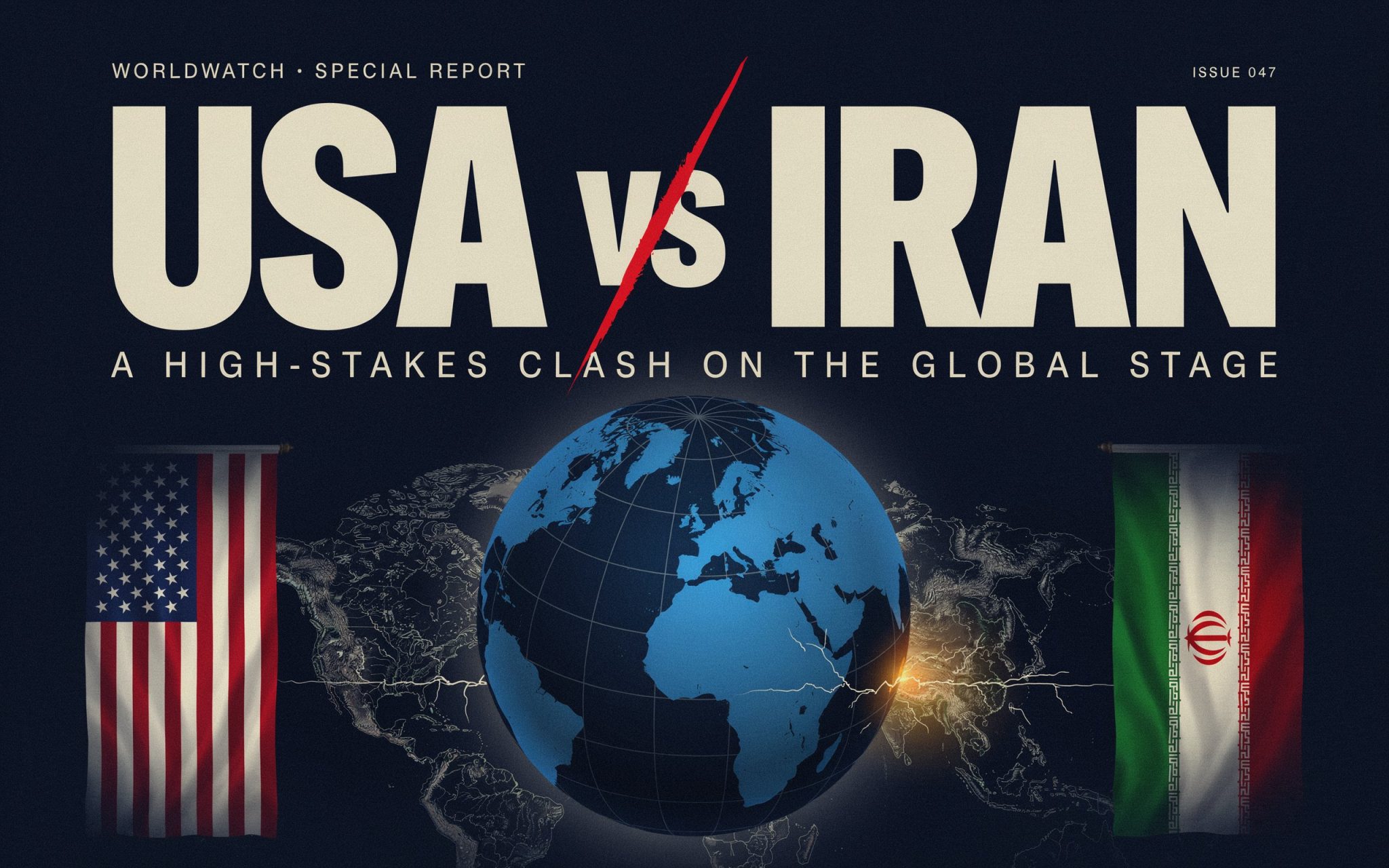

The relationship between the United States and Iran remains one of the most complex and closely watched geopolitical issues in the world. For decades, tensions between the two nations have influenced global energy markets, military strategies, and diplomatic efforts across the Middle East.
Many people searching for information about USA vs Iran want to understand why the conflict exists, what happened in Iran over the years, and whether the two countries could eventually improve their relationship. In this article, you’ll learn about the origins of the dispute, recent developments, the role of Israel, and what the future may hold for both nations.
What Is the USA vs Iran Conflict?
Quick Answer
The USA vs Iran conflict is a long-running political, military, and diplomatic dispute that began after Iran’s 1979 Islamic Revolution. Since then, disagreements over regional influence, nuclear development, sanctions, and security concerns have fueled ongoing tensions.
Unlike traditional wars between nations, the conflict has often involved economic sanctions, proxy conflicts, cyber operations, and diplomatic confrontations rather than direct large-scale military engagement.
The History Behind US Iran Relations
Understanding US Iran relations requires looking at several key historical events.
Before 1979: A Strategic Partnership
For much of the 20th century, the United States and Iran maintained relatively friendly relations. Iran, under Shah Mohammad Reza Pahlavi, was considered a key American ally in the Middle East.
The partnership included:
- Military cooperation
- Economic investment
- Intelligence sharing
- Regional security coordination
The 1979 Islamic Revolution
Everything changed in 1979 when the Iranian Revolution overthrew the Shah and established the Islamic Republic.
Shortly afterward, Iranian students seized the U.S. Embassy in Tehran and held American diplomats hostage for 444 days. This crisis severely damaged diplomatic ties and remains a defining moment in the history of the United States and Iran conflict.
Decades of Tension
Since the revolution, both countries have clashed over:
- Regional influence
- Support for opposing political groups
- Nuclear development programs
- Economic sanctions
- Military activities in the Persian Gulf
These issues continue to shape modern relations.
What Happened in Iran? Key Events That Shaped Today’s Situation
Many people ask, “What happen in Iran?” The answer lies in a series of political shifts, economic pressures, and security challenges that have shaped Iran’s path over the past several decades.
Nuclear Program Controversies
One of the biggest sources of tension has been Iran’s nuclear program.
The United States and many Western allies have expressed concerns that Iran could develop nuclear weapons capability. Iran maintains that its nuclear activities are intended for peaceful energy and scientific purposes.
This disagreement led to:
- International sanctions
- Diplomatic negotiations
- Nuclear agreements
- Periodic escalations in tensions
Economic Sanctions
The United States has imposed extensive sanctions on Iran targeting:
- Oil exports
- Banking systems
- International trade
- Government institutions
Supporters argue sanctions pressure Iran to change its policies, while critics say they negatively affect ordinary Iranian citizens.
Domestic Challenges
Iran has also experienced internal challenges, including:
- Economic difficulties
- Inflation
- Currency instability
- Public protests
- Political debates regarding reforms
These factors have influenced Iran’s domestic and foreign policy decisions.
Conflict in Iran and Israel: Why It Matters
The Regional Dimension
The conflict in Iran and Israel has become one of the most significant security concerns in the Middle East.
Israel views Iran’s regional influence and missile programs as major security threats. Iran, meanwhile, has strongly criticized Israeli policies and supports groups opposed to Israel in parts of the region.
Why the United States Is Involved
The United States maintains a close strategic partnership with Israel. As a result, tensions between Iran and Israel often affect U.S. foreign policy decisions.
Key concerns include:
- Regional military stability
- Missile development
- Maritime security
- Terrorism concerns
- Nuclear proliferation risks
Any escalation between Iran and Israel has the potential to draw international attention and diplomatic intervention.
Recent Escalations
Over recent years, the Middle East has witnessed periods of heightened tension involving:
- Missile exchanges
- Drone attacks
- Cyber operations
- Military strikes
- Increased security alerts
These incidents have reinforced concerns about broader regional instability.
Is the US Allies with Iran?
Short Answer: No
For those wondering, “Is the US allies with Iran?” the answer is no.
The United States and Iran do not maintain a formal alliance and have not had normal diplomatic relations since 1980.
Current Relationship Status
The relationship can best be described as adversarial but occasionally cooperative in limited areas of mutual interest.
There have been periods where both countries indirectly supported similar objectives, such as combating extremist groups in certain situations. However, these instances have not translated into a broader partnership.
Today, major disagreements remain regarding:
- Nuclear activities
- Regional influence
- Military presence
- Human rights concerns
- Economic sanctions
The Global Impact of the United States and Iran Conflict
The United States and Iran conflict extends far beyond the two countries involved.
Impact on Global Oil Markets
Iran sits near some of the world’s most important energy transportation routes.
When tensions rise:
- Oil prices often increase
- Shipping costs may rise
- Energy markets become volatile
- Global inflation concerns can grow
International Security Concerns
Many governments monitor developments closely because instability in the Middle East can affect:
- Global trade
- Military alliances
- Counterterrorism efforts
- Refugee movements
- International diplomacy
Influence on Regional Politics
Countries throughout the Middle East often adjust their foreign policies based on changing dynamics between Washington and Tehran.
This makes the conflict one of the most influential geopolitical issues in the modern era.
Can US Iran Relations Improve?
While tensions remain significant, diplomacy continues to play an important role.
Potential areas for progress include:
- Nuclear negotiations
- Regional security agreements
- Economic cooperation
- Humanitarian initiatives
- Diplomatic engagement
However, deep mistrust built over decades means meaningful improvements are likely to require sustained effort from both sides.
Many analysts believe that long-term stability will depend on dialogue, confidence-building measures, and regional cooperation.
Frequently Asked Questions
Why are the USA and Iran in conflict?
The conflict largely stems from the 1979 Iranian Revolution, disagreements over regional influence, nuclear activities, sanctions, and security concerns.
What happened in Iran that changed relations with the United States?
The Islamic Revolution in 1979 replaced the U.S.-backed Shah with the Islamic Republic. The subsequent hostage crisis led to a severe breakdown in relations.
Is the US allies with Iran today?
No. The United States and Iran are not allies and have maintained strained relations for decades.
How does the conflict in Iran and Israel affect the United States?
Because the U.S. is a close partner of Israel, tensions between Iran and Israel often influence American foreign policy and regional security strategies.
Can the United States and Iran avoid future conflict?
Diplomatic negotiations, international cooperation, and confidence-building measures may help reduce tensions, although significant challenges remain.
Conclusion
The USA vs Iran relationship continues to shape global politics, Middle Eastern security, and international diplomacy. From the 1979 revolution to modern disputes over nuclear development and regional influence, the tensions between these two nations remain a critical issue for policymakers and citizens worldwide.
Understanding the history, current challenges, and future possibilities surrounding US Iran relations helps provide valuable insight into one of the most important geopolitical relationships of our time.