





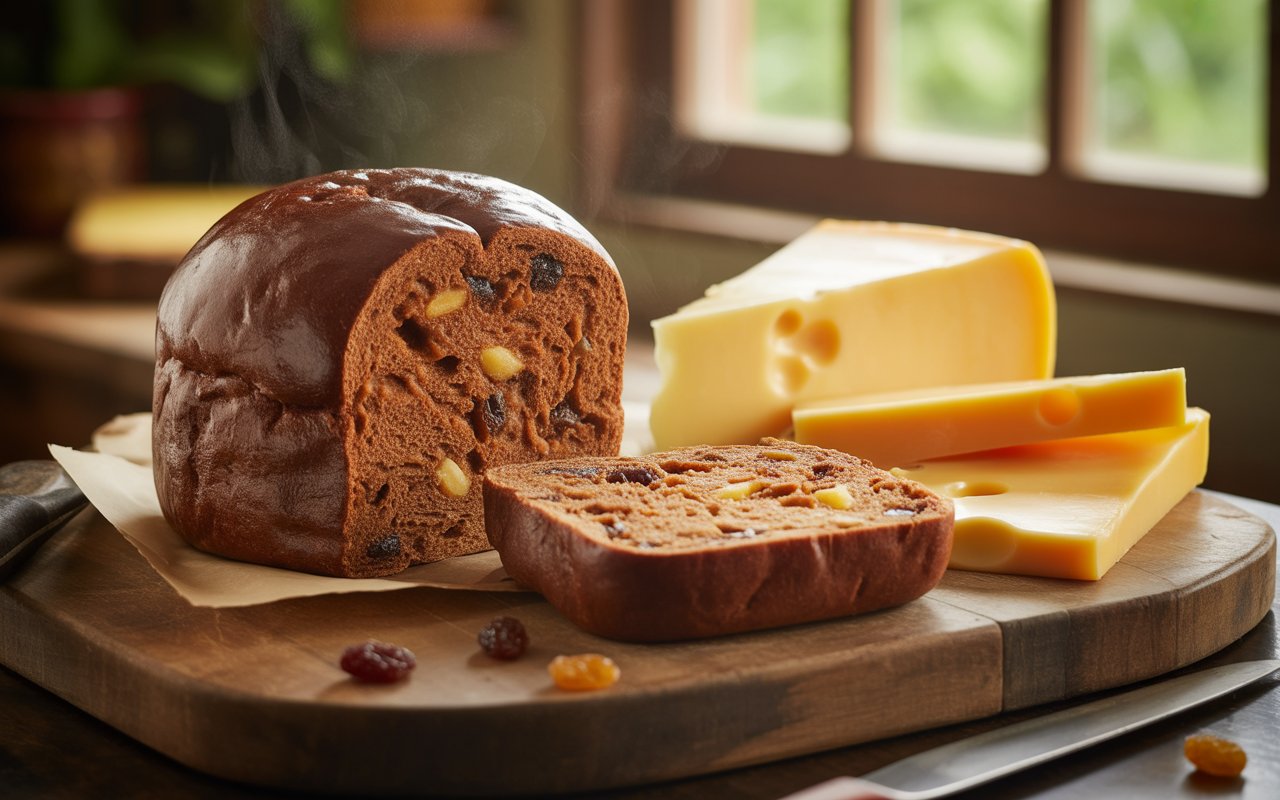

Few food combinations capture the spirit of a culture the way bun and cheese does in Jamaica. At first glance, it may look simple—just a slice of spiced bread paired with cheese—but for Jamaicans, it’s much more than a snack. It represents heritage, celebration, family traditions, and the vibrant culinary history of the Caribbean.
If you’ve never tasted it before, you might wonder: Why are sweet bread and cheese eaten together? Surprisingly, the pairing works beautifully. The rich sweetness of the bun blends with the creamy saltiness of the cheese, creating a balanced flavor that feels comforting and indulgent at the same time.
In this article, we’ll explore everything about this iconic Jamaican treat—from its origins and ingredients to how it’s enjoyed today around the world.
The Cultural Importance of Jamaican Bun and Cheese
Food often tells a story, and this classic pairing tells a very Jamaican one.
For many families, enjoying bun and cheese is a tradition tied to Easter celebrations. During this season, bakeries across Jamaica prepare large batches of spiced buns that are sliced and filled with cheese. The combination becomes a centerpiece of holiday meals and gatherings.
But it’s not just about the food. It’s about the experience. Parents pass the tradition down to children, neighbors share slices with each other, and friends gather around the table to enjoy the treat.
Think of it like a culinary handshake—a simple dish that connects people and brings them together.
The History Behind This Jamaican Favorite
Origins Linked to British Traditions
The roots of this treat can be traced back to colonial times. British settlers introduced hot cross buns, a sweet spiced bread eaten during Easter.
Over time, Jamaicans adapted the recipe, replacing some ingredients and creating a denser loaf with local flavors.
Evolution Into a Caribbean Classic
As the recipe evolved, new ingredients such as molasses, dried fruits, and spices were added. Eventually, the bun became richer and more flavorful than its European predecessor.
Pairing the bun with cheese became popular later, creating the iconic combination that is now loved throughout Jamaica and beyond.
What Exactly Is Jamaican Easter Bun?
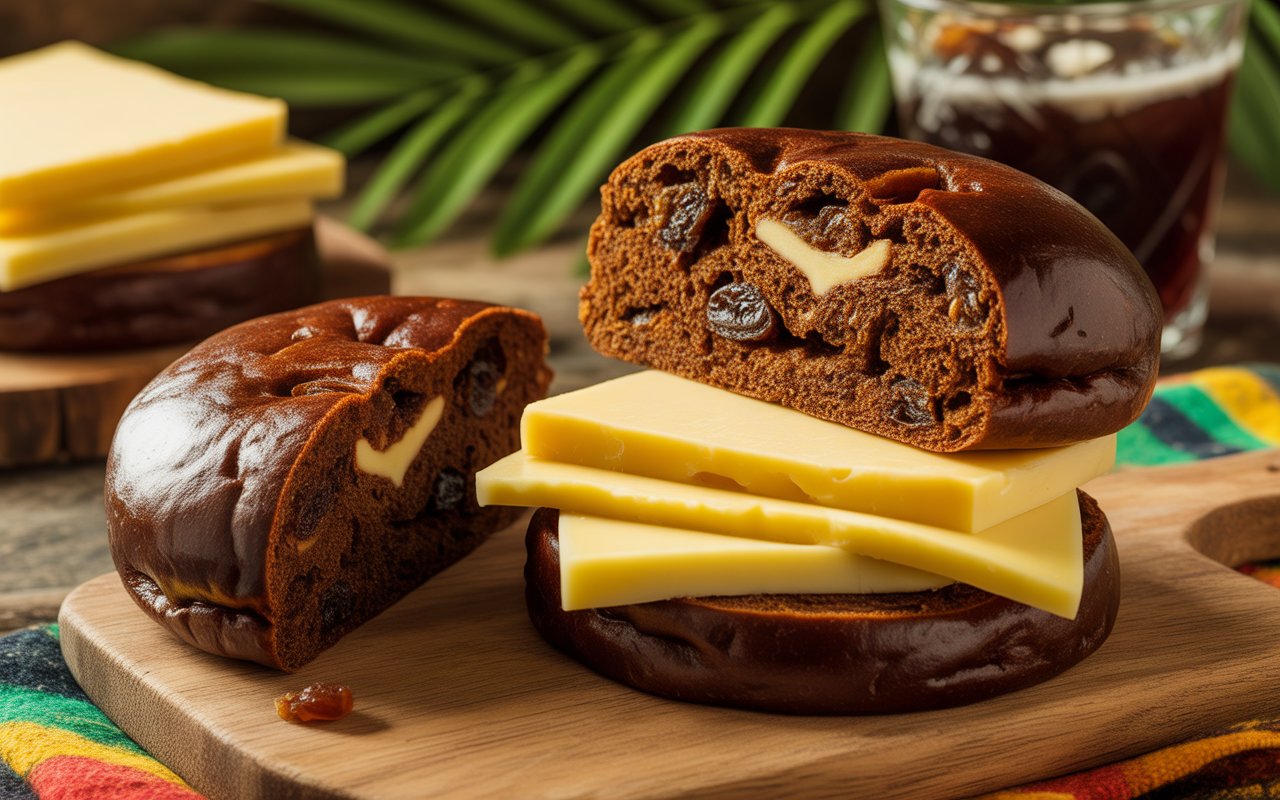
The bun used in this pairing is quite different from ordinary bread.
Sweet and Dense Texture
Unlike soft dinner rolls, the bun is thick and slightly sticky. Its texture is closer to a fruit cake but softer and easier to slice.
Packed With Flavor
The bread often contains a mixture of:
- Molasses or dark sugar
- Raisins or currants
- Cinnamon and nutmeg
- Browning or caramel coloring
- Sometimes stout beer or malt for richness
The result is a loaf that smells amazing even before you take your first bite.
The Cheese That Completes the Pairing
While the bun carries the sweetness, the cheese provides the balance.
Traditional Jamaican Cheese
Most people in Jamaica use a processed cheddar-style cheese that has a mild but slightly salty taste.
One well-known example is produced by the Jamaican dairy brand Tastee Cheese.
Why This Cheese Works So Well
The cheese is firm enough to slice neatly but creamy enough to melt slightly against the warm bun. The contrast between sweet and salty is what makes the combination memorable.
If you imagine flavors as music, the bun is the melody and the cheese is the bass—different notes, but together they make the song complete.
How Bun and Cheese Became an Easter Tradition
Religious Influence
The connection to Easter dates back centuries. In many Christian traditions, special breads are baked during this season to mark the end of Lent.
Jamaican bakers adopted the idea but made it their own.
Seasonal Popularity
During the weeks leading up to Easter, supermarkets and bakeries across Jamaica are filled with freshly baked buns.
People often buy several loaves to share with family members, coworkers, and friends.
Ingredients That Give the Bun Its Signature Taste
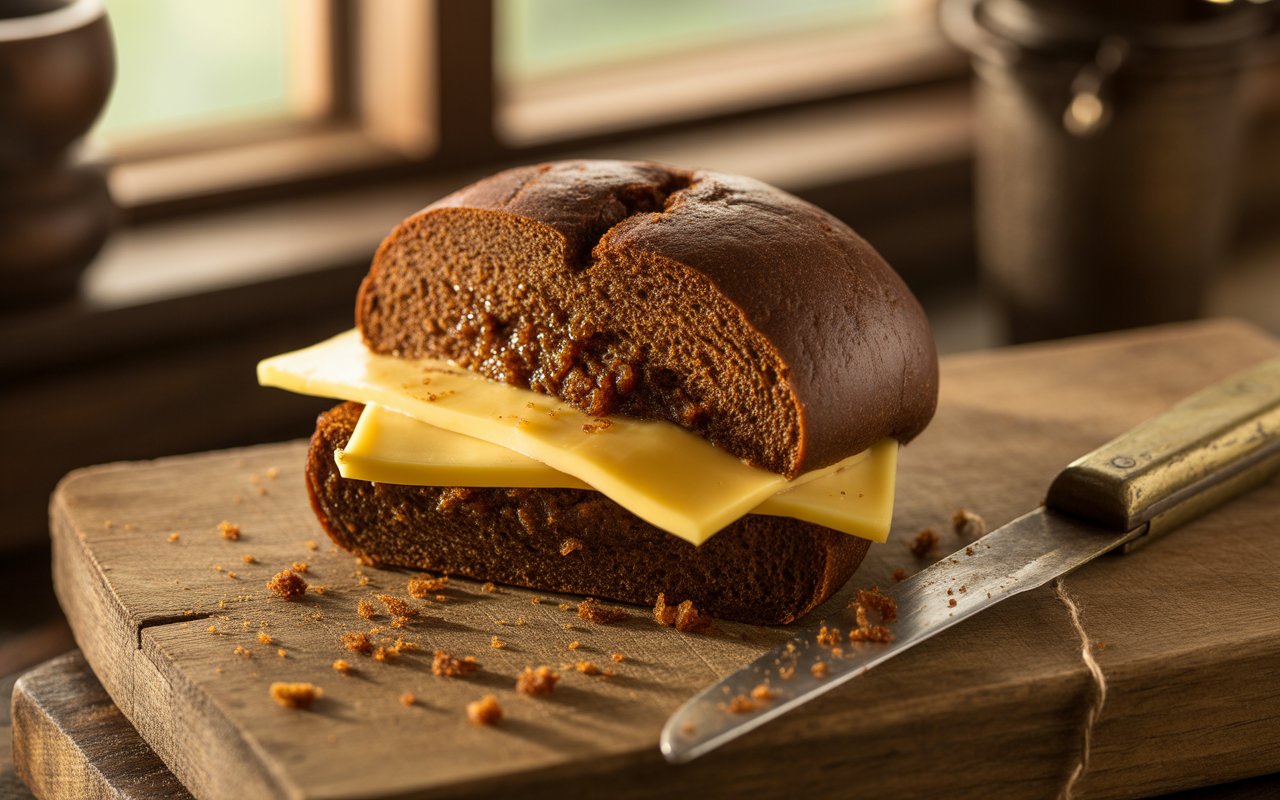
The magic of the bun lies in its unique blend of ingredients.
Molasses and Browning
Molasses provides deep sweetness and dark color, while browning gives the bun its signature rich appearance.
Dried Fruits
Raisins or mixed fruits add bursts of sweetness and texture throughout the loaf.
Warm Spices
Cinnamon, nutmeg, and sometimes allspice bring a comforting aroma that fills the kitchen during baking.
Liquid Ingredients
Some recipes include stout beer or malt drink, which enhances flavor and adds subtle complexity.
How to Make Jamaican Bun at Home
Making this delicious bread is easier than many people think.
Basic Preparation Steps
- Mix flour, spices, sugar, and baking powder in a bowl.
- Add molasses, melted butter, and liquid ingredients.
- Fold in dried fruits.
- Pour the batter into a loaf pan.
- Bake until firm and fragrant.
Once baked, the loaf is allowed to cool before slicing.
Serving With Cheese
After slicing the bun, place a thick slice of cheese in the middle like a sandwich. Some people prefer warming it slightly so the cheese softens.
Either way, it’s delicious.
Modern Twists on the Classic Pairing
While the traditional version remains popular, modern variations have started appearing.
Creative Additions
Some bakers experiment with:
- Chocolate chips
- Coconut flakes
- Pineapple bits
- Glazed toppings
Gourmet Cheese Pairings
Food enthusiasts sometimes try different cheeses such as aged cheddar, gouda, or cream cheese for a new flavor experience.
These twists don’t replace the classic—they simply give fans new ways to enjoy it.
Why the Sweet and Savory Combination Works
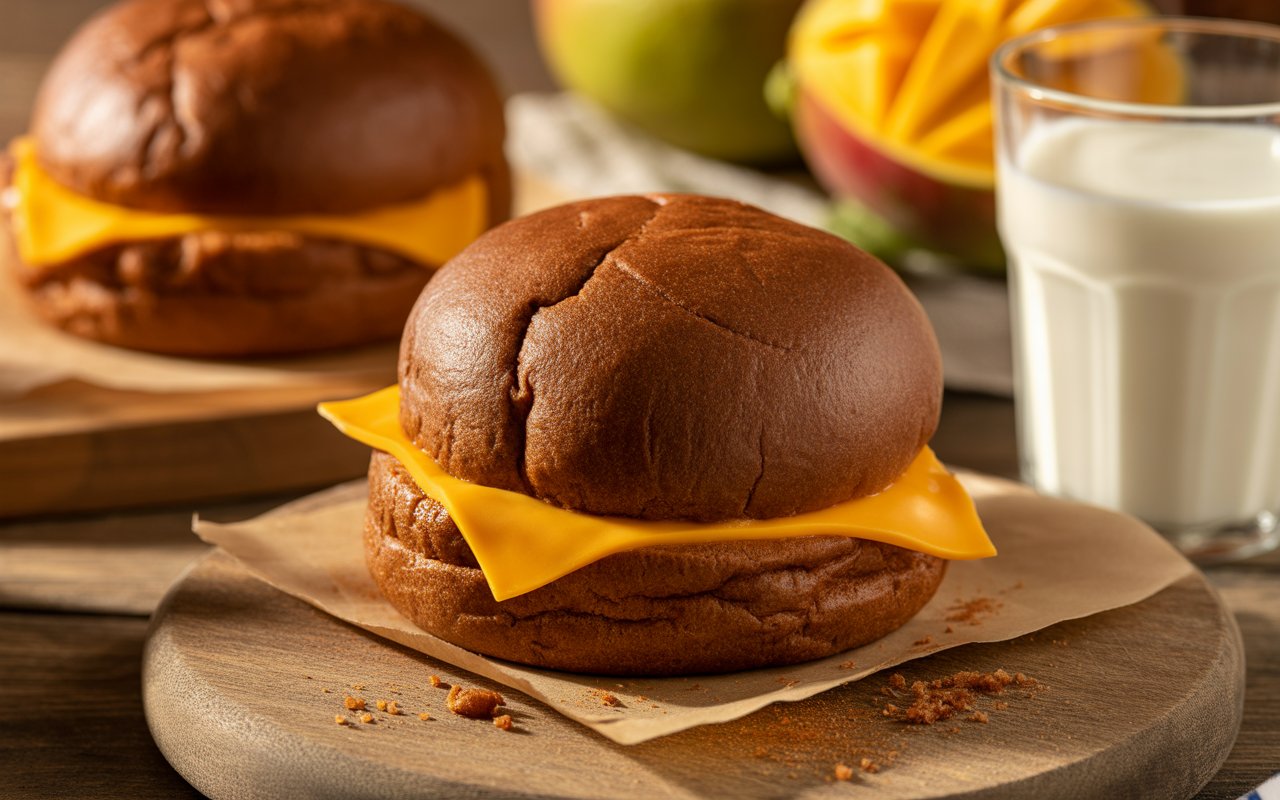
You might wonder why sweet bread and cheese pair so well together.
The secret lies in contrast.
Sweet flavors stimulate certain taste receptors, while salty foods activate others. When combined, the brain interprets the mixture as more complex and satisfying.
This is the same reason people love combinations like salted caramel or chocolate with sea salt.
Where You Can Find Jamaican Bun and Cheese Today
Although the dish originated in Jamaica, it’s now enjoyed in many parts of the world.
Caribbean Bakeries Abroad
Cities with large Caribbean communities—such as those in North America and the United Kingdom—often sell authentic buns during Easter.
Online Stores
Some specialty food retailers ship Jamaican products internationally, making it easier for people everywhere to try the famous snack.
Tips for Enjoying Bun and Cheese the Authentic Way
If you want to experience it like a local, try these tips.
Slice Thick Pieces
Thin slices won’t capture the full flavor. Thick pieces make the texture and taste more satisfying.
Serve at Room Temperature
The bun tastes best when slightly soft and aromatic.
Pair With a Warm Drink
Many people enjoy it with tea, coffee, or hot chocolate.
The Role of Food in Jamaican Identity
Dishes like bun and cheese do more than satisfy hunger. They preserve culture.
Every bite tells a story about Jamaica’s history—its colonial past, African influences, and creative culinary spirit.
When families share this treat, they are also sharing memories and traditions that connect generations.
Conclusion
Jamaican bun and cheese may appear simple, but behind that simplicity lies a rich story of culture, tradition, and flavor. The sweet spiced bread paired with creamy cheese creates a balance that feels both comforting and unique.
Whether enjoyed during Easter or discovered for the first time in a Caribbean bakery, this beloved pairing offers more than just a snack—it offers a glimpse into Jamaican heritage.
And perhaps that’s why it continues to capture hearts around the world. Like a good song or a warm conversation, once you experience it, you’ll want to come back for another slice.
FAQs
1. What is Jamaican bun and cheese?
It is a traditional Jamaican snack made by pairing slices of spiced Easter bun with cheddar-style cheese.
2. Why is bun and cheese popular during Easter?
The bun evolved from European Easter breads, and over time it became a holiday tradition in Jamaica.
3. What does Jamaican bun taste like?
It has a sweet, rich flavor with notes of molasses, spices, and dried fruit.
4. Can bun and cheese be eaten outside of Easter?
Yes. Although most popular during Easter, many people enjoy it year-round.
5. Can I use different cheeses with the bun?
Yes. While traditional Jamaican processed cheddar is common, other cheeses like gouda or mild cheddar also work well.