






When most of us think of a car park, we imagine rows of vehicles lined up under the scorching sun or left vulnerable to bad weather. But what if these same spaces could do more than just provide parking? Imagine a car park that not only shelters your car but also generates clean, renewable energy. That’s exactly what a solar car park does—it’s like turning a dull, functional space into a powerhouse for the future.
In this article, we’ll explore what solar car parks are, how they work, their benefits, challenges, costs, and why they are slowly becoming a common feature in cities worldwide. Whether you’re a driver, a business owner, or simply curious about renewable energy, this guide will give you a complete picture.
What Exactly Is a Solar Car Park?
At its core, a solar car park is just like any other parking area, but with one major difference: it’s topped with solar panels. These panels are mounted on canopies above the parking spaces, creating shaded areas for cars while simultaneously capturing sunlight to produce electricity.
Think of it as an umbrella that not only shields you from the rain but also brews your morning coffee while you wait—that’s how multifunctional these structures are.
How Do Solar Car Parks Work?
Solar car parks function on a simple principle: they use photovoltaic (PV) panels to convert sunlight into electricity. Here’s the process in a nutshell:
-
Sunlight hits the panels installed on the canopy structure.
-
The panels generate DC electricity, which flows into an inverter.
-
The inverter converts DC into AC electricity, making it usable for homes, businesses, or charging stations.
-
The energy is stored or fed back into the power grid.
In some setups, the power generated is used right on-site, for example to power EV charging stations, nearby offices, or lighting systems.
Why Are Solar Car Parks Becoming Popular?

The popularity of solar car parks is growing because they solve two issues at once: the need for more renewable energy and the demand for shaded, secure parking. Cities, universities, hospitals, shopping malls, and airports are adopting them as part of their sustainability initiatives.
Another reason? Dual land use. Open land is scarce in urban areas, so instead of installing solar farms that need huge spaces, solar car parks make use of already-developed areas without displacing anything.
The Environmental Benefits
When you think about the bigger picture, solar car parks offer a long list of environmental benefits:
-
Reduced carbon footprint: They generate clean energy, reducing dependency on fossil fuels.
-
Better air quality: Less demand for coal or gas-powered electricity means fewer pollutants in the air.
-
Urban cooling effect: The shade provided by car park canopies helps keep vehicles cooler, which indirectly reduces the need for excessive air conditioning.
In short, they give us a chance to breathe easier—literally.
Economic Advantages for Businesses and Communities
Beyond the environmental impact, solar car parks make financial sense in the long run. Businesses that install them can enjoy:
-
Lower electricity bills by producing their own renewable energy.
-
Additional revenue if they sell surplus power back to the grid.
-
Improved customer satisfaction because shaded parking is a small but appreciated convenience.
-
Long-term savings, as solar systems typically last 20–25 years with minimal maintenance.
It’s like an investment that keeps paying back over time.
A Boost for Electric Vehicles
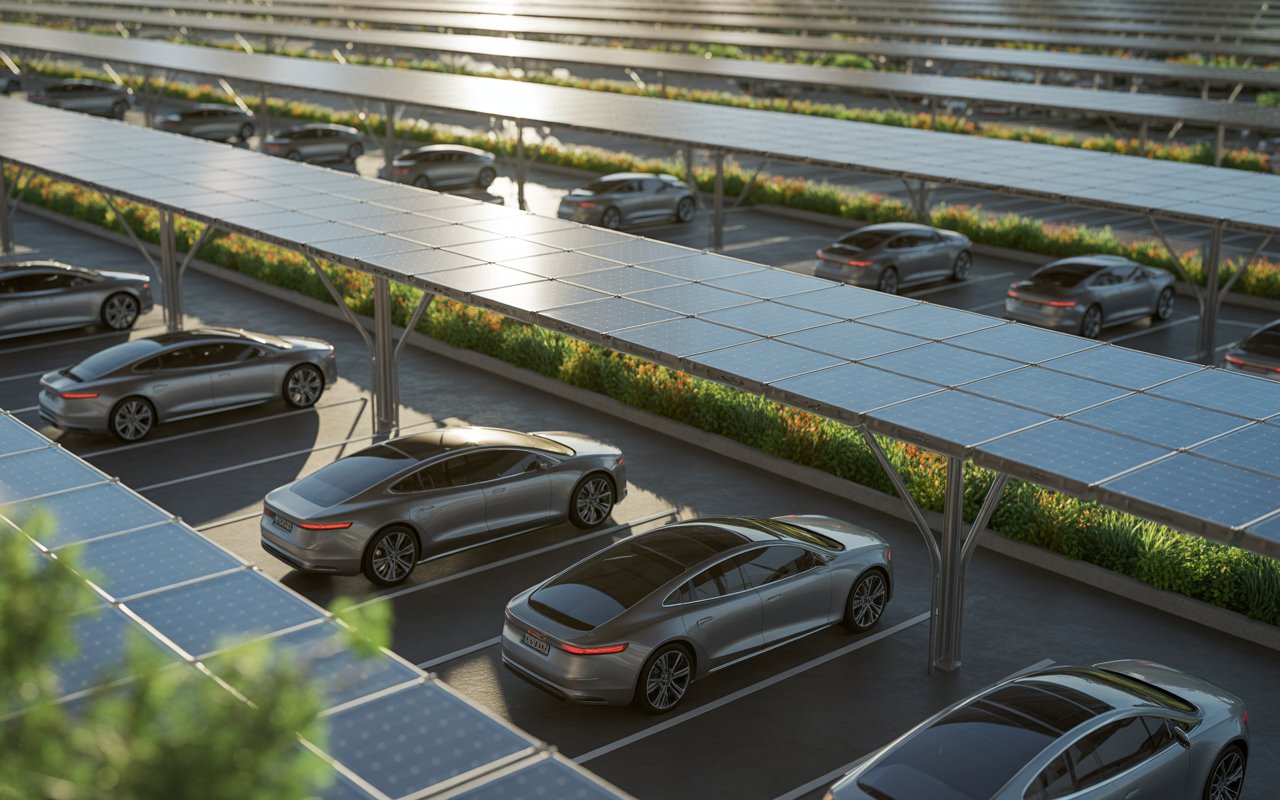
One of the most exciting uses of solar car parks is their connection with electric vehicles (EVs). Many of these car parks come equipped with charging stations powered directly by solar panels.
Imagine parking your car in the morning, spending a few hours shopping or working, and returning to find your vehicle charged with clean, renewable energy. That’s not science fiction—it’s already happening in many places.
The Challenges and Limitations
Of course, nothing is perfect, and solar car parks do face some hurdles:
-
High upfront costs: Installation can be expensive, especially for large-scale projects.
-
Space and design limitations: Not every car park has the right orientation or structure for solar canopies.
-
Weather dependency: Solar output naturally fluctuates with cloudy or rainy weather.
-
Maintenance requirements: Panels need to be kept clean for maximum efficiency.
Think of it like planting a fruit tree—you spend a lot at first, and you need the right conditions, but with care and patience, the rewards are plentiful.
Real-World Examples Around the Globe
Solar car parks aren’t just an idea on paper; they’re already part of real-world solutions:
-
United Kingdom: Many universities and hospitals have installed solar car parks to power their campuses.
-
United States: Shopping malls and airports in California and Arizona feature massive solar carport installations.
-
Australia: Supermarkets and local councils are leading the way with energy-generating parking lots.
-
India: Solar car parks are emerging in tech parks and corporate offices to tackle rising energy demand.
Each of these examples shows how adaptable the concept is, whether in a small community or a major city.
The Role in Sustainable Cities
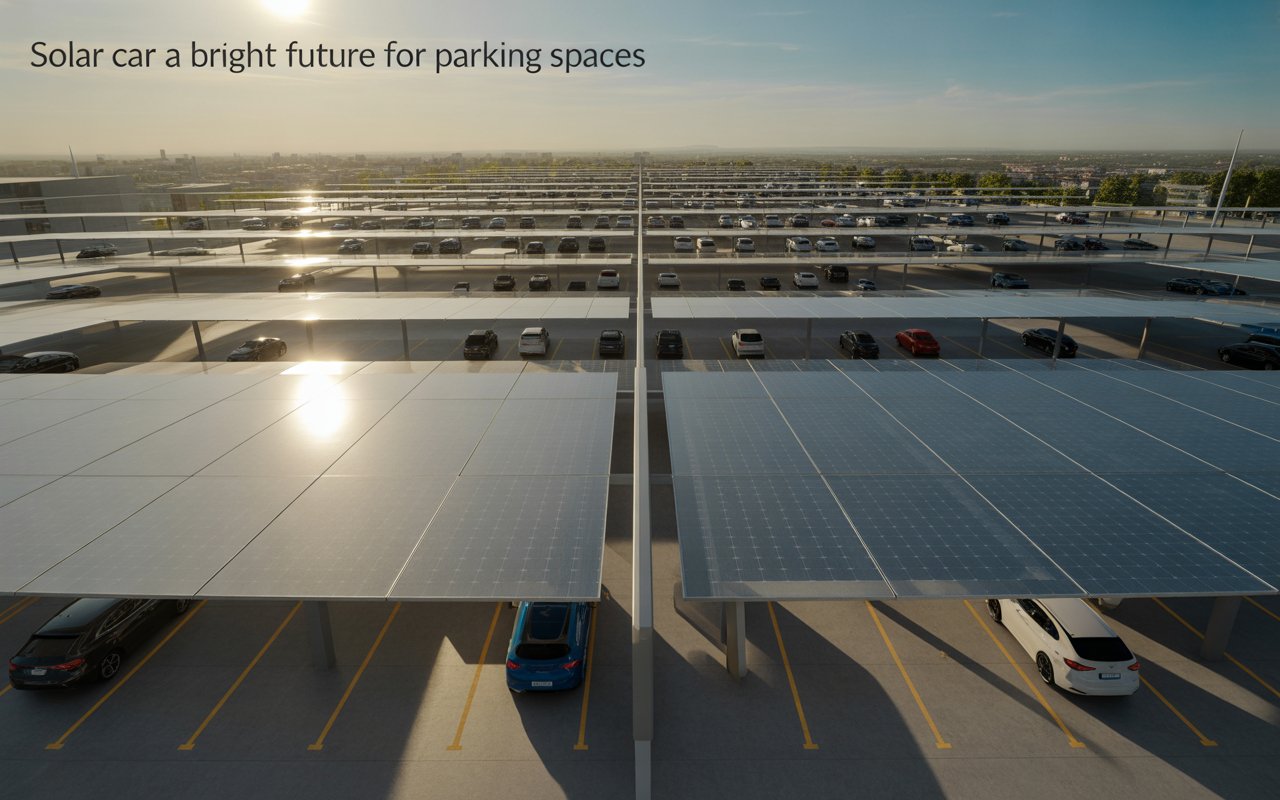
As urban populations grow, cities need smarter infrastructure to cope with rising energy demand and environmental challenges. Solar car parks fit perfectly into the vision of sustainable cities because they:
-
Optimize land usage.
-
Encourage clean transportation.
-
Improve resilience by reducing reliance on central grids.
-
Enhance the aesthetics of otherwise dull concrete parking areas.
In many ways, they are stepping stones toward greener, self-sufficient communities.
Costs and Investment: Is It Worth It?
The price of setting up a solar car park can differ greatly, shaped by factors like its scale, site conditions, and overall design. For a small business, the upfront price might feel overwhelming. However, when you consider the long-term energy savings, reduced electricity bills, and potential government incentives, it often becomes a worthwhile investment.
Many governments also offer grants, tax credits, or subsidies to encourage businesses and communities to adopt renewable solutions like this.
The Future of Solar Car Parks
Looking ahead, solar car parks are set to become even smarter. With advances in battery storage, AI-driven energy management, and integration with EV networks, the potential is enormous.
Soon, these spaces could function as mini power stations, feeding clean energy into neighborhoods and even supporting local grids during peak demand.Parking is no longer the end goal—it’s evolving into a way to generate power for the future
FAQs
1. How many years does it usually take for a solar car park to recover its investment?
Most installations achieve a return on investment within 6–10 years, depending on energy costs, system size, and available subsidies.
2. Can solar car parks work in cloudy or cold regions?
Yes. While sunny areas produce more energy, modern panels can still generate significant electricity in cloudy or cooler climates.
3. Do solar car parks require a lot of maintenance?
Not really. Regular cleaning of panels and periodic inspections are usually enough to keep them running efficiently.
4. Are solar car parks only for large businesses?
No. While many big companies lead the way, smaller businesses and even community projects are adopting them thanks to falling solar costs.
5. Can solar car parks charge electric cars directly?
Absolutely. Many are designed with built-in EV charging stations powered directly by the solar panels.
Conclusion
A solar car park is more than just a shaded space for your car. It’s a symbol of progress, innovation, and sustainability. By combining the practical need for parking with the urgent demand for clean energy, these structures demonstrate how everyday spaces can be transformed into climate-friendly assets.
From reducing carbon emissions to supporting electric vehicles, solar car parks show us what’s possible when we think creatively about the spaces we use daily. The future of parking isn’t just about where we leave our cars—it’s about how those spaces can give something back to the planet.