





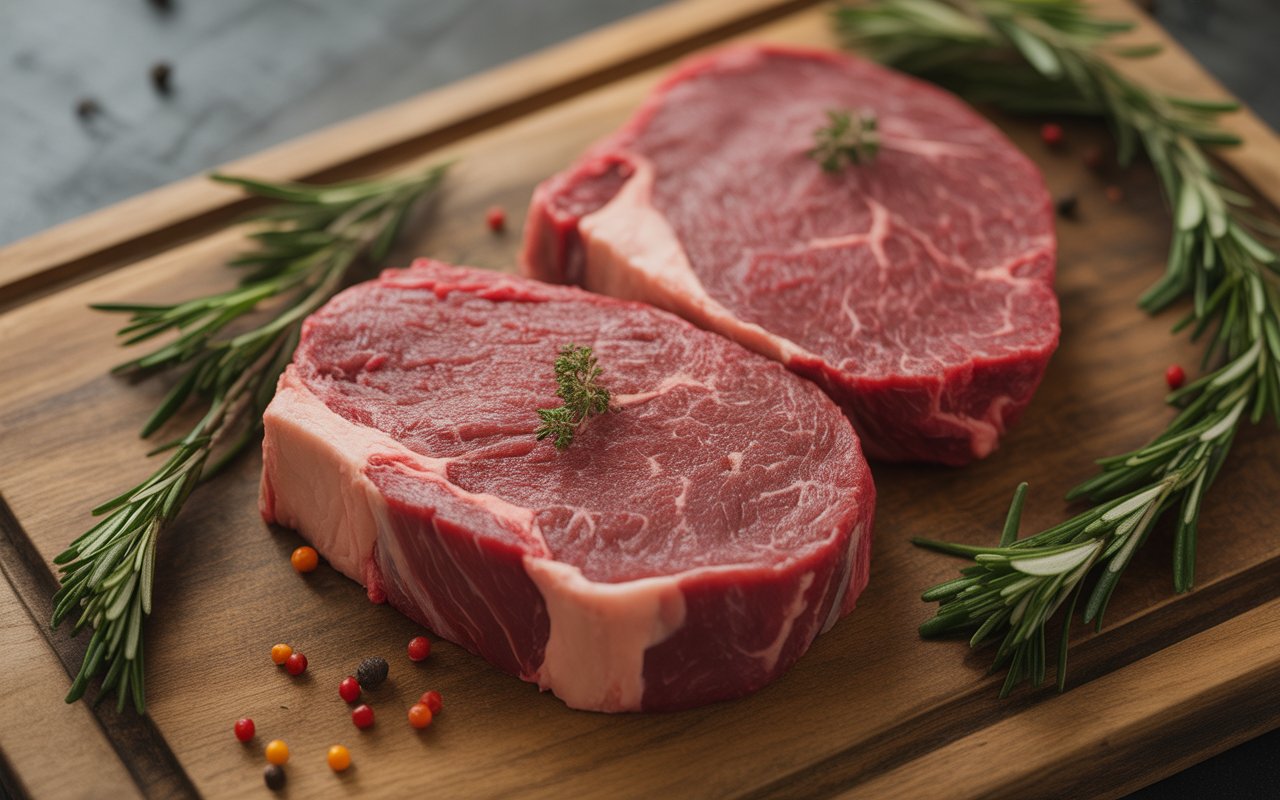

When most people head to the butcher or grocery store, they usually ask for well-known cuts like ribeye, sirloin, or brisket. But tucked away on the cow, there’s a flavorful, versatile section that rarely gets the spotlight—the beef short plate. If you’ve ever enjoyed juicy short ribs or tender slices of skirt steak, you’ve already had a taste of it.
In this guide, we’ll take a deep dive into what the short plate is, how it’s used, why it’s worth cooking with, and how you can make the most of it in your own kitchen.
What Is the Beef Short Plate?
The beef short plate sits just below the rib and beside the brisket, a flavorful section of the cow’s belly known for its rich marbling and hearty cuts. It’s located on the belly, just behind the front legs. Because this area works hard during the animal’s life, the meat tends to be tougher but packed with deep, rich flavors.
Cuts That Come From the Short Plate
Several popular and delicious cuts come from this primal section. Some of the most well-known include:
-
Short ribs – Meaty, flavorful bones that shine when slow-cooked.
-
Skirt steak – Thin, long strips of meat, perfect for quick grilling or stir-frying.
-
Hanger steak – Nicknamed the ‘butcher’s secret,’ this cut was so prized for its flavor that butchers often kept it off the shelves to enjoy themselves.
Each of these cuts has its own personality, but they share one thing in common: they love to be cooked with care.
Flavor Profile: Why People Love It
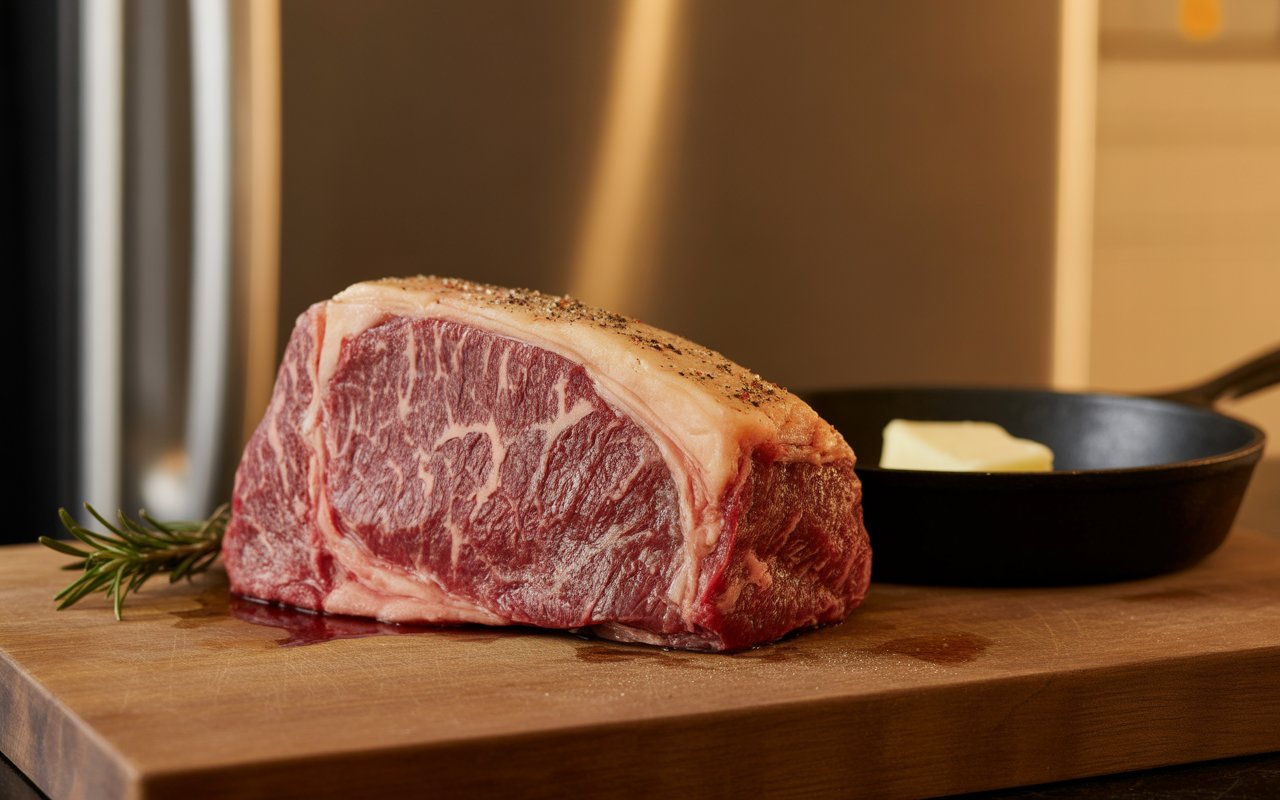
Think of the short plate as the bass guitar in a band—it may not always be front and center, but it provides depth and richness that make everything else sound (or in this case, taste) better. The meat is rich in marbling, meaning streaks of fat run through it, which melt during cooking and create that irresistible tenderness and juiciness.
How Short Plate Differs From Other Cuts
Unlike premium cuts like filet mignon, which are tender but mild in flavor, the short plate trades tenderness for intensity. You get robust, beefy notes that stand up to strong marinades, spices, and sauces. While it’s not a “grill it and eat it right away” cut in most cases, it rewards you with unmatched satisfaction when cooked correctly.
Cooking Methods That Work Best
Because the meat from the short plate is naturally tougher, it shines when given time, moisture, or high heat. Some cooking methods include:
-
Slow braising – Perfect for short ribs, where long, low heat breaks down connective tissue.
-
Grilling or searing – Best for skirt steak, where quick, high heat locks in flavor.
-
Smoking – Adds another layer of richness and tenderness over hours of gentle cooking.
If you think of cooking as storytelling, short plate cuts tell a tale of patience and reward.
The Role of Marinades and Seasonings
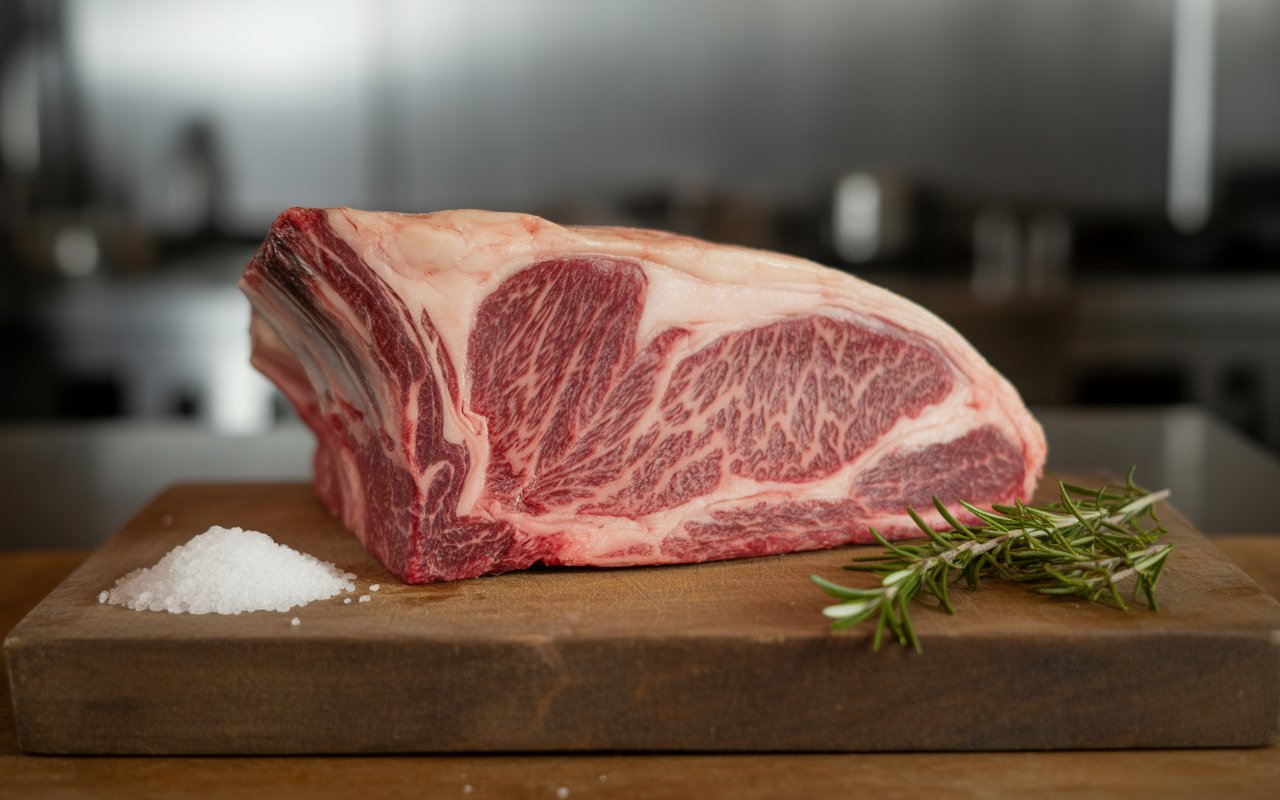
Short plate cuts, especially skirt steak, are famous for soaking up marinades. Acidic ingredients like lime juice, vinegar, or wine help tenderize the meat while herbs and spices add layers of flavor. A simple marinade can transform a humble cut into a restaurant-worthy dish.
International Dishes That Highlight Short Plate
Different cultures have embraced the short plate in their own unique ways:
-
Mexican cuisine – Skirt steak is the star of carne asada tacos.
-
Korean cuisine – Short ribs are used in galbi, often marinated in soy sauce, garlic, and sugar before being grilled.
-
American BBQ – Smoked beef ribs are a classic Southern comfort food.
This shows how versatile the short plate can be, adapting beautifully to global flavors.
Buying Tips: What to Look for at the Butcher
When shopping for short plate cuts, keep an eye out for:
-
Good marbling – More fat means more flavor.
-
Even thickness – Especially important for skirt steak to ensure even cooking.
-
Fresh color – Bright red meat signals freshness.
Don’t be afraid to ask your butcher for recommendations—they can often give tips on preparation too.
Cost and Value Compared to Other Cuts
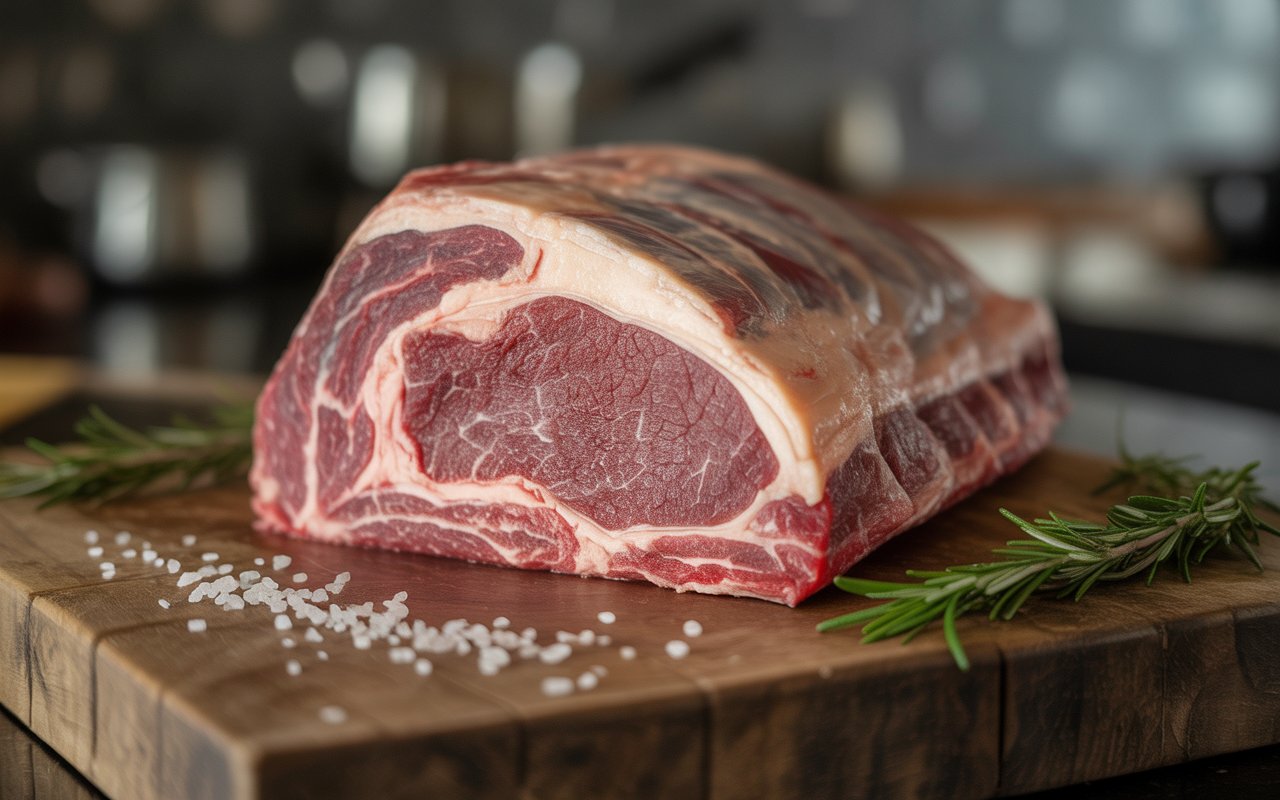
One of the best things about the short plate is that it usually costs less than prime cuts like ribeye or tenderloin. Yet, with the right cooking method, it delivers flavor that rivals or even surpasses them. It’s the kind of cut that proves you don’t need to spend a fortune to eat well.
Pairing With Sides and Drinks
Because short plate cuts are rich and hearty, they pair beautifully with lighter, refreshing sides. Think roasted vegetables, fresh salads, or creamy mashed potatoes. For drinks, a bold red wine or dark beer complements the depth of the meat perfectly.
Storing and Freezing Short Plate
If you’re not planning to cook right away, short plate cuts can be stored in the fridge for 3–5 days. For longer storage, wrap tightly and freeze. Skirt steak and ribs both freeze well and can last for months if stored properly without losing quality.
Health and Nutrition Benefits
While the short plate is higher in fat than leaner cuts, it also provides valuable protein, iron, zinc, and B vitamins. Enjoyed in reasonable portions, it can fit comfortably into a well-rounded diet. Think of it as a comfort food that also fuels your body.
Why You Should Give Beef Short Plate a Chance
Many home cooks overlook this cut because it doesn’t have the prestige of sirloin or ribeye. But that’s exactly what makes it exciting—it’s like discovering a hidden gem on the menu. Once you try it and see how versatile it is, you might find yourself reaching for it more often.
FAQs
1. Is beef short plate the same as brisket?
No, while they are close neighbors on the cow, brisket comes from the chest while the short plate is lower on the belly. They differ in texture and best cooking methods.
2. Can I grill beef short plate?
Yes! Cuts like skirt steak are fantastic on the grill, especially with a quick sear over high heat. Short ribs can also be grilled after being braised.
3. Is short plate meat expensive?
Generally, it’s more affordable than premium cuts, making it a great value for the flavor it provides.
4. How do I keep skirt steak from being tough?
Cook it quickly over high heat and always slice against the grain to make it tender.
5. What’s the best marinade for short plate cuts?
A mix of acidic ingredients (like lime or vinegar), oil, and bold spices works best. The acid helps tenderize while the spices add flavor.
Conclusion
The beef short plate may not always steal the spotlight, but it’s a cut with character, depth, and plenty of charm. From juicy short ribs to sizzling skirt steak, it offers a wide range of culinary possibilities that suit both casual weeknight dinners and special occasions. Next time you’re at the butcher, don’t pass it by—bring it home, cook it with care, and let its rich flavors surprise you.