




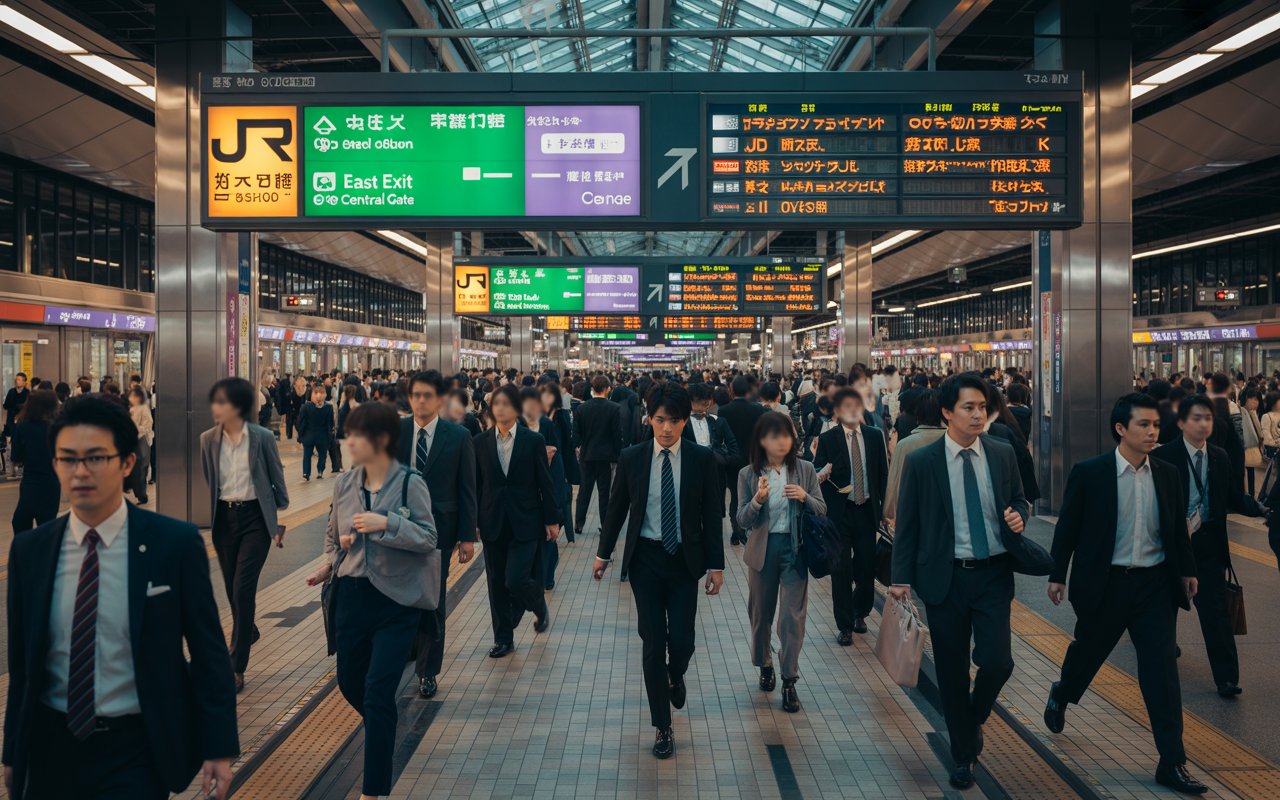

If you’ve ever wondered what it feels like to stand at the beating heart of Tokyo, Shinjuku Eki is that place. More than just a railway station, it’s a living, breathing city within a city. Millions pass through it daily—office workers, students, travelers, shoppers—each with their own destination and story. At first glance, it can feel overwhelming, almost like stepping into a giant maze. But once you understand how it works, Shinjuku Eki becomes fascinating rather than frightening.
This article takes you deep inside Shinjuku Eki, explaining its history, layout, daily life, nearby attractions, and why it holds such an important place in Japan. Think of it as a friendly guide holding your hand as you explore one of the busiest transport hubs on Earth.
What Is Shinjuku Eki and Why Is It So Famous?
Shinjuku Eki, known internationally as Shinjuku Station, is often described as the busiest railway station in the world. Every single day, several million people pass through its gates. That number alone explains why it’s famous, but there’s much more behind the reputation.
The station connects countless train lines, subway routes, and bus terminals. It links central Tokyo with outer neighborhoods and even nearby cities. For many people, it’s not just a stop—it’s part of daily life. Imagine a massive tree where every branch leads somewhere different; Shinjuku Eki is that tree, constantly moving and growing.
Its fame also comes from its size and complexity. With dozens of exits, underground paths, shopping areas, and offices, it feels less like a station and more like a small town.
A Brief History: From Local Stop to Global Icon
Shinjuku Eki didn’t always look the way it does today. It began as a modest railway stop in the late 19th century, serving a much smaller population. Back then, Shinjuku itself was not the bustling district it is now.
As Tokyo expanded, so did the station. New lines were added, platforms were extended, and underground passages were built. After World War II, the area around Shinjuku grew rapidly, transforming into a major commercial and entertainment center. The station expanded alongside it, layer by layer, like a book gaining new chapters over time.
Today, Shinjuku Eki stands as a symbol of Tokyo’s growth—proof of how a city can evolve while still keeping everything connected.
Understanding the Massive Layout Without Panic
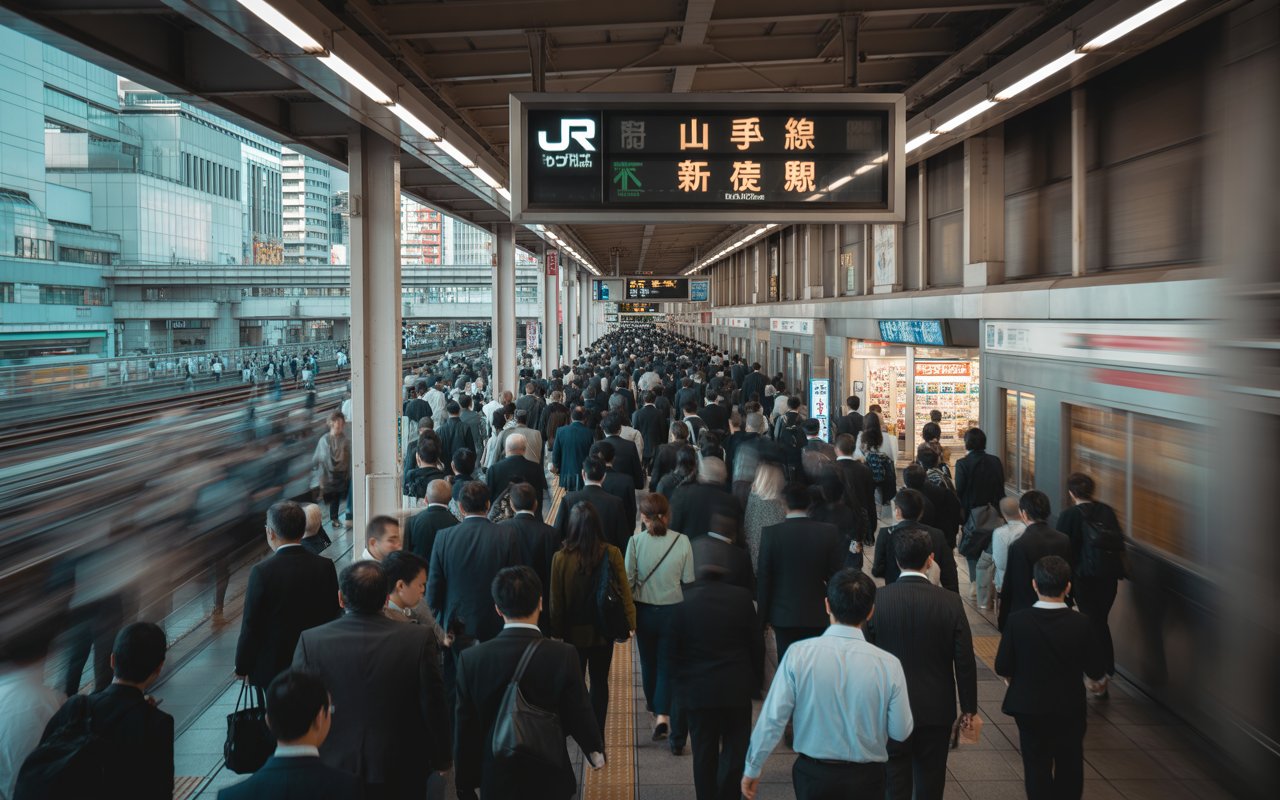
Let’s be honest—one look at a station map can make anyone nervous. The key to understanding Shinjuku Eki is to stop thinking of it as one single building. Instead, imagine it as several stations stitched together.
There are multiple railway companies operating under one roof. Each has its own platforms, ticket gates, and exits. On top of that, underground corridors connect shopping areas, office buildings, and neighboring districts.
The secret is simple: focus only on where you need to go. Don’t try to understand everything at once. Much like reading a long novel, you take it page by page, not all in one breath.
Train Lines That Keep Tokyo Moving
One reason Shinjuku Eki is so important is the number of train lines it serves. Local commuter trains, express services, and long-distance routes all pass through here. This makes it a major gateway for people traveling across Tokyo and beyond.
Because of this, Shinjuku Eki acts like a giant switchboard, directing the flow of people in every direction. Miss one connection, and another is usually just minutes away.
The Famous Exits: Why They Matter So Much
One unique feature of Shinjuku Eki is its many exits. Choosing the wrong one can easily add extra walking time to your journey. Each exit leads to a different part of the surrounding district, from business zones to shopping streets.
Some exits are underground, others open directly onto busy roads. Locals often memorize which exit to use for work or school. For visitors, signs in multiple languages help guide the way.
Think of the exits like doors in a huge house. They all lead outside, but each opens onto a different garden.
Daily Life Inside the Station
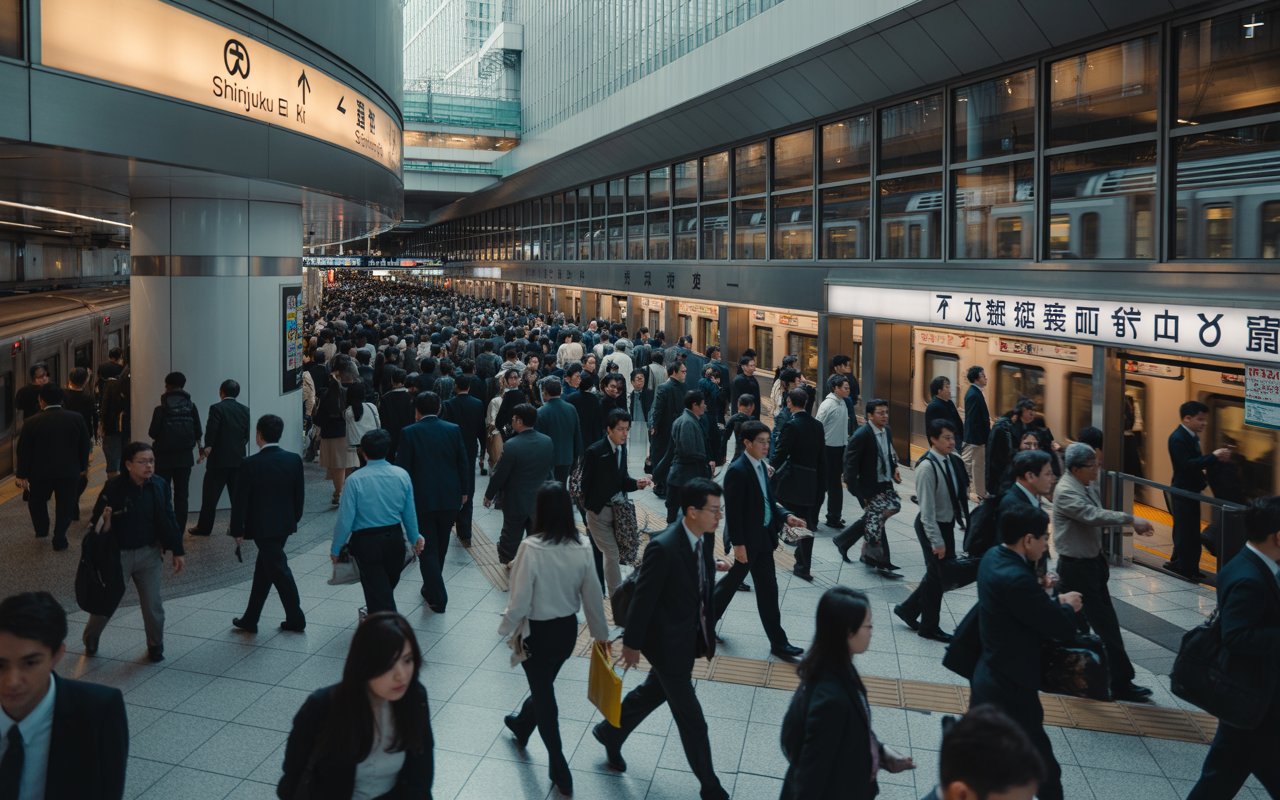
Spend a little time inside Shinjuku Eki, and you’ll notice a rhythm. Mornings are fast and focused, with commuters moving like clockwork. Evenings are livelier, filled with chatter, shopping bags, and friends meeting up.
There are convenience stores, bakeries, coffee spots, and restaurants tucked into every corner. Some people even schedule meals or quick shopping trips around their train rides.
For many Tokyo residents, Shinjuku Eki isn’t just a place you pass through—it’s a place where small moments of life happen every day.
Shopping and Dining Without Leaving the Station
One surprising thing about Shinjuku Eki is how much you can do without ever stepping outside. Entire shopping complexes are built into the station. You can buy clothes, books, souvenirs, and gifts all in one trip.
Food options range from quick snacks to full sit-down meals. Whether you want noodles, rice dishes, or something sweet, there’s always a place nearby. Some shops are designed for people in a hurry, while others invite you to sit and relax.
It’s like a marketplace hidden inside a transportation hub, blending movement with comfort.
Nearby Districts You Can Reach on Foot
Once you exit Shinjuku Eki, you’re immediately surrounded by energy. Skyscrapers rise in the business district, while entertainment areas buzz with lights and sound. Shopping streets, parks, and cultural spaces are all within walking distance.
One direction leads to offices and government buildings, another to nightlife and dining. There are quieter corners too, where you can escape the crowds and enjoy a slower pace.
This variety is part of what makes the station so special. It’s not just a stop—it’s a gateway to many different worlds.
Navigating Shinjuku Eki as a First-Time Visitor
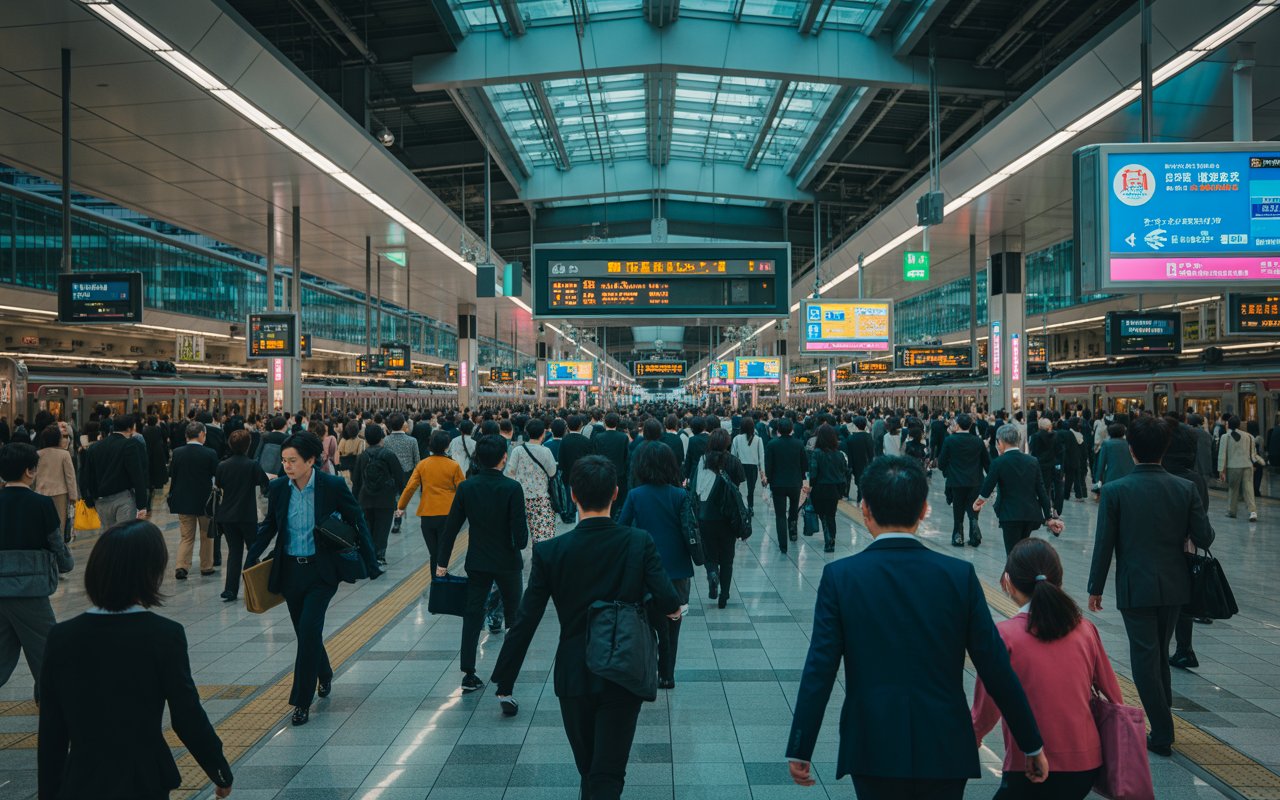
If it’s your first time, a little preparation goes a long way. Check signs carefully, follow color-coded paths, and don’t be afraid to ask for help. Station staff are used to guiding confused travelers and are generally very helpful.
Give yourself extra time, especially if you’re changing lines. Rushing only adds stress. Remember, even locals sometimes get turned around—it’s part of the experience.
Treat it like solving a puzzle rather than facing a problem. Once you reach your platform, the sense of achievement feels surprisingly good.
Cultural Meaning Beyond Transportation
Shinjuku Eki is more than steel, concrete, and tracks. It reflects Japanese values like efficiency, organization, and respect for shared space. Despite the crowds, movement is smooth, and chaos is rare.
It also appears frequently in films, novels, and television, often representing modern urban life. For many, it’s a symbol of opportunity—a place where paths cross and futures begin.
In this way, Shinjuku Eki is not just a station. It’s a stage where everyday life plays out, scene by scene.
Why Shinjuku Eki Leaves a Lasting Impression
People often remember their first visit vividly. The scale, the sound, the movement—it all leaves a mark. Yet with familiarity, what once felt overwhelming becomes strangely comforting.
Like a river that never stops flowing, Shinjuku Eki keeps moving no matter the time of day. And once you understand its rhythm, you realize it’s not as intimidating as it seems.
It’s simply Tokyo being Tokyo—busy, bold, and beautifully organized.
Conclusion: A Place Where Journeys Truly Begin
Shinjuku Eki stands at the crossroads of modern Japan. It connects people, places, and moments in ways few locations can. While it may seem complex at first, patience and curiosity turn it into an unforgettable experience.
Whether you pass through once or every day, Shinjuku Eki leaves an impression. It teaches you how movement, order, and life itself can coexist in one extraordinary space
Frequently Asked Questions (FAQs)
Why is Shinjuku Eki considered the busiest station in the world?
Because millions of passengers use it daily across multiple train and subway lines, making it unmatched in volume and activity.
Is Shinjuku Eki difficult for tourists to navigate?
It can feel confusing at first, but clear signs, maps, and helpful staff make it manageable with a little patience.
How many exits does Shinjuku Eki have?
There are dozens of exits, each leading to different districts, which is why knowing your exit matters so much.
Can you shop and eat inside Shinjuku Eki?
Yes, the station includes extensive shopping and dining areas, allowing visitors to eat and shop without leaving the building.
What makes Shinjuku Eki culturally important?
Beyond transportation, it represents modern urban life in Japan and plays a central role in daily routines, media, and city identity.