






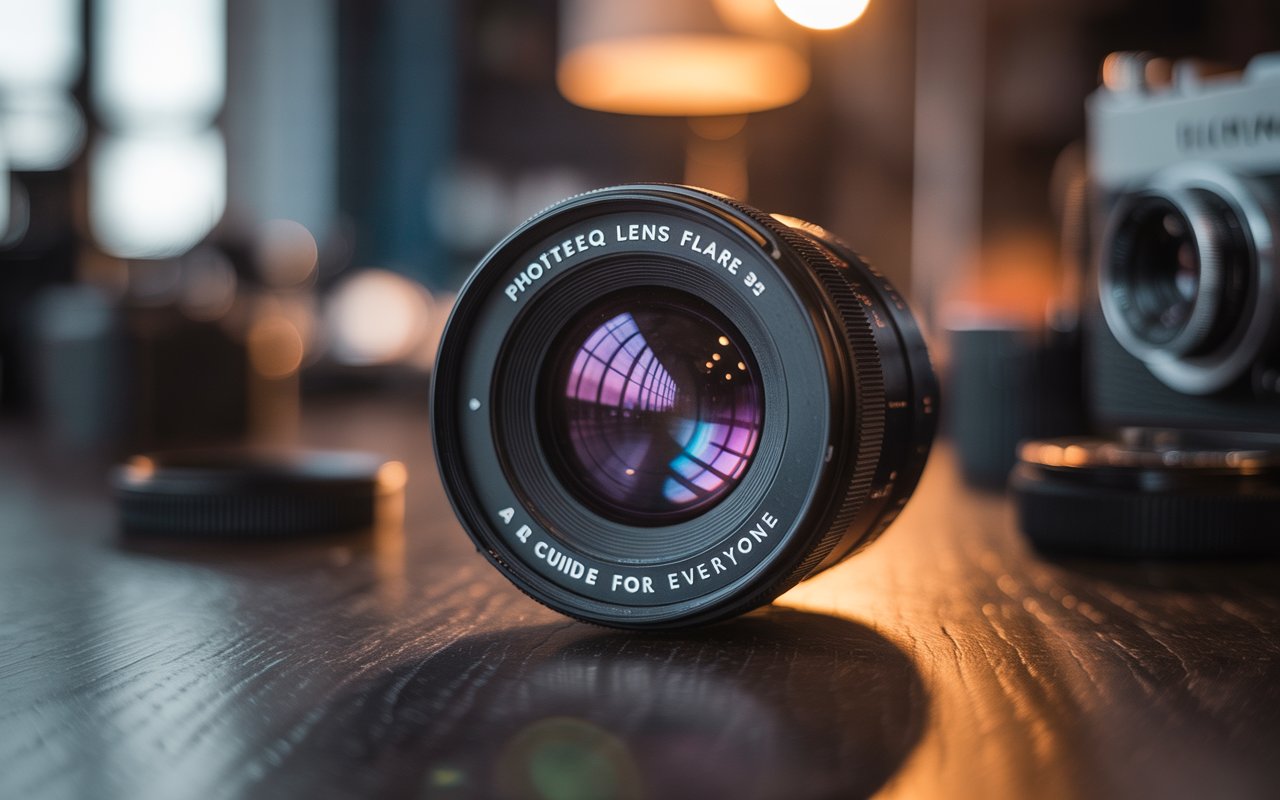
Photeeq lens flare may sound like a fancy photography term, but it’s simply that magical burst of light or colorful haze you sometimes see in photos and videos. In this article, we’ll explore what lens flare is, why it happens, and how creators use it to make visuals pop—all in a friendly, easy-to-follow way.
1. What Is Lens Flare?
Lens flare arises when intense light—such as sunlight or a powerful studio beam—enters the camera lens at a specific angle, scattering within the glass elements and creating visible light artifacts.Instead of bouncing cleanly off the sensor, light scatters inside the lens, creating stars, blooms, streaks, or orbs across your photo.
Think of it like sunlight sneaking through window blinds—those bands of light dance around the room, playful and unpredictable. Lens flare brings that sense of light wandering into your frame.
2. How Does Lens Flare Happen?
Inside your camera lens, light travels through multiple glass surfaces. When it hits these elements at certain angles, tiny reflections bounce around, scattering across your image sensor. This internal scattering of light produces the striking visual phenomenon known as lens flare.
A helpful metaphor: imagine a billiard ball bouncing off several walls before finally coming to rest. That’s similar to how light behaves inside a lens that hasn’t been treated to reduce reflections.
3. Types of Lens Flares
Lens flares appear in different ways, and here are the most common categories:
-
Specular Highlights: Bright points or streaks, like streaky sunrays passing through a narrow gap.
-
Artifacts or Ghosting: Rings or dots from bright lights bouncing around—like little floating moons.
-
Veiling Glare: A washed-out haze that lowers contrast and dulls color, as if someone misted a window glass.
Each look suits different creative aims.
4. The Aesthetic Appeal
Why do people love lens flare? Why do filmmakers and photographers chase it?
Well, it adds:
-
Dreaminess: Soft, whimsical vibes—think fairytale mornings or nostalgic sunsets.
-
Atmosphere: Warmth, tension, or cinematic style—often used in music videos or dramatic scenes.
-
Mood Amplification: It can signal heat, brilliance, or raw power—especially in outdoor shoots.
Lens flare is like the seasoning that turns a simple dish into something memorable.
5. When Lens Flare Gets Messy
Like salt in a stew, lens flare is great in moderation. But too much? It can ruin a photo by washing out detail or distracting from your subject.
-
Overexposure: Too much light can blow out important parts of your image.
-
Blur and Loss: Flare can soften edges, making faces or objects less sharp.
-
Color Irrelevance: Weird color tints or shapes might not match your scene’s mood.
The key is to use flare with subtlety—hinting at light without letting it dominate the entire image.
6. Using Lens Flare in Photos

Creative photographers use it in many ways:
-
Backlighting: Position the sun behind your subject and shoot at an angle for a halo effect.
-
Filter Use: Lens filters or prisms can create rainbow-like flares for unique looks.
-
Post‑Processing: Software like Lightroom or Photoshop offers flare overlays you can fine-tune.
The goal? Master the angle and brightness of light to weave lens flare naturally into your composition.
7. Applying Lens Flare in Video
Videographers often use lens flare to boost cinematic quality:
-
Natural Flare: Shooting into the sun for golden-hour romance or thriller tension.
-
Digital Overlays: Tools like Final Cut Pro and Premiere Pro include optical flare effects you can layer in.
-
Animated Flares: Tracking light bursts across the frame to emphasize movement or energy.
Adding flare in post lets you choose timing and brightness with precision.
8. Tools for Adding It (Like Photeeq?)
Photeeq lens flare might be a plug‑in or filter creators mention when talking about quick, stylized flares. While I couldn’t find a universal “Photeeq” brand, many editing platforms offer flare tools under names like:
-
Optical Flares (by Video Copilot for After Effects)
-
Lens Flare Studio (an app for mobile edits)
-
Lightroom Flare Presets
These tools give you sliders for elements like glow radius, streak count, and color tint—all without the guesswork of manual techniques.
9. Lens Care Tips to Control Flare

Believe it or not, keeping your lens clean is the first step in managing flare:
-
Clean the Lens: Dust or fingerprints scatter light more easily.
-
Use a Hood: A lens hood blocks stray light from sneaking in.
-
Choose Quality Glass: Higher-end lenses offer better anti-reflective coatings.
Simple maintenance helps you achieve crisp images—flare when you want it, clarity when you don’t.
10. Creative Ideas to Try
Looking for inspiration? Here are some fun flare-driven photo ideas:
-
Golden Halo: Capture sun peeking behind someone’s head for a glowing portrait.
-
Street Glow: Shoot city lights at night and let flare streak across wet pavement.
-
Product Pop: Use flare to spotlight a gadget or perfume bottle in an ad-style shot.
-
Whimsical Bokeh: Introduce flare near light sources to give fairy-tale sparkle in the background.
Nobody says flare has to be perfect—its playful unpredictability is part of the charm.
11. Common Mistakes to Avoid
To keep your flare photos from falling flat, watch out for these pitfalls:
-
Center-Bright Light: Placing the flare right over your subject often hides key features.
-
Uncontrolled Brightness: Letting timestamps or UI elements soak up most of the light can look amateur.
-
Mismatch with Scene Mood: A cold, clinical scene rarely benefits from warm, dreamy flare.
-
Ignoring Focus: Make sure your main subject stays sharp even when flare enters the frame.
It’s all about taste, timing, and balancing the light.
12. Balancing Authenticity and Flair
The best visuals feel real. So whether snapping a sunrise or editing a promo video, consider:
-
Does the flare serve your story—intensifying emotion or atmosphere?
-
Is it true to life, or does it feel forced or out of place?
-
Can you control it visually, adjusting brightness and placement so it guides, not distracts?
When lens flare aligns with your story, it transforms into a subtle touch of visual enchantment.
Frequently Asked Questions (FAQs)
1. What exactly causes lens flare in my camera?
Lens flare happens when bright light scatters inside the lens due to reflections between glass elements, producing streaks or haze in your image.
2. How can I prevent unwanted flare during a shoot?
Use a clean lens, a lens hood, and avoid pointing directly at bright light sources. Adjust your angle slightly to reduce unwanted light scattering.
3. Can I add lens flare during photo or video editing?
Absolutely! Editing tools and plug‑ins like Optical Flares, Lightroom presets, and mobile apps let you add and customize flare after shooting.
4. Is it better to use natural or digital lens flare?
Both have their place. Natural flare feels raw and atmospheric, while digital flare offers precise control. When lens flare aligns with your story, it transforms into a subtle touch of visual enchantment.
5. Does lens flare reduce image quality?
It can—flare might wash out colors, lower contrast, or soften edges. That’s why careful balance and moderation are key to keeping your visuals sharp and engaging.
Conclusion
Lens flare, including popular filters or plug‑ins like those hinted at by “Photeeq,” is a creative burst of light that can enrich everyday photos and cinematic scenes alike. Whether captured naturally or added in editing, flare offers mood, drama, and whimsy—when used with taste and care.
Remember—from cleaning your lens to choosing the right app—every step matters. Let your visuals shine, not blind.