




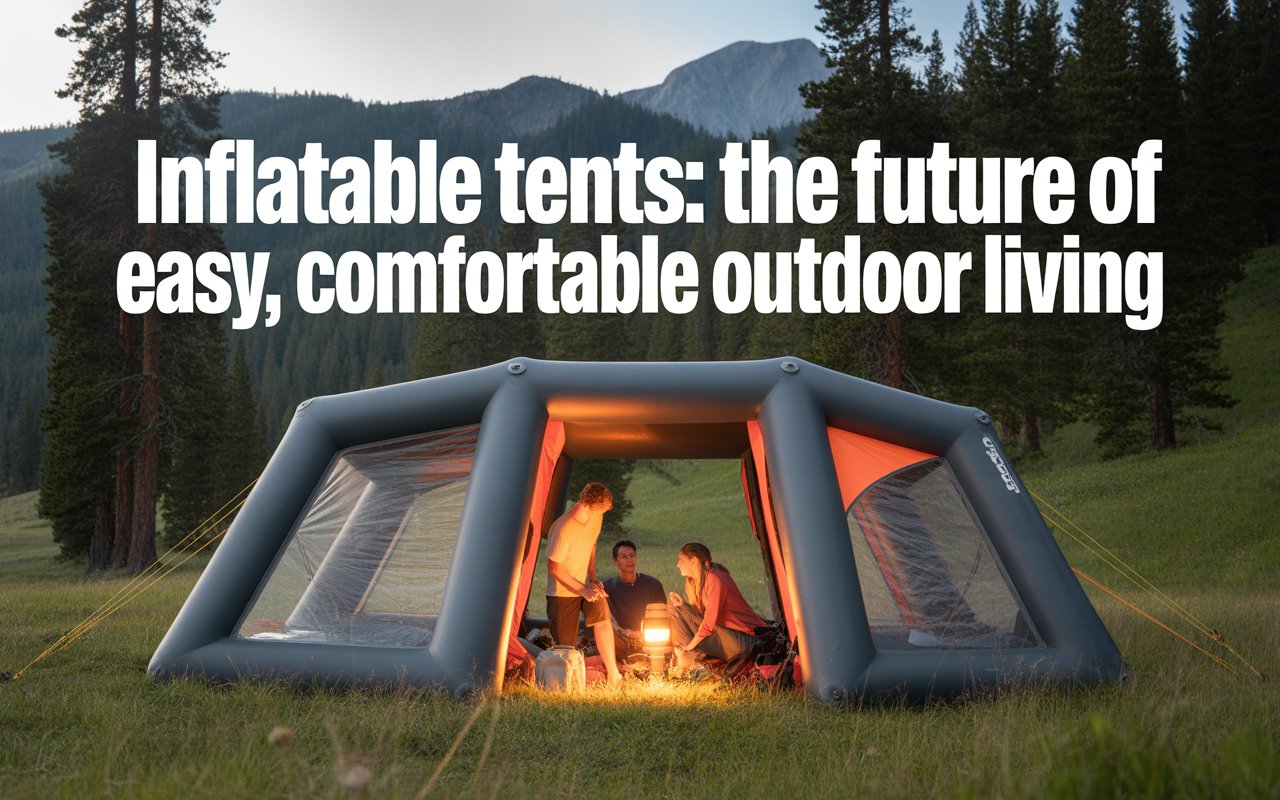

Camping, festivals, and outdoor adventures have always come with one major challenge: setting up a tent. If you’ve ever wrestled with poles, pegs, and tangled fabric under the sun or in the rain, you know the struggle is real. But what if pitching a tent could be as easy as inflating a balloon? That’s where inflatable tents come into play, transforming how we experience the outdoors. Let’s dive into what makes these tents a game-changer for casual campers and adventure enthusiasts alike.
What is an Inflatable Tent?
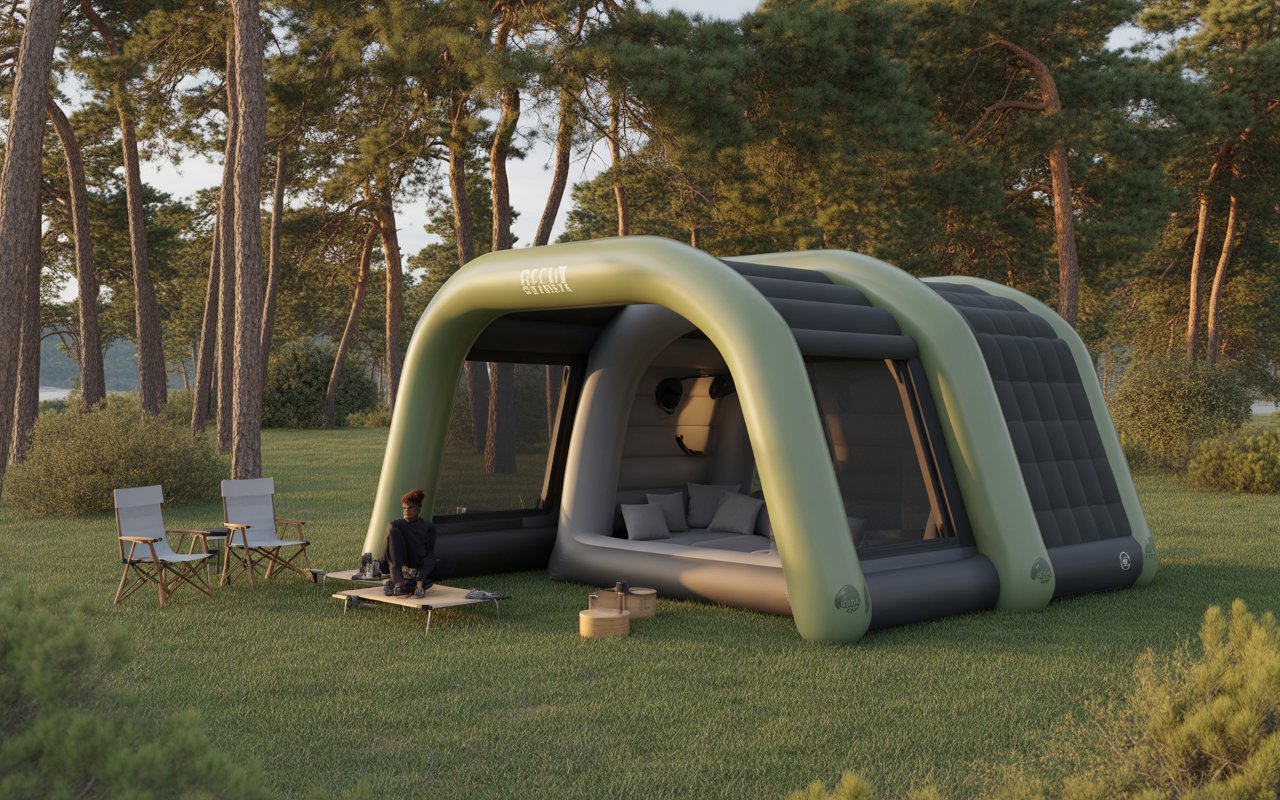
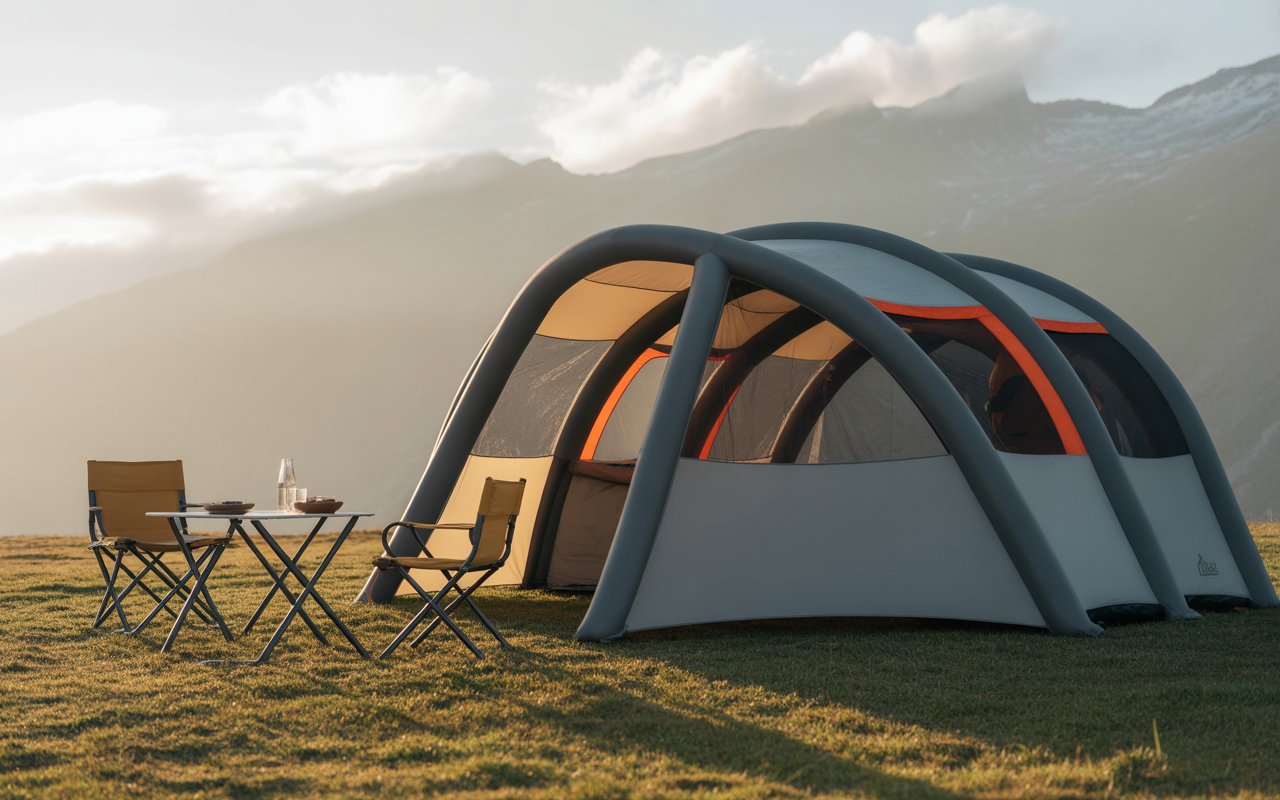
Inflatable tents, also known as air tents or blow-up tents, use air beams instead of traditional poles to hold their structure. Imagine swapping rigid, cumbersome poles for flexible tubes that you simply pump up. This design innovation not only simplifies setup but also adds a modern twist to camping gear.
Unlike conventional tents, these tents rely on air pressure to maintain shape. That means if you have a portable air pump, you can have your tent ready in minutes. It’s as close as you can get to “instant camping” without sacrificing durability or comfort.
How Inflatable Tents Work
The science behind air beams is surprisingly simple. The tent comes with tubes made of strong, airtight material. You connect these tubes to a pump, inflate them, and voilà—the tent stands tall. The air inside acts like a flexible skeleton, providing stability and strength.
Some tents use manual pumps, while others come with electric pumps for convenience. The beauty of this system is that if a beam loses air, you can quickly reinflate it without disassembling the entire structure. Think of it as the difference between repairing a flat tire versus rebuilding a car—much simpler and faster.
Benefits of Inflatable Tents
1. Quick and Easy Setup
One of the biggest advantages is speed. Traditional tents can take 20–30 minutes—or more—to set up, especially for beginners. Inflatable tents often go up in less than 10 minutes. This is a huge relief when the weather turns, or if you arrive at your campsite late in the day.
2. Stability in Windy Conditions
Air beams flex with the wind rather than resisting it rigidly, making them surprisingly stable. Some inflatable tents are designed to withstand strong gusts that would snap conventional poles. In essence, they bend, not break, which makes them more resilient.
3. Lightweight and Portable
Because you don’t need heavy poles, these tents tend to be lighter and easier to carry. Many models pack down into a compact bag, perfect for hiking, beach trips, or festival camping. It’s the camping equivalent of swapping a bulky suitcase for a sleek backpack.
4. Spacious Interiors
Air beams allow designers to maximize space without adding weight. Many inflatable tents feature higher ceilings, wider floors, and more headroom than traditional tents, making movement inside much more comfortable. You can even stand upright in some models—an unusual luxury in tent life.
5. Modern Features and Comfort
Today’s inflatable tents often come with extra amenities like multiple rooms, built-in lighting, and waterproof floors. Some even have mesh panels for ventilation, keeping insects out while letting the breeze in.You no longer have to choose between comfort and convenience—now you can enjoy both without compromise.
Types of Inflatable Tents
Inflatable tents are available in a wide range of styles, each crafted to match different camping preferences and lifestyles.
-
Dome-style tents: Compact, easy to carry, ideal for quick camping trips.
-
Tunnel tents: Elongated, providing more interior space and multiple rooms.
-
Family tents: Large, multi-room tents perfect for group camping.
-
Festival tents: Lightweight, fast to set up, and colorful for social events.
Each type has its own strengths, but the core idea remains the same: air beams replace poles for fast, reliable setup.
Materials and Durability
The quality of an inflatable tent depends heavily on its materials. Most tents use durable polyester or nylon for the fabric, often coated with waterproof layers. The air beams are typically made from PVC or TPU, which are resistant to punctures and leaks.
A good analogy is thinking of the beams like inflatable kayaks: tough, flexible, and able to handle pressure. With proper care, inflatable tents can last many seasons, just like a traditional tent.
Inflatable Tents vs. Traditional Tents
Ease of Use
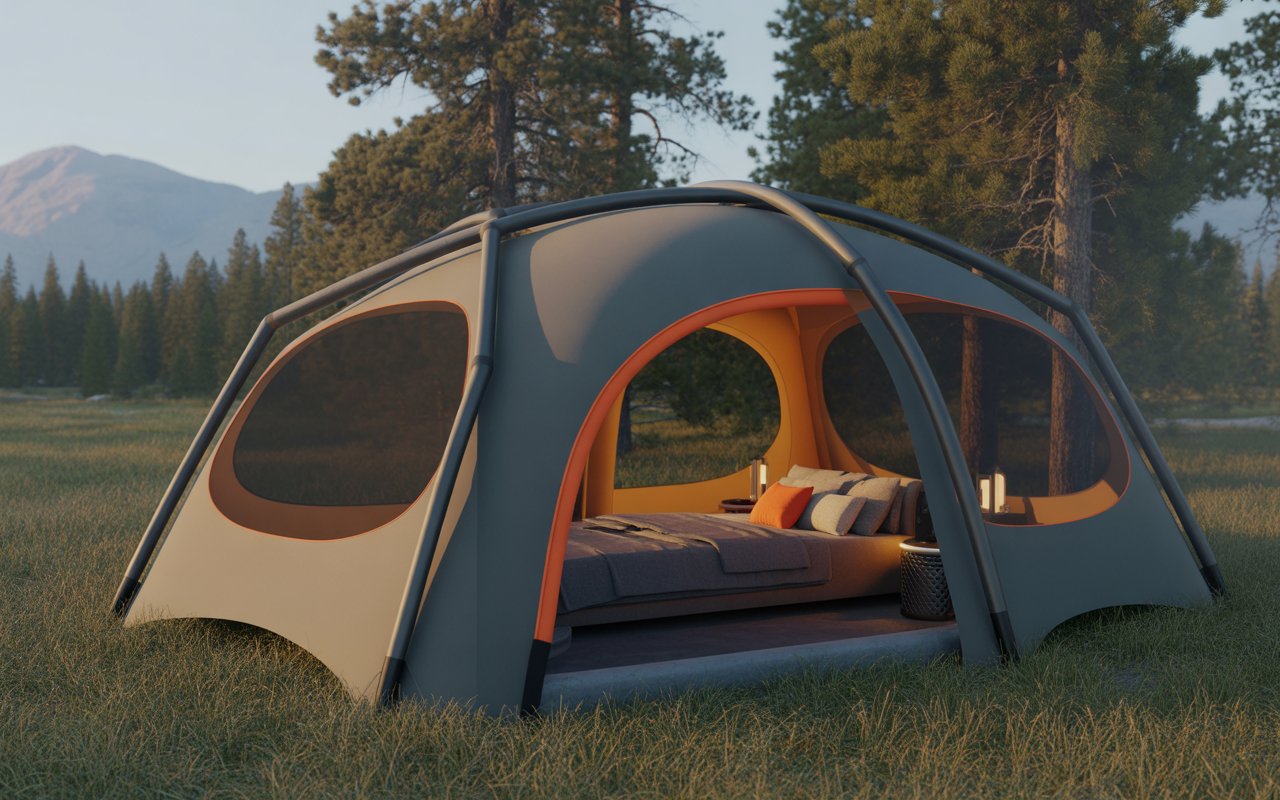
Traditional tents require poles, clips, and sometimes a lot of trial and error. Inflatable tents can be up in minutes with minimal effort.
Weight and Portability
While ultralight tents may be lighter, the convenience of an inflatable tent’s quick setup often outweighs the slightly higher weight for many casual campers.
Cost Comparison
Inflatable tents tend to be more expensive upfront, but their durability and convenience can justify the investment, especially for families or frequent festival-goers.
Weather Resistance
Air-beam tents can handle wind better due to their flexible structure, but extreme cold or heavy snow may still require traditional poles. In the end, choosing the perfect tent simply comes down to matching it with the conditions you’ll be facing outdoors.
Tips for Choosing the Right Inflatable Tent
When picking your perfect air tent, consider these factors:
-
Size: How many people will be using it? Do you want extra space for gear?
-
Weight: Will you be carrying it long distances?
-
Weather rating: Check if it can withstand rain, wind, or sun exposure.
-
Setup method: Manual or electric pump—what suits your camping style?
-
Durability: Look for reinforced seams and puncture-resistant beams.
Think of it like buying a car: size, performance, and features should match your needs.
Setting Up and Maintaining Your Inflatable Tent
Step-by-Step Setup
-
Lay out the tent: Choose a flat area.
-
Unfold and spread: Position the tent fabric evenly.
-
Attach the pump: Connect air tubes to the pump inlet.
-
Inflate: Watch the tent take shape within minutes.
-
Secure with pegs: Even though air beams hold the structure, pegging it down adds extra stability.
Maintenance Tips
-
Avoid sharp objects under the tent.
-
Keep the beams clean and dry before storage.
-
-
Keep it tucked away in a cool, dry spot to avoid mold and keep the materials in top shape.
Following these simple tips ensures your tent stays reliable season after season.
Common Uses of Inflatable Tents
-
Family camping trips: Quick setup allows more time for fun.
-
Music festivals: Set up and take down in minutes—no sweat.
-
Beach outings: Lightweight design makes transport easy.
-
Emergency shelters: Air tents are useful in temporary or disaster situations.
-
Outdoor events: Parties, fairs, or pop-up markets benefit from portable, spacious structures.
In short, inflatable tents fit any situation where speed, convenience, and comfort matter.
Pros and Cons
Pros
-
Fast and easy setup
-
Flexible and wind-resistant
-
Lightweight and portable
-
Spacious and comfortable
-
Modern features and designs
Cons
-
Slightly higher initial cost
-
Needs careful handling to avoid punctures
-
Some models rely on electricity for pumps
-
Extreme weather may require additional precautions
Despite minor drawbacks, the benefits often outweigh the limitations for casual and frequent campers.
The Future of Inflatable Tents
The world of camping gear is evolving, and inflatable tents are leading the charge. Expect smarter, more sustainable materials, integrated solar lighting, and even tents that self-inflate with automated pumps. Imagine arriving at your campsite, pressing a button, and your tent sets itself up while you relax—a little like magic.
With innovation on the rise, inflatable tents may soon become the default choice for outdoor living, much like smartphones replaced old flip phones.
Conclusion
Inflatable tents are changing the way we experience the outdoors. They offer speed, convenience, comfort, and style—all wrapped into one portable package. Whether you’re a weekend camper, festival-goer, or family adventurer, these tents simplify setup without compromising durability. With their growing popularity, investing in an air-beam tent might just make your next outdoor experience smoother, easier, and more enjoyable.
Camping doesn’t have to be a wrestling match with poles anymore. Sometimes, all it takes is a pump, a little air, and the promise of an effortless outdoor adventure.
FAQs About Inflatable Tents
1. Are inflatable tents durable?
Yes, high-quality inflatable tents use reinforced materials and air beams that are resistant to punctures, providing long-lasting durability when properly maintained.
2. Can inflatable tents handle strong winds?
Yes, their flexible air-beam structure can bend with the wind, often making them more stable than traditional pole tents in gusty conditions.
3. How do you repair a punctured inflatable tent?
Most tents come with a patch kit. You simply deflate the beam, apply the patch to the leak, and reinflate. Quick and easy repairs are possible.
4. Do inflatable tents require electricity?
Not necessarily. Some models use manual pumps, while others have electric pumps for convenience. Manual options are perfect for remote camping.
5. How long does it take to set up an inflatable tent?
Most inflatable tents can be set up in 5–10 minutes, depending on the size and whether you’re using a manual or electric pump.