





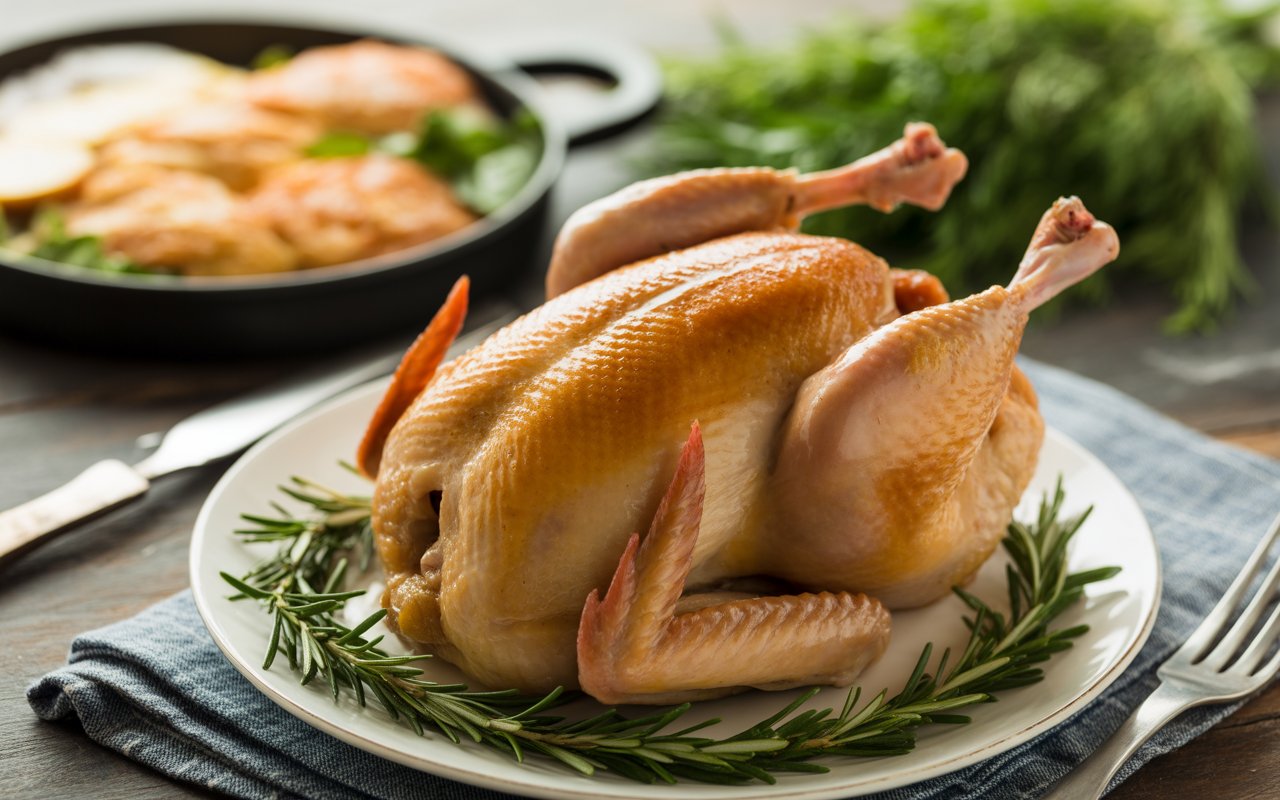

If you’ve ever spotted one of these petite birds in the grocery store and wondered, “What on earth do I do with that?”—you’re not alone. At first glance, it looks like a tiny chicken wearing a fancy outfit. But once you get to know it, you’ll realize it’s more like a compact sports car: small body, powerful performance, and surprisingly versatile. Whether you’re cornish hen cooking for a quiet dinner or planning a special meal that looks complicated without actually being hard, this little bird can be your secret weapon.
Think of this guide as your helpful cooking buddy, right beside you in the kitchen. We’ll talk about what it is, where it came from, how to cook it, and how to make it shine at your table—without using chef-speak or fancy jargon. Just real talk, simple ideas, and plenty of practical tips.
What Exactly Is a Cornish Hen?
Let’s clear one thing up right away: this is not a baby chicken. It’s a specific type of bird bred to be small and tender, usually weighing around one to two pounds. That makes it the perfect size for one person—or a cozy dinner for two if you share.
Why it feels special:
Because it comes as a whole bird, it has that “grand dinner” vibe, yet it’s no harder to cook than a large piece of meat. It gives you all the drama of serving a roast without the stress of managing a huge one.
How it tastes:
Mild, juicy, and slightly richer than regular chicken. The smaller size means it cooks evenly, so you’re more likely to get tender meat without dry patches.
A Brief History You’ll Actually Enjoy
These birds didn’t just pop into the world randomly. They were developed in the mid-20th century through selective breeding to create something small, tender, and quick to grow.
What’s interesting is their journey from oddity to dinner-table star. In the early days, they were sold mostly to people who wanted something “different.” Over time, their reputation grew as more cooks realized how easy and elegant they were to prepare. Today, they’re a quiet classic—never trending wildly, but always reliable when you want something that feels a bit special.
Why People Love Cooking Them
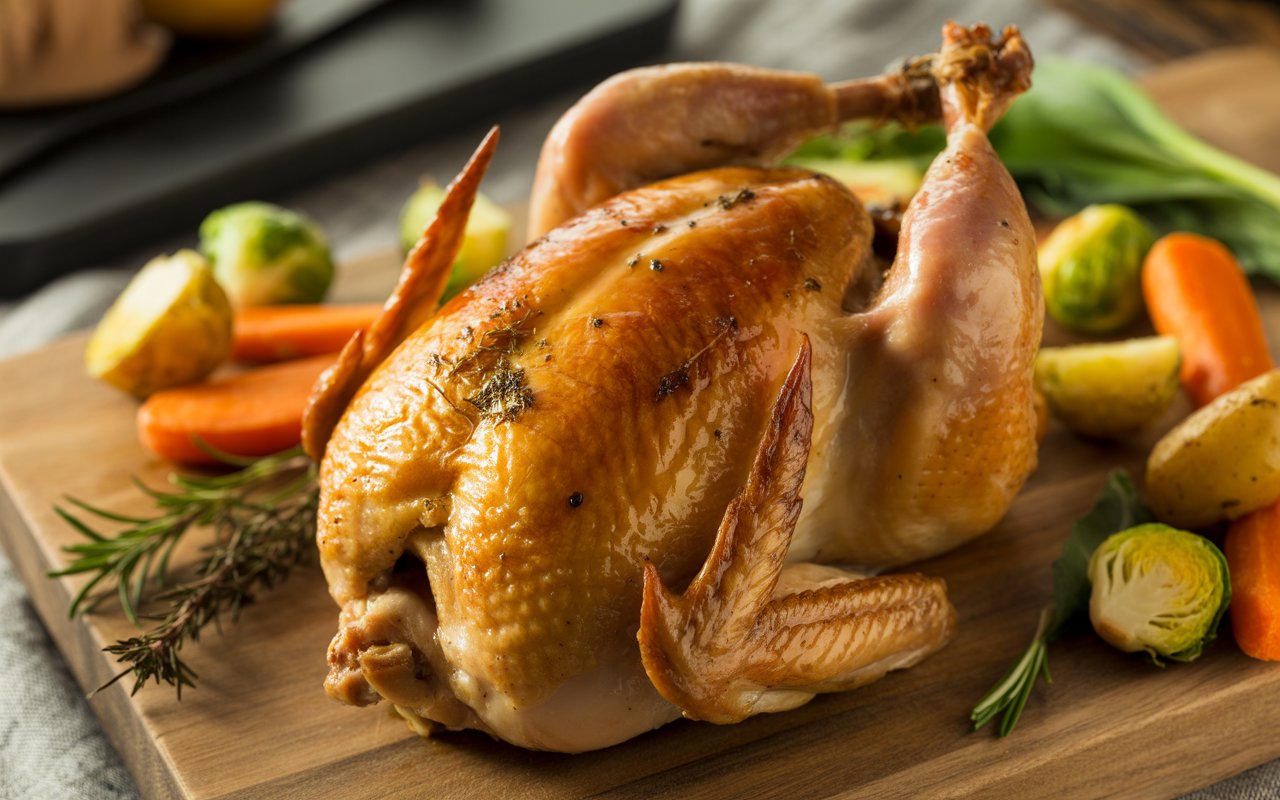
Let’s be honest—we all want meals that look impressive without sending us into a kitchen meltdown.
Here’s why many home cooks love serving this bird:
-
Perfect portion size: No carving stress. One bird equals one serving.
-
Fast cooking: Smaller body, shorter oven time.
-
Presentation: Everyone gets their own mini roast. That’s always a win.
-
Flavor absorption: Herbs, spices, and marinades soak in beautifully.
It’s like giving your guests an individual gift—wrapped in crispy skin.
Choosing the Best One at the Store
Not all birds are created equal. Picking a good one is like picking good fruit: use your senses and a little logic.
What to look for:
-
Firm flesh: Gently press through the packaging.
-
Clean skin: No strange colors or spots.
-
Fresh smell: If you can smell it through the package and it’s unpleasant—walk away.
Frozen or fresh?
Both are fine. Frozen just needs extra planning for thawing. Fresh is great if you’re cooking the same day.
Prepping Made Simple (No Stress Involved)
Before you cook, you need to prep. This is where confidence matters more than perfection.
Thawing safely:
Put it in the fridge a day ahead. Never thaw on the counter like it’s 1992.
Rinsing—yes or no?
No need. Washing raw poultry can spread bacteria. Pat it dry instead.
Seasoning:
Salt, pepper, a drizzle of oil, and a sprinkle of herbs already do wonders. Don’t overthink it.
Tip: Dry skin equals crispy skin. Always pat it dry before seasoning.
Cooking Methods That Never Fail
The beauty of this bird is that it works with nearly any cooking method.
Roasting
Classic and reliable. Put it in the oven at high heat until golden and juicy.
Grilling
For smoky flavor and crispy skin. Perfect for summer meals.
Slow cooking
Want melt-in-your-mouth tenderness? Let time do the work.
Air frying
Fast, crispy, and ideal for small kitchens.
Each method does the same thing differently—like painting the same picture with a new brush.
Flavor Ideas You’ll Want to Steal
Once you’re comfortable, experiment! This bird is a blank canvas.
Herb and garlic
Simple but powerful.
Lemon and thyme
Fresh and bright.
Honey and mustard
Sweet meets tang.
Paprika and cayenne
For those who like a kick.
Think of seasoning like dressing an outfit: even something plain can look amazing with the right accessories.
Serving Ideas That Feel Fancy (But Aren’t)
Plating can turn an average dinner into something memorable.
Easy sides:
-
Roasted vegetables
-
Buttered rice
-
Mashed potatoes
-
Simple salad
Place the bird at the center, spoon juices on top, and you’ve got restaurant vibes at home.
Is It Actually Healthy?
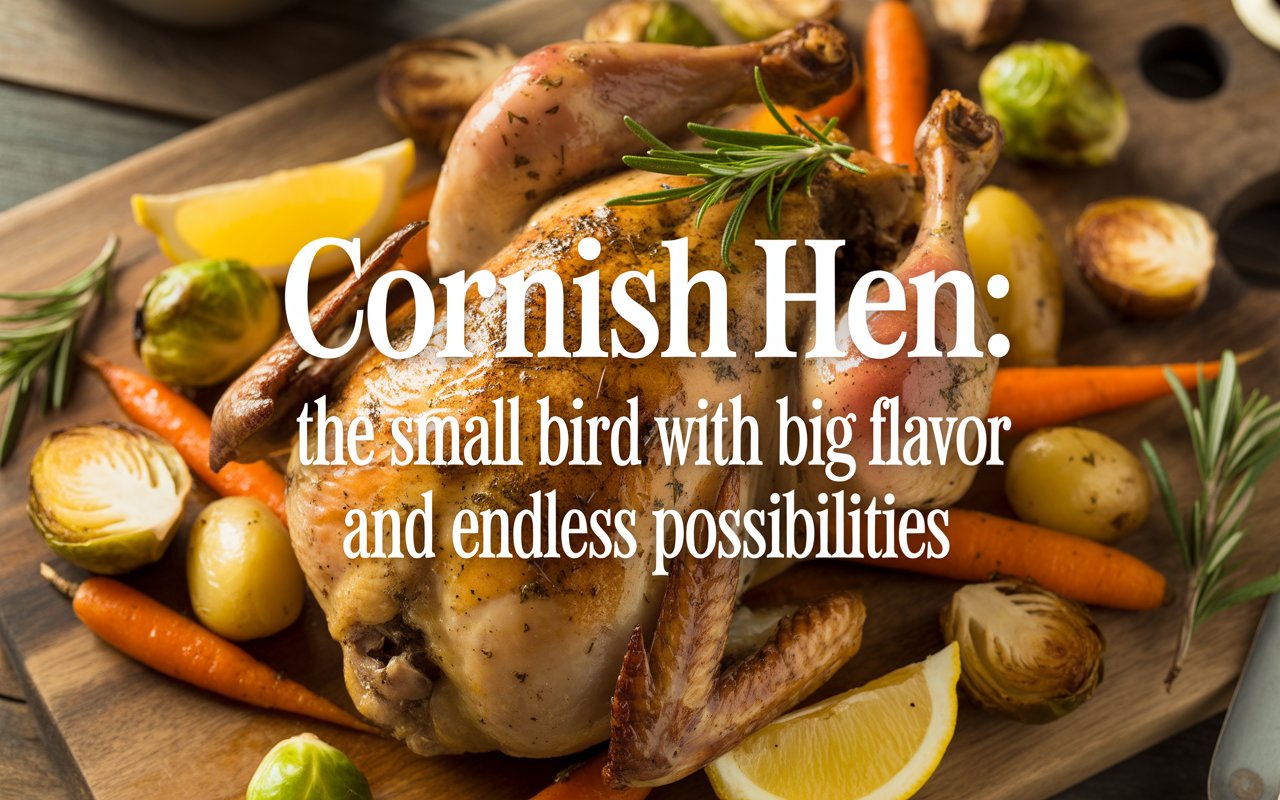
Yes—and surprisingly so.
Nutrition perks:
-
High in protein
-
Good source of iron and zinc
-
Lower in fat than many red meats
As with anything, moderation matters. The key is how you cook it. Deep-fried every night? Maybe not. Roasted with veggies? Now you’re talking.
Common Mistakes (And How to Avoid Them)
Even good cooks mess up. Here are the usual slip-ups:
Overcooking
Smaller bird = faster cooking. Keep an eye on it.
Skipping rest time
Let it sit before cutting. This keeps juices where they belong.
Under-seasoning
Salt isn’t optional—it’s essential.
Hosting with Confidence
If you’re entertaining, this bird is a lifesaver.
Hosting advantages:
-
Everyone gets the same thing
-
Easy to prep ahead
-
Looks elegant without effort
It turns dinner into an event without turning you into a stressed chef.
Why This Bird Deserves a Spot in Your Kitchen
Cooking should feel rewarding—not exhausting. This small roast gives you the emotional payoff of a grand meal without the workload of a holiday feast.
It’s simple, serious about flavor, and easy to love. If food could talk, this one would say, “Relax, I’ve got this.”
Final Thoughts
This isn’t just another poultry guide. It’s an invitation to cook with confidence and try something that feels both cozy and classy at the same time. The next time you want a meal that makes you feel proud without making you tired, you know what to reach for.
And honestly? Once you’ve tried it, you may find it quietly becoming your favorite go-to for special nights that don’t need a special occasion.
FAQs
1. Is it better than regular chicken?
It’s not better—just different. Think more tender and more personal in portion size.
2. How long does one take to cook?
Usually around 45–60 minutes in a hot oven, depending on size.
3. Can I stuff it?
Yes! Just keep the stuffing light so it cooks evenly.
4. What’s the best way to get crispy skin?
Dry the skin well and cook at a higher temperature.
5. Can I freeze leftovers?
Absolutely. Wrap them tightly and use within three months.