





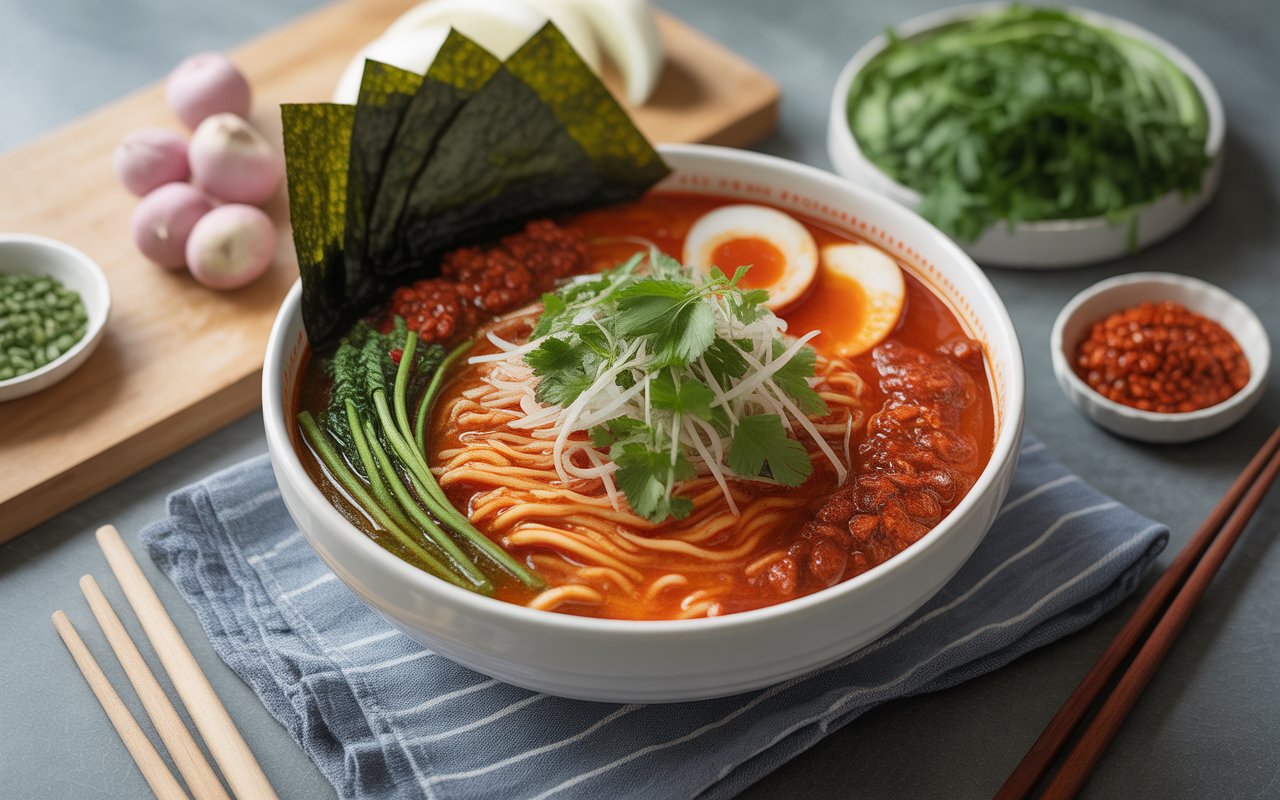

If you’ve ever stumbled across those viral “fire noodle challenge” videos on YouTube or TikTok, then you’ve likely heard of buldak ramen—the infamous Korean instant noodle that sets taste buds on fire. But beyond the challenge and the heat, this dish has a story, a culture, and countless ways to enjoy it.
In this article, we’ll take a deep dive into the buldak ramen recipe: where it comes from, why it became so popular, how to cook it step by step, and how to customize it to suit your spice tolerance. Whether you’re a curious foodie or someone who loves experimenting in the kitchen, this guide will give you everything you need to make the most of this fiery delight.
The Origins of Buldak: Korea’s “Fire Chicken”
Before we talk noodles, let’s rewind a bit. In Korean, the word ‘Buldak’ combines ‘bul’ (fire) and ‘dak’ (chicken), capturing the fiery spirit of the dish in its very name. It was originally a grilled chicken dish smothered in a scorching red sauce made from chili peppers, garlic, soy, and sugar. It was both painful and addictive—kind of like touching a hot stove but going back for more because the flavor was worth it.
When Samyang Foods released their Buldak Bokkeum Myun (fire chicken stir-fried noodles) in 2012, they captured that same fiery flavor in a quick and convenient noodle form. It wasn’t just food—it became a pop culture sensation.
Why Buldak Ramen Became a Global Phenomenon
Ever wonder why this particular ramen went viral? Here’s the secret recipe behind its fame:
-
The Fire Noodle Challenge – Social media users dared each other to finish a pack without milk or water. The reactions (sweating, crying, laughing) made for entertaining videos.
-
Flavor + Heat – Unlike some spicy foods that just burn, buldak ramen actually has a savory, slightly sweet flavor that keeps you hooked.
-
Accessibility – Instant ramen is cheap and widely available, making it easy for anyone to try.
It wasn’t just Koreans eating it; soon students in the U.S., Europe, and Southeast Asia were stocking up on buldak ramen at Asian grocery stores.
Gathering Ingredients for Homemade Buldak Ramen
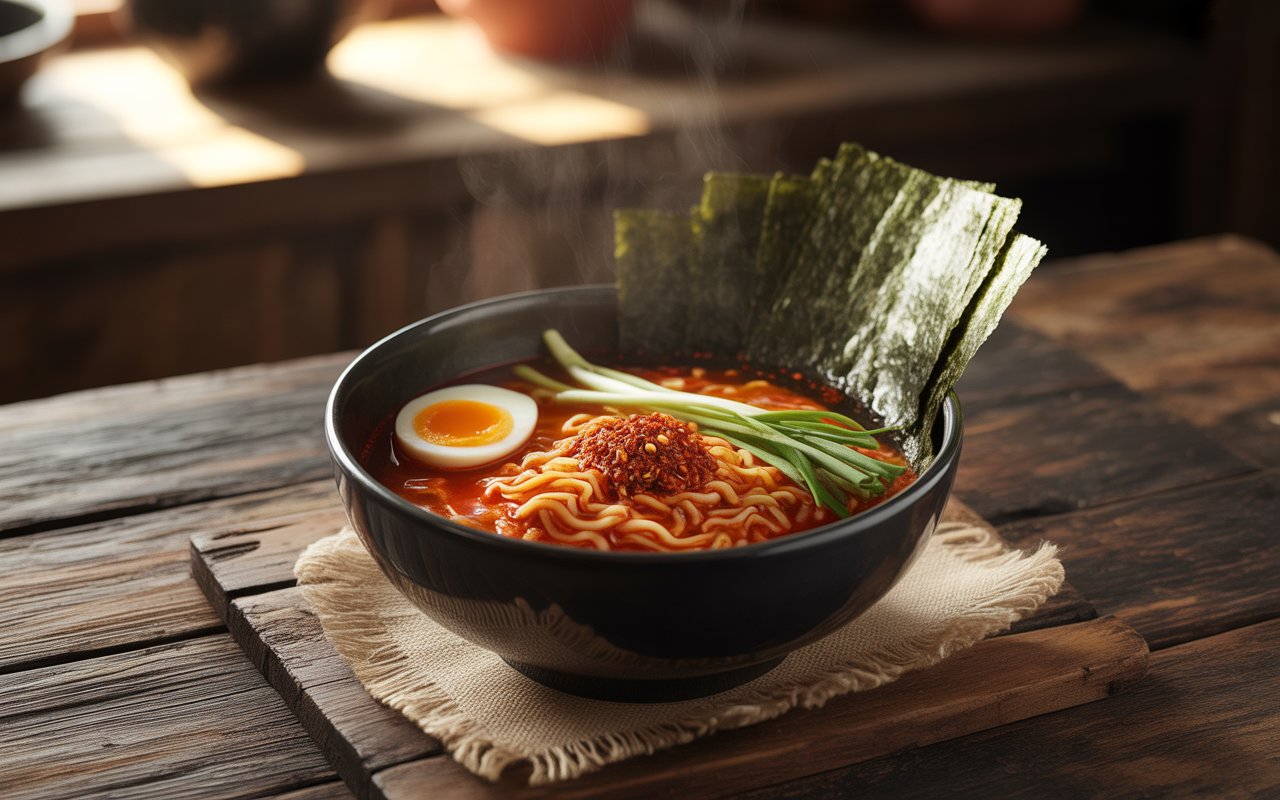
To make a proper buldak ramen recipe, you don’t need a huge shopping list. The beauty is in its simplicity. Here’s what you’ll need:
-
Instant ramen noodles – If you can get Samyang Buldak noodles, great. Otherwise, any ramen works.
-
Gochujang (Korean chili paste) – Adds depth and heat.
-
Gochugaru (Korean chili flakes) – For that fiery kick.
-
Soy sauce – Balances the saltiness.
-
Garlic – Fresh cloves, minced, for aroma and flavor.
-
Sugar or honey – To soften the spice with sweetness.
-
Sesame oil – Nutty finish.
-
Optional toppings – Egg, cheese, seaweed, or chicken pieces.
Think of these ingredients like paint on a canvas—you can keep it simple or create a masterpiece.
Step-by-Step: Cooking the Classic Buldak Ramen
Ready to fire up your taste buds? Let’s walk through the cooking process.
Step 1: Boil the noodles
Bring water to a boil and cook your noodles until they’re just tender. Don’t overcook—they’ll continue cooking when tossed in the sauce.
Step 2: Make the sauce
In a separate pan, combine gochujang, gochugaru, soy sauce, minced garlic, sugar, and sesame oil. Heat it gently until the ingredients meld into a thick, glossy sauce.
Step 3: Combine and stir-fry
Drain the noodles, leaving just a splash of water. Toss them into the pan with the sauce and stir-fry for about 1–2 minutes until they’re coated evenly.
Step 4: Add toppings
Slide in a fried egg, sprinkle sesame seeds, or lay a slice of cheese on top to cut through the heat.
Tips to Handle the Heat
Let’s be honest—buldak ramen is not for the faint-hearted. But don’t worry, there are tricks to make it more manageable:
-
Add cheese – Melted cheese acts like a cooling blanket, toning down the spice.
-
Mix with milk – Some people cook their noodles in milk instead of water for a creamy twist.
-
Add veggies – Cabbage, carrots, or spinach can dilute the heat while adding nutrition.
-
Start with half the sauce – If you’re new to spicy food, ease into it.
It’s like dipping your toes in cold water before diving in—you don’t have to take the full plunge right away.
Creative Variations of Buldak Ramen
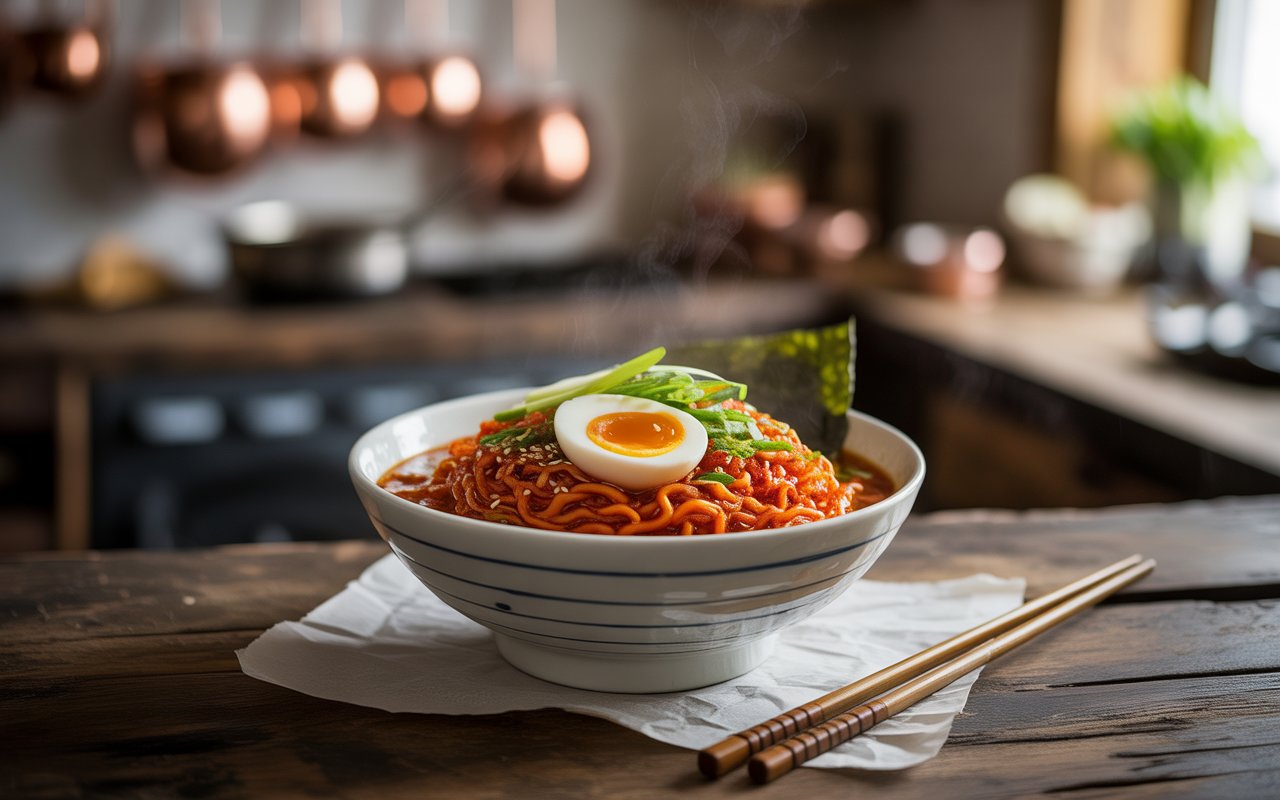
The beauty of this dish is its flexibility. You can reinvent it in countless ways:
-
Cheese Buldak Ramen – Top with shredded mozzarella for a gooey, spicy fusion.
-
Creamy Buldak Pasta – Replace water with cream or milk for an Italian twist.
-
Buldak Fried Rice – Use leftover sauce and mix it with rice instead of noodles.
-
Buldak with Chicken – Throw in stir-fried chicken chunks for a protein boost.
-
Cold Buldak Ramen – Cook noodles, chill them, and toss with sauce for a refreshing summer version.
The Science Behind the Spiciness
Why does buldak ramen feel like setting your mouth on fire? It’s all thanks to capsaicin, the compound in chili peppers that triggers pain receptors. Your brain interprets it as burning, even though no actual heat is involved.
Interestingly, this “pain” also triggers endorphins—our body’s natural feel-good chemicals. That’s why many people describe spicy food as both painful and addictive.
Pairing Buldak Ramen with Drinks
When your mouth feels like a volcano, reaching for the wrong drink can make it worse. For example, water just spreads the spice around. Instead, try these:
-
Milk or yogurt drinks – Dairy neutralizes capsaicin.
-
Sweet iced tea – Sugar helps balance the burn.
-
Korean soju – If you want to go traditional, pair it with this popular drink.
Think of it like fighting fire with foam instead of gasoline—you want to smother the flames, not fan them.
Buldak Ramen as a Social Experience
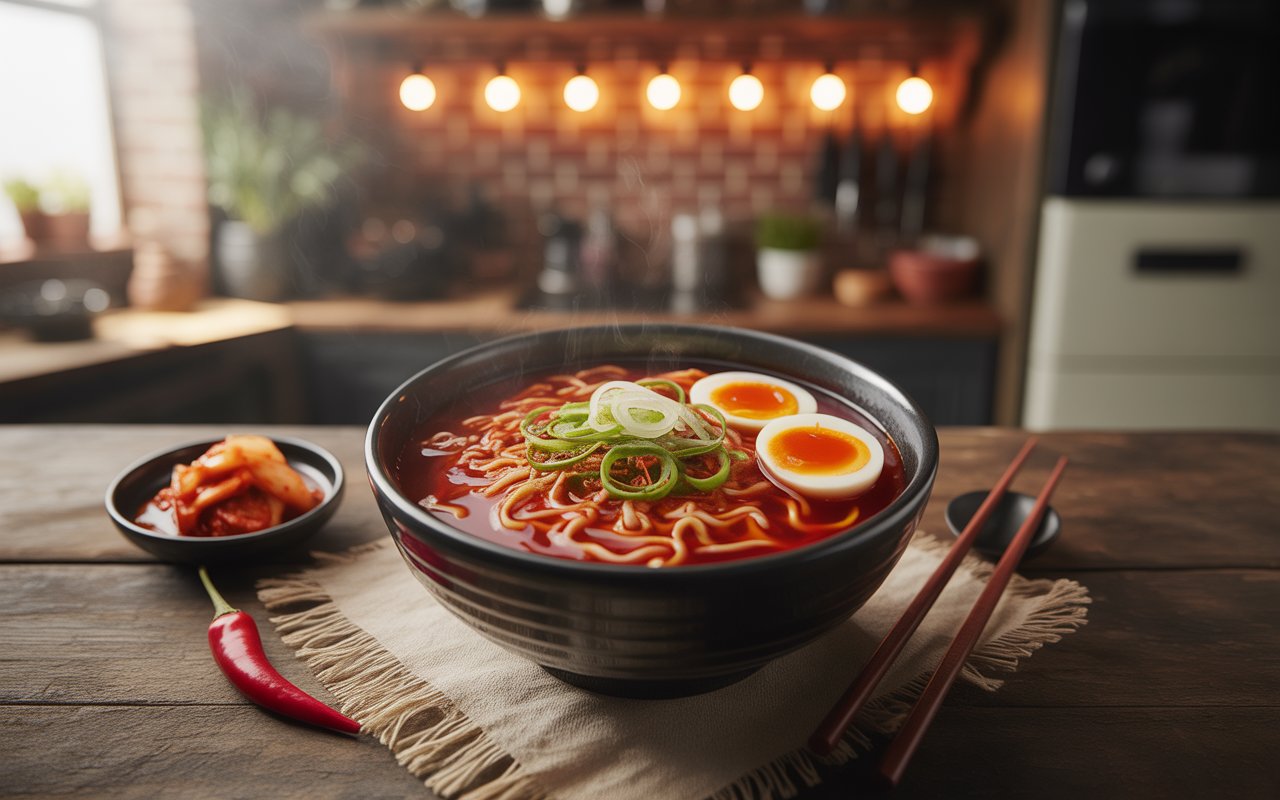
One reason this dish became so beloved is because it’s not just food—it’s an experience. Friends gather to try it together, laughing at each other’s red faces and teary eyes. Families in Korea sometimes cook milder versions at home as a bonding meal.
Food isn’t just about flavor; it’s about connection. And buldak ramen brings people together in a unique, fiery way.
Health Considerations: Is Buldak Ramen Good for You?
Let’s be real: instant ramen isn’t exactly a health food. It’s high in sodium and often fried. But eaten in moderation, it’s fine as a treat. The key is balance.
Want to make it healthier?
-
Use whole wheat noodles.
-
Add lean protein like chicken or tofu.
-
Toss in vegetables for vitamins and fiber.
That way, you’re not just feeding your cravings—you’re also feeding your body.
Making Buldak Ramen a Part of Your Food Journey
Trying buldak ramen at home is more than just cooking noodles—it’s about exploring Korean culture, testing your spice tolerance, and creating fun memories. You can enjoy it solo as a late-night snack or make it the star of a themed dinner with friends.
The best part? Once you master the recipe, you’ll never be limited to the packet instructions again. You’ll be free to experiment, adjust, and make it truly your own.
Conclusion: Turning Heat into Flavor
At first glance, buldak ramen might seem like just another instant noodle. But behind the spice lies a story of culture, creativity, and community. From its fiery origins in Korea to its worldwide popularity, it has become more than just food—it’s an experience.
Cooking it at home lets you take control: dial the heat up or down, add your favorite toppings, or reinvent it entirely. At the end of the day, it’s about turning heat into flavor and enjoying every bite, tears and all.
FAQs About Buldak Ramen Recipe
1. Can I make buldak ramen without it being too spicy?
Yes! Use only half the sauce, add cheese, or cook the noodles in milk for a creamier, milder version.
2. What toppings go best with buldak ramen?
Popular choices include fried egg, cheese, seaweed flakes, sesame seeds, and chicken. Vegetables like cabbage or carrots also work well.
3. Is buldak ramen vegetarian?
The noodles themselves are vegetarian, but the sauce may contain animal-derived ingredients depending on the brand. If making from scratch, you can easily keep it vegetarian.
4. How long does it take to cook buldak ramen?
From start to finish, it usually takes about 10 minutes, making it a quick and easy meal.
5. Can I store leftover buldak ramen?
Yes, but it’s best eaten fresh. If you have leftovers, store them in the fridge for up to a day and reheat by stir-frying with a splash of water.