




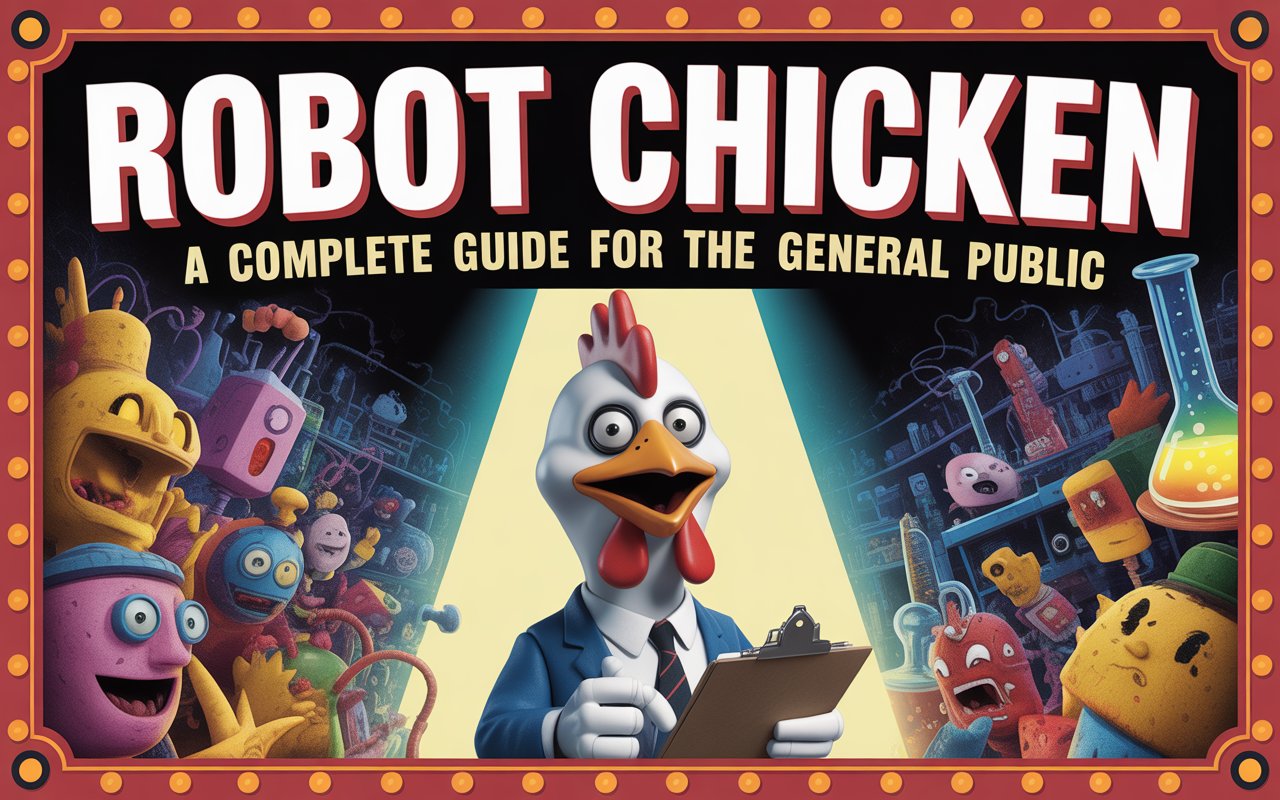

If you’ve ever stumbled across late-night television and found yourself watching a chicken strapped to a chair while toy figures act out outrageous skits, you’ve probably encountered Robot Chicken. It’s one of those shows that feels both bizarre and brilliant at the same time. But what exactly makes this animated series such a standout in the world of pop culture? Let’s break it down together.
What Is Robot Chicken?
At its core, Robot Chicken is a sketch comedy show. Instead of live actors, it uses action figures, dolls, and stop-motion animation to parody everything from superheroes and cartoons to politics and celebrity culture. The show thrives on short, punchy jokes, often lasting only a few seconds, which makes it feel like flipping through the wildest TV channels imaginable.
The Origins of Robot Chicken
Every great story starts somewhere, and Robot Chicken began in the minds of Seth Green (yes, the actor from Austin Powers and Buffy the Vampire Slayer) and Matthew Senreich. Back in the early 2000s, the two were experimenting with short stop-motion clips for a website. These experiments eventually caught the attention of Adult Swim, the late-night programming block on Cartoon Network. In 2005, Robot Chicken officially hatched onto TV screens.
Why Stop-Motion Animation?

You might wonder, why not just use regular animation? Stop-motion gives the show its unique personality. Think of it as playing with action figures in your childhood bedroom, but with grown-up humor and a professional film crew behind it. Each movement of the toys is photographed frame by frame, which takes hours of meticulous effort but results in that jerky, handmade look fans adore.
The Role of Adult Swim
Without Adult Swim, Robot Chicken might never have taken flight. Adult Swim was built as a space for experimental, weird, and edgy content that didn’t quite fit traditional TV. The late-night time slot gave the creators freedom to push boundaries, test outrageous jokes, and appeal directly to a cult audience that craved something different.
What Makes the Humor Work?
The humor of Robot Chicken is sharp, chaotic, and unapologetically silly. It works because it combines nostalgia with satire. One minute, you’re watching a wholesome childhood character like Scooby-Doo; the next, the skit is flipping the script in the most unexpected way. This collision of innocence and absurdity is what keeps fans coming back for more.
Pop Culture Parodies
One of the biggest draws of the show is its ability to poke fun at almost anything in pop culture. Superheroes like Batman and Superman aren’t spared, nor are franchises like Star Wars, Harry Potter, or even board games like Clue. The beauty lies in exaggerating flaws, quirks, or ridiculous scenarios that fans themselves might have joked about in private conversations.
Famous Guest Stars
You might be surprised to learn how many celebrities have lent their voices to the show. From Sarah Michelle Gellar to Mark Hamill, even A-list stars enjoy making fun of themselves or the characters they’ve played. These cameos add an extra layer of excitement because you never know which famous voice might pop up next.
The Star Wars Specials
No discussion of Robot Chicken is complete without mentioning its Star Wars specials. These episodes became fan favorites because they managed to lovingly mock one of the most beloved franchises in history. Instead of tearing it down, the sketches highlight quirks and “what if” scenarios, such as the everyday struggles of a stormtrooper or Darth Vader’s awkward conversations.
Behind the Scenes: How It’s Made

Producing an episode of Robot Chicken isn’t easy. It requires a team of writers, animators, and voice actors. Sets are built on miniature scales, and action figures are customized for each skit. The process is slow—animators sometimes only complete a few seconds of footage per day—but the end result is a fast-paced, laugh-out-loud show that feels effortless to viewers.
Awards and Recognition
Despite its offbeat style, the show has earned serious respect in the industry. Over the years, it has won multiple Emmy Awards, proving that even the strangest ideas can gain critical acclaim when executed with creativity and passion.
Cultural Impact
Why does Robot Chicken matter in the bigger picture? It represents the power of unconventional storytelling. By turning toys into vehicles for humor, the show challenges traditional comedy formats and inspires other creators to experiment. It also speaks to our collective nostalgia, reminding us that laughter can come from the simplest sources—like the toys we grew up with.
The Longevity of Robot Chicken
Most sketch shows struggle to stay relevant, but Robot Chicken has lasted for nearly two decades. That’s a huge achievement. Part of its staying power comes from its flexibility. As pop culture evolves, the show adapts, ensuring its jokes always feel fresh and timely.
Why People Still Love It
There’s something universal about laughing at absurdity. Whether you grew up with action figures, comic books, or Saturday morning cartoons, the show taps into that shared experience. Watching Robot Chicken feels like sitting with friends who aren’t afraid to crack jokes about your favorite heroes and villains.
Conclusion
Robot Chicken may not be for everyone—it’s crude, chaotic, and often outrageous—but that’s exactly what makes it special. It dares to be different in a world of polished, predictable comedy. Like a mischievous kid smashing toys together in a sandbox, the show reminds us that humor can be messy, nostalgic, and wildly entertaining all at once.
FAQs
1. Who created Robot Chicken?
It was created by Seth Green and Matthew Senreich in the early 2000s.
2. How is Robot Chicken animated?
The show uses stop-motion animation with action figures and miniature sets, moving characters frame by frame.
3. Is Robot Chicken appropriate for kids?
No, it’s aimed at adults due to its mature humor, themes, and language.
4. Why are the Star Wars specials so popular?
They combine fan love with clever parody, highlighting funny “what if” scenarios without mocking the franchise harshly.
5. How long has Robot Chicken been on air?
It premiered in 2005 and has continued releasing episodes and specials for nearly two decades.