





If you’ve ever stepped into the shower expecting a warm, relaxing moment only to be greeted by icy water, you already know how important a working water heater is. Water heaters are one of those everyday appliances we barely think about — until they stop doing their job. Whether you live in a house or apartment, understanding the basics of water heater repair can save you stress, time, and unnecessary costs.
Think of your water heater like a quiet teammate: it works behind the scenes, heating and storing water so that it’s ready when you need it. But like any hardworking teammate, it can run into issues. In this guide, we’ll walk through everything you need to know — from how water heaters work to common problems, maintenance tips, and when to call in a trained specialist or adult for help.
This article avoids technical jargon, uses simple language, and keeps things conversational — as if we were chatting over a cup of tea. Ready? Let’s dive in.
Understanding How a Water Heater Works
How does a water heater actually heat water?
Most homes use one of two types of water heaters: electric or gas-powered. Regardless of the type, the basic idea is the same — cold water enters the tank, it gets warmed by a heating element or burner, and then the hot water is stored until you need it.
The basic parts of a water heater
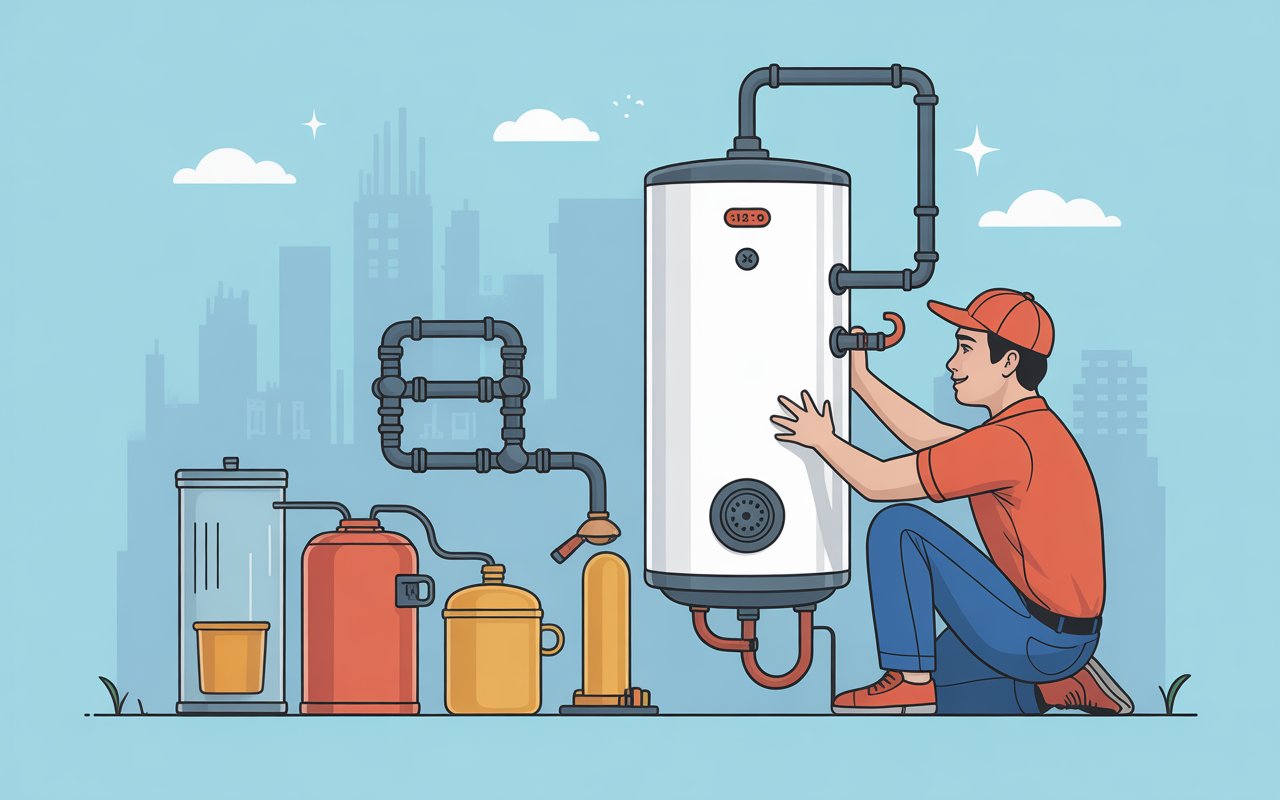
While you won’t be touching these parts yourself, it’s helpful to know the main components:
-
Tank – where water is stored
-
Heating element or burner – what warms the water
-
Thermostat – controls the temperature
-
Anode rod – helps prevent rust
-
Pressure-relief valve – keeps the system safe
-
Pipes and connectors – move water in and out
Think of the tank like a giant thermos. It keeps your water warm so it’s ready anytime.
Why Water Heaters Break Down
Age and natural wear
Water heaters typically last 8–12 years, depending on quality, usage, and maintenance. Just like a car, the older it gets, the more likely something will go wrong.
Mineral buildup
If you live in an area with hard water, minerals like calcium can collect inside the tank. Over time, this buildup affects performance.
Pressure issues
High pressure can stress your water heater and its components. That’s why the pressure-relief valve exists.
Rust and corrosion
Without the anode rod doing its job, tanks can rust from the inside — leading to leaks or even failures.
Thermostat or heating element failure
If the thermostat stops communicating with the heating element, your water may never heat properly.
Common Signs Your Water Heater Needs Attention

Luke-warm or cold water
If your warm water suddenly turns unpredictable, something inside the water heater may be struggling.
Strange noises
Popping, rumbling, or banging sounds often come from mineral buildup inside the tank.
Rust-colored water
Brown or rusty water can indicate corrosion inside the heater or pipes.
Low hot water pressure
Sediment buildup or blocked pipes may be limiting flow.
Water around the base
Leaks can signal damaged components or tank deterioration — something you should not ignore.
Bad odors
Sometimes bacteria inside the tank can cause foul smells, especially in warm water.
Safety Comes First — What You Should Not Do
Before discussing general troubleshooting concepts, let’s be clear:
Because water heaters involve gas lines, electric connections, and pressurized systems, minors and untrained individuals should never attempt hands-on repairs. Always involve a parent, guardian, or licensed technician for actual repair work.
Your role is to identify problems, not fix risky components.
Basic Troubleshooting Concepts Anyone Can Understand
Check the power source (safely, from a distance)
If your water heater suddenly stops working, it’s often related to electricity or gas supply. Without touching wires or panels, you can ask an adult to verify:
-
Whether there was a power outage
-
If the breaker tripped
-
If the gas supply is steady
Look for obvious signs
Without touching anything:
-
Is there water leaking?
-
Is the water discolored?
-
Is the heater making loud noises?
Making note of these signs helps professionals diagnose the issue quickly.
Think about recent changes
Has your home:
-
Used more hot water than usual?
-
Experienced unusually cold weather?
-
Had plumbing work done?
-
Seen a spike in energy use?
These clues help identify what’s going wrong.
The Most Common Water Heater Problems Explained

Here’s a breakdown of the issues people run into most often — explained in simple terms.
No hot water
This could be caused by:
-
A tripped breaker
-
A faulty thermostat
-
A burned-out heating element
-
Gas supply interruptions
All of these require an adult or technician to handle directly.
Not enough hot water
Sometimes the tank just isn’t big enough for your household. Other times:
-
Sediment buildup reduces efficiency
-
The thermostat setting is too low
-
Parts inside are weakening
Water takes too long to heat
This can happen due to age, sediment, or failing heating components.
Water heater leaks
Leaks can come from:
-
Loose connections
-
Internal tank corrosion
-
Pressure buildup
Because leaks can worsen quickly, professionals should be called immediately.
Strange noises
That popping or rumbling? Often sediment heating unevenly. It’s a warning sign the heater needs servicing.
Why Professional Repair Matters
Even if you’re curious about how things work, remember that water heaters combine electricity, gas, heat, pressure, and water — a combination where safety is critical.
Certified technicians protect your home
They:
-
Diagnose issues safely
-
Have the right tools
-
Follow safety codes
-
Can detect hidden risks
-
Prevent future problems
DIY repairs can be dangerous
Incorrect fixes can lead to:
-
Gas leaks
-
Electrical hazards
-
Flooding
-
Burning
-
Pressure explosions
Better to let trained adults handle the technical parts.
Maintenance Tips Anyone Can Know (Without Doing the Dangerous Parts)
These tips help extend the life of your heater, and you can share them with adults in your home.
Schedule annual professional checks
This helps catch issues early.
Know the age of your heater
If it’s close to 10 years old, expect issues.
Watch for rust-colored water
It’s an early sign of corrosion.
Listen for unusual noises
Sounds often tell you it’s time for servicing.
Be mindful of water usage
If your home uses more hot water than before, the tank may be undersized.
Energy Efficiency and Why It Matters

Older heaters use more energy
A water heater approaching the end of its life heats less efficiently, raising bills.
Insulation helps (done by a professional)
Insulating the tank and pipes can reduce heat loss and energy use.
Modern models save money
Newer heaters often include:
-
Better insulation
-
Faster heating
-
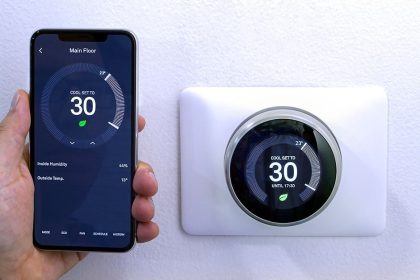
Smart temperature controls
When It’s Time to Replace the Water Heater
Age is the biggest factor
If yours is beyond 10–12 years, repairs may not be worth the cost.
Frequent repairs
If problems keep returning, replacement may save money long-term.
Major leaks or corrosion
A rusted tank cannot be repaired safely.
Hot water demand has increased
Larger families or lifestyle changes may require a bigger or more efficient unit.
Helpful Decision Guide — Repair or Replace?
Imagine your water heater is like an old car.
If fixing it costs more than the value you get from it, replacing is smarter.
Here’s a quick way to think about it:
-
Minor issues (like thermostat replacement) → often repairable
-
Tank leaks or rust → replacement needed
-
System older than 12 years → strongly consider replacement
-
High energy bills → newer models save money long-term
Choosing a Professional Technician
When hiring a specialist, it helps to look for:
-
Licensing and certification
-
Experience with your heater type
-
Good reviews
-
Warranty options
-
Transparent pricing
Ask adults in your home to handle the communication and decision-making.
Conclusion
Water heaters may look simple from the outside, but inside, they’re a complex mix of heating parts, safety valves, sensors, and pressurized water. Understanding how they work — and what can go wrong — empowers you to spot issues early, avoid panic, and communicate clearly with adults or technicians.
While you should never attempt risky repairs yourself, knowing the warning signs, causes, and solutions can help keep your home comfortable and safe. With regular care, awareness, and professional support, your water heater can stay reliable for years.
Frequently Asked Questions (FAQs)
1. Why is my water suddenly not heating up?
It could be due to electrical problems, thermostat failure, or gas supply issues. Because these involve safety risks, a trained adult or technician should check it.
2. What does it mean if my water heater is making popping noises?
This usually suggests mineral buildup inside the tank. A professional can safely flush the system to restore performance.
3. Is a leaking water heater dangerous?
Leaks can worsen quickly and may cause water damage or pressure-related issues. It’s important to involve an adult or technician immediately.
4. How often should a water heater be serviced?
Most experts recommend a yearly inspection to keep the system running safely and efficiently.
5. When should a water heater be replaced instead of repaired?
If the heater is over 10–12 years old, leaking, or requiring frequent repairs, replacement is usually the smarter and safer option.