






An oil lamp might look simple—just a vessel, a wick, and a flame—but don’t be fooled. This little source of light has been guiding human nights for thousands of years. Long before electricity filled our homes with the flip of a switch, people relied on glowing oil lamps to read, cook, pray, and tell stories after sunset. Even today, oil lamps still hold a special place in homes, festivals, and hearts around the world.
Think of an oil lamp like a tiny sun in a bowl. It doesn’t roar like a bonfire or blind like a spotlight, but it gives off a steady, comforting glow that makes shadows dance and silence feel warmer. In this article, we’ll explore the world of oil lamps from every angle—history, design, fuel types, safety tips, and even modern uses—so you can fully understand why this ancient tool still shines in the modern age.
The Ancient Origins of the Oil Lamp
The story of the oil lamp begins earlier than written history. Archaeologists have found stone lamps dating back more than 40,000 years. These early humans carved shallow bowls out of rocks and filled them with animal fat. A simple plant fiber or piece of moss worked as the wick.
As civilizations grew, oil lamps became more refined. The ancient Egyptians, Greeks, and Romans created lamps from clay, bronze, and glass. Designs slowly evolved from rough shapes into beautiful objects decorated with patterns, symbols, and even faces of gods.
Oil lamps were more than a tool—they were a sign of progress. When societies learned to control fire in this small, safe way, nights became productive. People could work, read, and gather even after the sun disappeared.
How an Oil Lamp Actually Works
At first glance, an oil lamp seems almost magical. How does a piece of string create light from oil without burning it all at once?
Here’s the simple science behind it:
-
The oil is the fuel.
-
The wick is the highway.
-
The flame is the destination.
The wick soaks up oil like a sponge. Through a process called capillary action, the oil travels upward to the tip of the wick. Once there, the flame burns the vapor coming from the oil—not the liquid itself. That’s why a lamp can stay lit for hours without the oil catching fire all at once.
This clever design makes oil lamps both efficient and surprisingly safe when used correctly.
Types of Oil Lamps Through Time
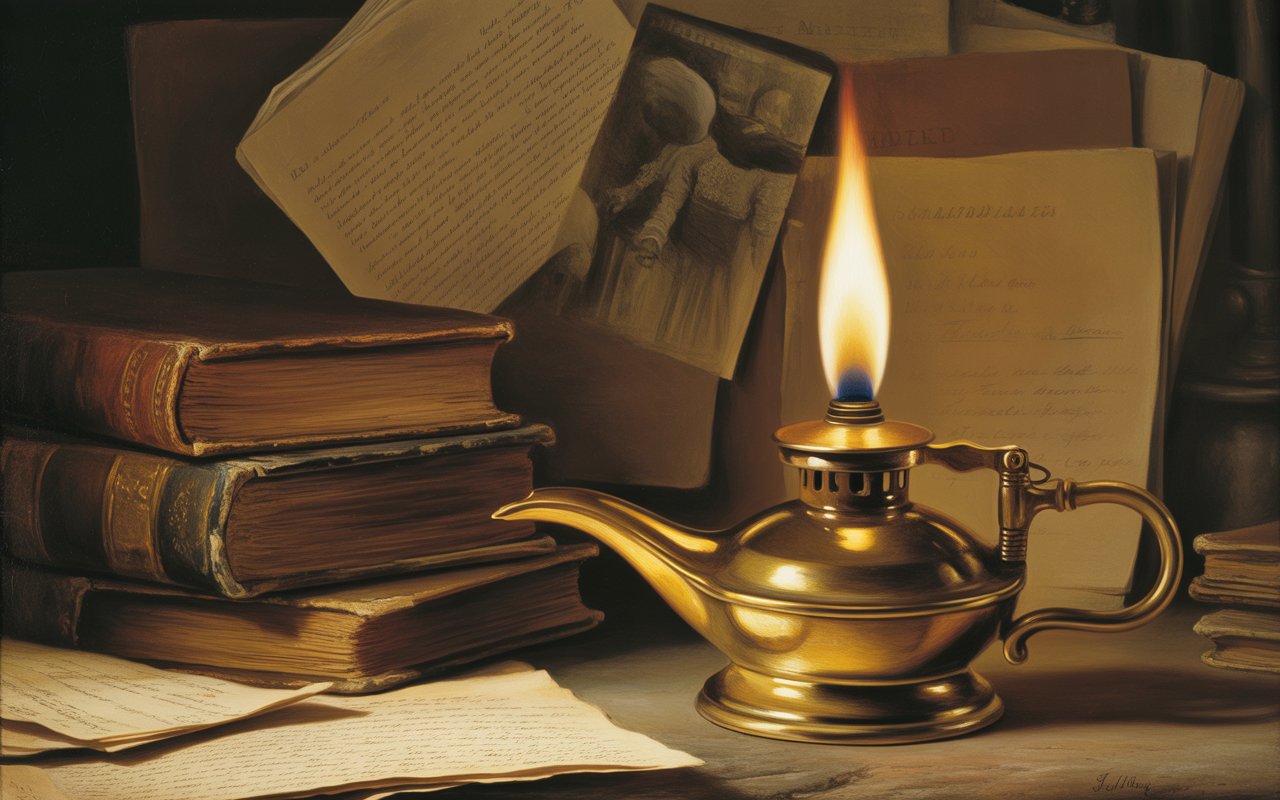
Oil lamps didn’t stay the same for centuries. Human creativity shaped them into many forms, each with its own personality.
Ancient Clay Lamps
These were small, sturdy, and easy to make. Pottery lamps were common in Roman and Greek homes. Some even had multiple wicks for brighter light.
Brass and Bronze Lamps
Metal lamps came later and were more expensive. They were often passed down through families and used in temples and important events.
Glass Oil Lamps
With the rise of glass-making, oil lamps became more decorative. Clear glass allowed people to see the oil level, making refilling easier.
Storm Lamps and Lanterns
Designed for outdoor use, these lamps had protective coverings to prevent wind from blowing out the flame.
Every type reflects its era, showing how people gradually improved lighting over time.
Fueling the Flame: What Oils Are Used?
Not all oils are created equal when it comes to burning cleanly and safely. Different cultures used what was available to them locally.
Here are some common oils used throughout history and today:
-
Olive oil – Popular in the Mediterranean, burns clean and slowly.
-
Castor oil – Bright flame but thicker and sometimes smoky.
-
Sesame oil – Often used in rituals and religious lamps.
-
Mustard oil – Common in South Asia, strong-smelling but effective.
-
Kerosene – Modern option with a powerful flame, used in lanterns.
-
Lamp oil (refined) – Specially made for clean burning and safety.
Choosing the right oil affects brightness, smoke, and scent. Some oils even fill the air with a gentle aroma, adding to the atmosphere.
Cultural and Spiritual Significance
Oil lamps are not just about light—they carry deep meaning across cultures.
In Religion and Ritual
In Hinduism, lighting a lamp symbolizes removing darkness from the soul. In Christianity, lamps represent spiritual guidance. In Buddhism, offerings of light show respect and devotion.
In Celebrations
Festivals like Diwali, Hanukkah, and Vesak all involve lighting lamps or candles. The message is always the same: light wins over darkness.
In Daily Life
Many families still light oil lamps at dawn or dusk as part of their daily routine. It’s a small act that feels like saying hello or goodnight to the world.
The flame becomes a reminder of hope, life, and continuity.
Oil Lamps in the Modern Home
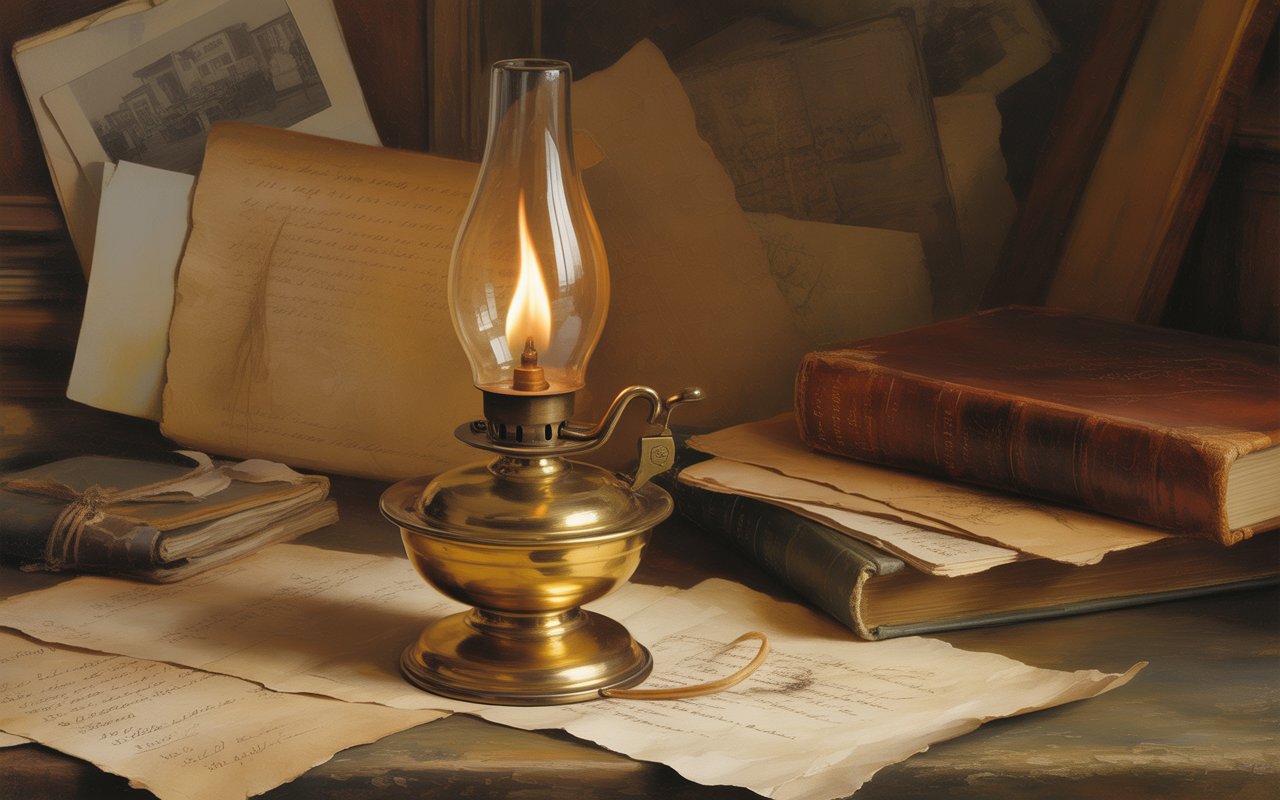
You might think oil lamps are only for history lovers or spiritual spaces, but they’ve made a quiet comeback in modern design.
People now use oil lamps as:
-
Mood lighting for cozy evenings
-
Emergency lights during power outages
-
Decorative pieces on shelves and tables
-
Garden lights for outdoor dinners
An oil lamp gives a soft glow that modern bulbs can’t replicate. It feels natural, warm, and alive. In a world full of screens, that gentle flicker is a break for the eyes—and the mind.
Safety First: Using Oil Lamps the Right Way
While oil lamps are beautiful, they must be treated with respect. Fire is a helpful servant but a dangerous master.
Here are some essential safety tips:
-
Never leave a burning lamp unattended.
-
Keep it away from curtains, paper, and children.
-
Use a stable surface that won’t tip over.
-
Don’t overfill the reservoir.
-
Trim the wick to avoid smoke.
-
Put it out before sleeping.
Think of an oil lamp like a pet: friendly, comforting, but only when properly cared for.
Cleaning and Maintenance Made Simple
A clean lamp burns better and lasts longer. Luckily, maintenance isn’t hard.
Routine Cleaning
Wipe the outside with a dry cloth. If oil spills, clean immediately to prevent stains.
Wick Care
Trim burnt sections regularly. Replace the wick if it becomes too short or hard.
Storage Tips
Empty unused oil if storing for a long time. Keep the lamp in a cool, dry place.
Taking a few minutes for care ensures your lamp stays safe and beautiful.
Environmental Impact and Sustainability

Compared to electricity generated by coal or gas, oil lamps using natural oils may seem eco-friendly. But it depends on how they’re used.
Plant-based oils like olive or sesame are renewable. However, burning any oil produces smoke and carbon. For occasional use, the environmental footprint is small. Using lamps all the time, though, would not be practical today.
Still, when used thoughtfully, oil lamps can be a sustainable option during outages or outdoor activities.
Oil Lamp vs. Candle: What’s the Difference?
They may look similar, but they work differently.
Candles burn wax directly.
Oil lamps burn oil through a wick.
Oil lamps can last longer and produce steadier light. Candles are simpler and easier to carry. Each has its own charm, but oil lamps usually feel more “alive” because you can see the fuel feeding the flame.
Choosing the Right Oil Lamp for You
Before buying one, ask yourself:
-
Do I want it for decoration or daily use?
-
Will it be indoors or outdoors?
-
Do I prefer traditional or modern design?
Go for a lamp that feels right in your hands and looks good in your space. An oil lamp isn’t just an object—it becomes part of your environment.
The Emotional Power of a Simple Flame
Have you ever stared into a small flame and felt your mind quiet down?
An oil lamp has a calming effect. It’s slow, silent, and steady. In a fast world, it teaches patience. In a noisy life, it offers peace.
Lighting an oil lamp can feel like opening a tiny window to the past—a connection to every human who ever gathered around flame for comfort, warmth, and hope.
Frequently Asked Questions (FAQs)
1. Are oil lamps safe to use indoors?
Yes, when used properly with good ventilation and safety precautions, oil lamps are safe indoors.
2. What is the best oil for an oil lamp?
Refined lamp oil or olive oil is often recommended because it burns clean and steady.
3. Can oil lamps replace electric lighting?
Not practically. They’re best as support lighting, not a full replacement.
4. Do oil lamps produce smoke?
Some oils may create slight smoke, but proper wick trimming reduces it.
5. How long can an oil lamp burn?
Depending on size and oil type, anywhere from a few hours to an entire evening.
Conclusion: Why Oil Lamps Still Matter
Oil lamps are not just about lighting up a dark room; they light up our connection to history, culture, and emotion. They remind us that not everything powerful has to be loud or bright. Sometimes, the softest glow tells the deepest story.
Whether you use one for prayer, decoration, or emergency lighting, an oil lamp brings with it something no modern gadget can: a sense of humanity glowing quietly in the dark.