





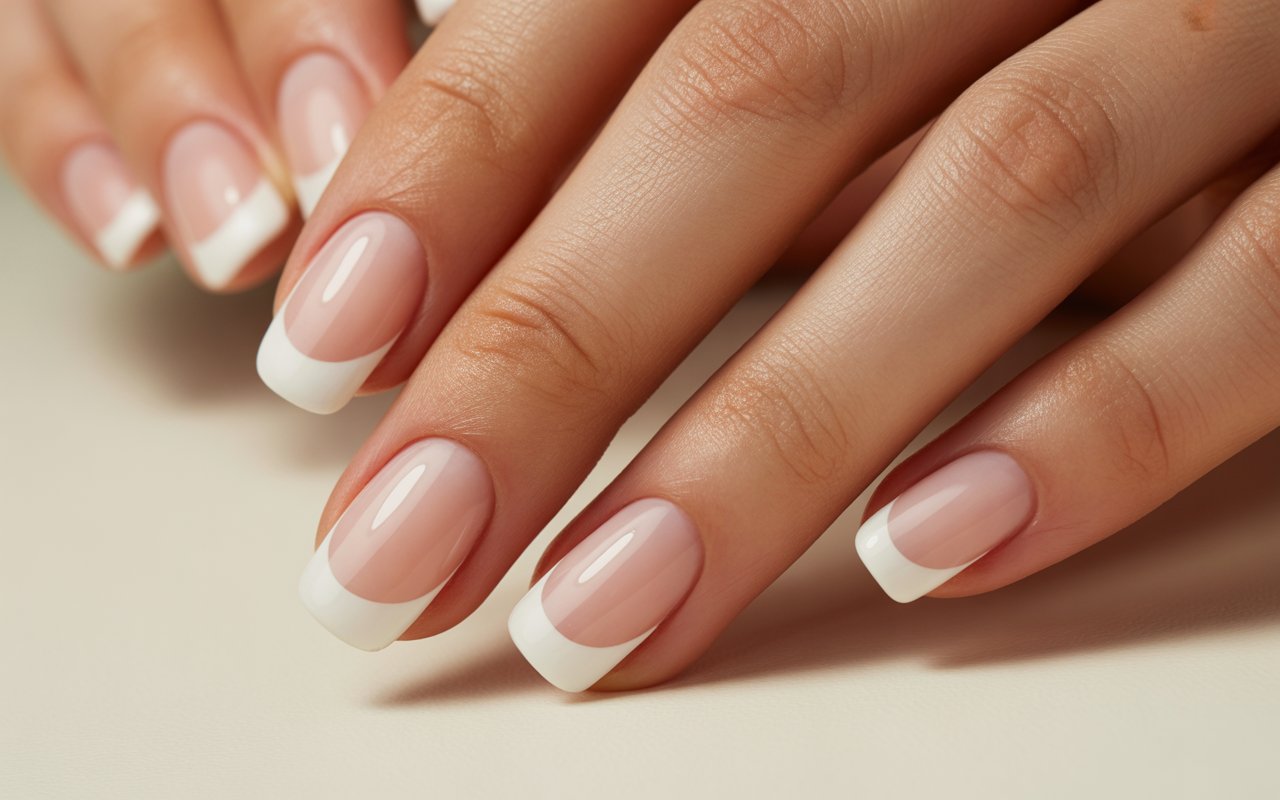

Beautiful nails are more than just a fashion statement—they reflect personal hygiene, self-care, and even overall health. Whether you prefer natural nails or love experimenting with polish and designs, taking proper care of them makes a noticeable difference.
Think of your nails like a tiny canvas. If the surface is smooth and healthy, anything you paint or decorate on it looks better. But if the base is weak or damaged, even the best polish won’t shine the same way. This guide walks you through everything you need to know about maintaining strong, clean, and attractive nails in everyday life.
Understanding Nail Health Basics
Healthy nails are usually smooth, slightly pink, and free from deep ridges or discoloration. They grow from the nail matrix under your skin, which means what you eat and how you treat your hands directly affects their condition.
Brittle, peeling, or slow-growing nails can be signs of dehydration, nutritional gaps, or frequent exposure to harsh chemicals. Sometimes, even small habits like biting nails or skipping moisturizer can cause long-term damage.
Your nails don’t just “grow better” on their own—they need consistent care, just like your skin or hair.
Daily Cleaning and Hygiene Habits
One of the most important routines is simple cleanliness. Dirt and bacteria can easily collect under nails, especially if they are slightly long.
Wash your hands regularly with mild soap and gently clean under the nails using a soft brush. Avoid digging aggressively, as this can weaken the nail bed.
After washing, always dry your hands properly. Moisture left behind for too long can soften nails and make them prone to breakage.
A good habit to build is treating nail care as part of your daily hygiene routine, just like brushing your teeth.
Moisturizing for Stronger Nails
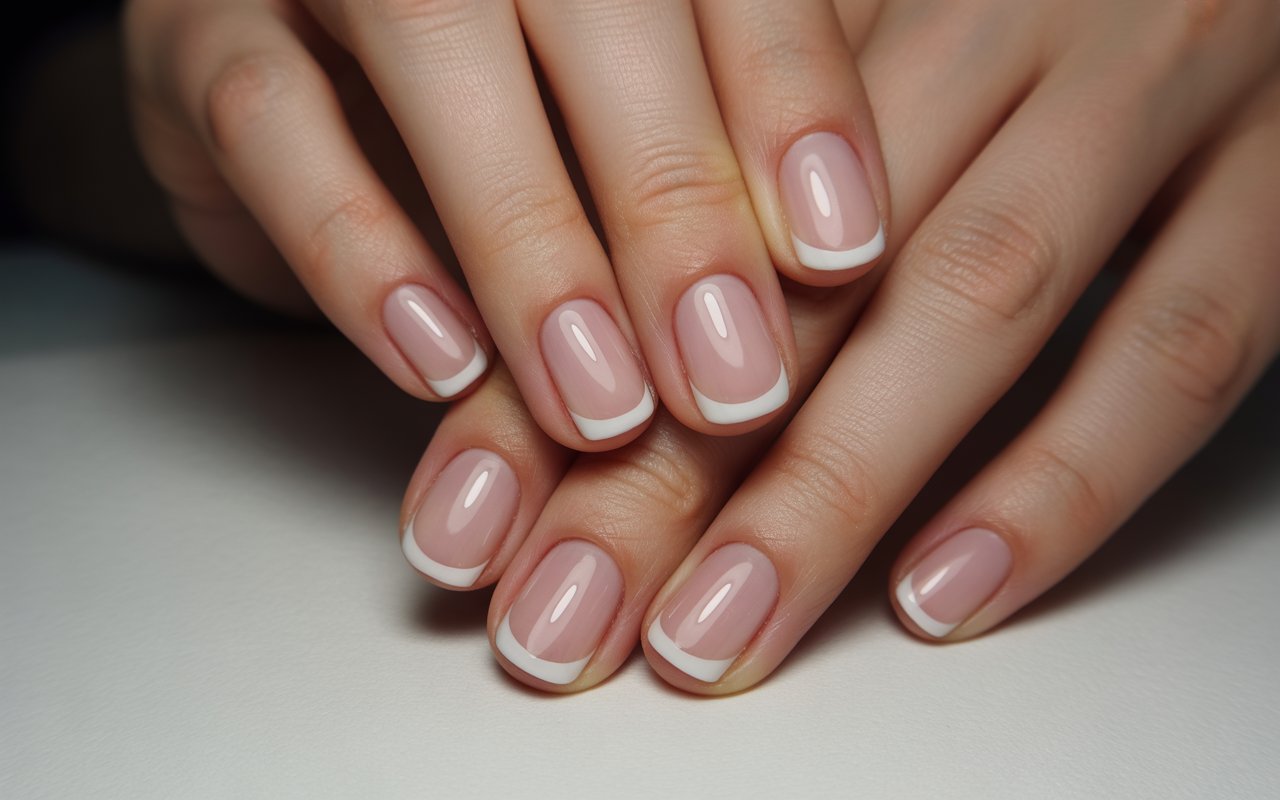
Just like skin, nails also lose moisture throughout the day. Dry nails are more likely to split, crack, or peel.
Using a hand cream or cuticle oil can significantly improve nail flexibility. Massage it into your nails and surrounding skin, especially before sleeping.
Natural oils like coconut oil, olive oil, or almond oil can also work wonders. Regular hydration keeps the nails smooth and reduces rough edges.
Think of moisture as “fuel” for your nails—it keeps them flexible instead of brittle.
Proper Nail Trimming and Shaping
Trimming nails regularly helps maintain cleanliness and prevents accidental breakage. Use a sharp nail clipper and avoid cutting too close to the skin.
After trimming, gently file the edges in one direction. Sawing back and forth can weaken the nail structure.
Popular shapes include square, round, almond, and oval. The best shape depends on your lifestyle—short, rounded nails are usually more practical for daily tasks, while longer shapes are more decorative.
Consistency is key here; irregular trimming can lead to uneven growth and splitting.
Cuticle Care and Why It Matters
Cuticles act as a protective barrier against bacteria and infection. Many people make the mistake of cutting them too aggressively, which can cause irritation.
Instead of cutting, gently push them back after a warm shower when they are soft. Use a cuticle oil or cream to keep them hydrated.
Healthy cuticles support stronger nail growth. If they are dry or cracked, the entire nail can become weak.
Treat cuticles like a “natural seal” protecting your nails.
Choosing Safe Nail Products
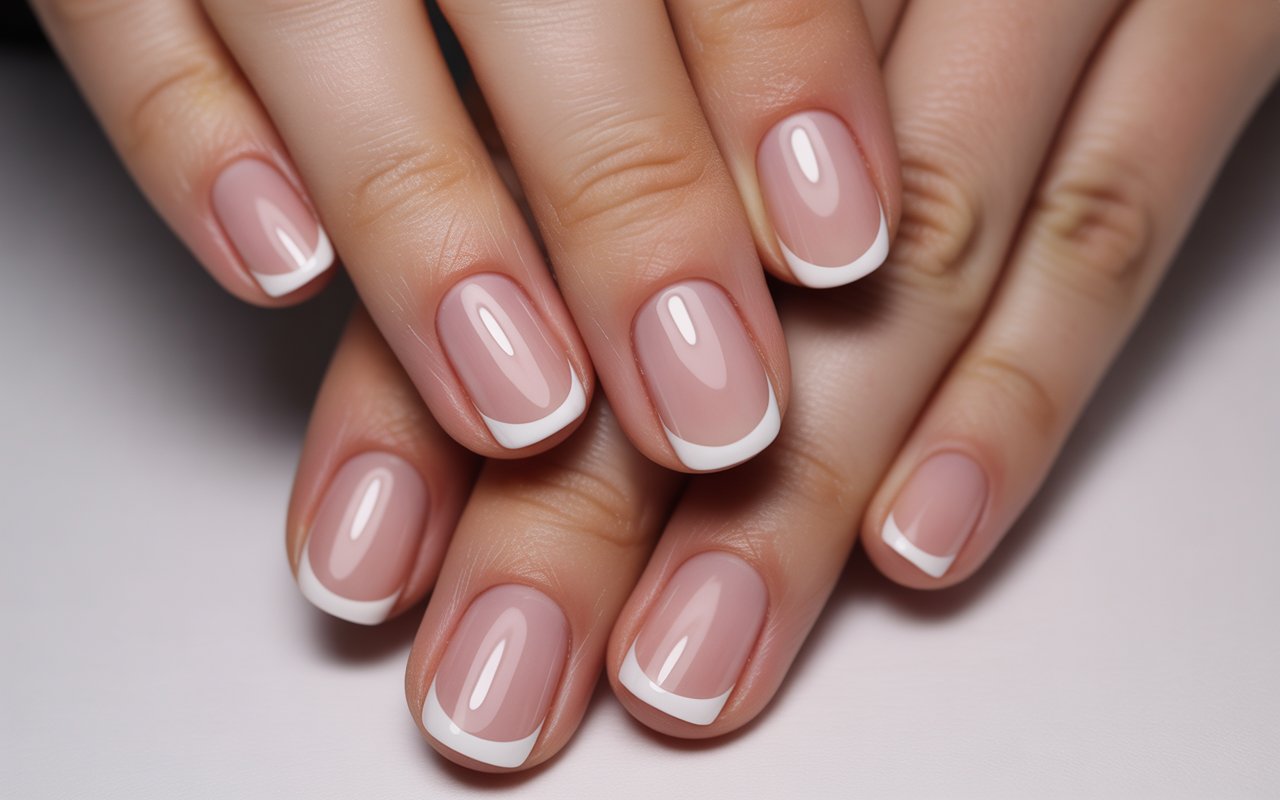
Not all nail products are created equal. Some polishes, removers, or acrylic products contain harsh chemicals that can weaken nails over time.
Look for formulas labeled as “gentle,” “non-toxic,” or “strengthening.” Acetone-free removers are also a better choice for regular use.
If you enjoy nail polish frequently, try to give your nails a break in between applications. This helps them breathe and recover.
Your nails are like fabric—constant layering without rest can wear them out.
Nutrition and Its Impact on Nail Strength
What you eat directly influences nail growth. A balanced diet rich in vitamins and minerals can improve nail thickness and reduce brittleness.
Foods containing biotin, iron, zinc, and protein are especially beneficial. Eggs, nuts, leafy greens, fish, and whole grains support healthier nail structure.
Hydration also plays a big role. Drinking enough water helps maintain nail flexibility and prevents dryness.
You can’t “paint” healthy nails from the outside alone—they start from within.
Avoiding Common Nail Habits That Cause Damage
Some everyday habits can silently harm your nails:
- Biting nails during stress
- Using nails as tools to open things
- Peeling off old polish instead of removing it properly
- Skipping gloves while cleaning
These actions may seem small, but over time they weaken nail layers.
Breaking these habits takes awareness. Once you notice them, replacing them with safer alternatives becomes easier.
Protecting Nails from Environmental Damage
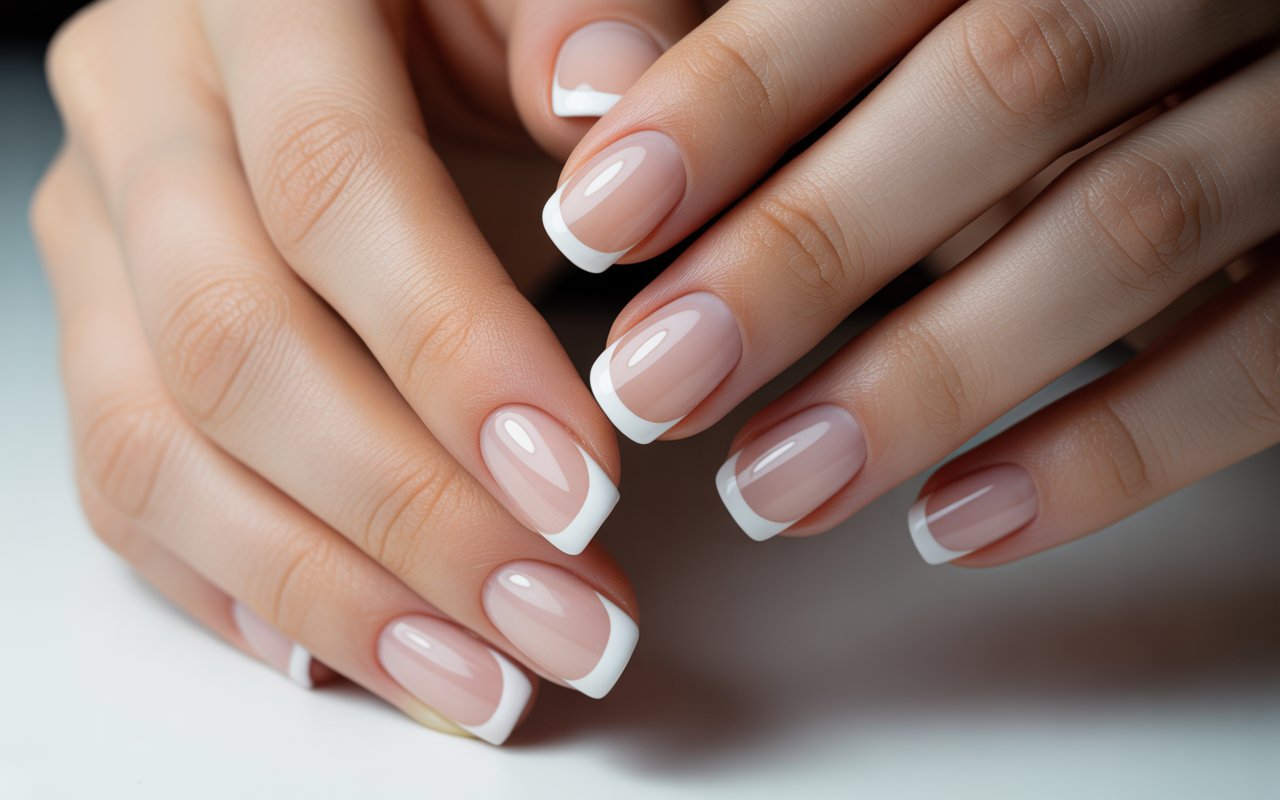
Your nails face constant exposure to water, cleaning chemicals, sunlight, and temperature changes.
Wearing gloves while washing dishes or using cleaning products helps prevent damage. Harsh detergents can strip natural oils from nails.
Cold weather can also dry out nails, while excessive sun exposure may weaken them over time.
Think of gloves as a shield—they protect the delicate structure of your nails from daily stress.
Nail Care for Different Lifestyles
Not everyone has the same routine, and nail care should match your lifestyle.
If you work with your hands often, shorter nails are more practical and less prone to breakage. If you enjoy fashion and grooming, you might prefer longer or shaped nails with polish.
Athletes, students, office workers, and homemakers all have different needs—but the basics remain the same: cleanliness, hydration, and protection.
Customizing your care routine makes it easier to maintain consistency.
Signs Your Nails Need Extra Attention
Sometimes nails show early warning signs that something is off:
- Persistent splitting or peeling
- Yellow or unusual discoloration
- White spots or ridges
- Pain around the nail area
These signs may indicate nutritional deficiencies, overuse of products, or underlying health issues.
If problems continue, it’s important to adjust your routine or seek advice from a professional.
Listening to your nails is just as important as styling them.
Simple At-Home Nail Care Routine
A basic weekly routine can make a big difference:
- Clean nails gently
- Trim and file edges
- Soak hands in warm water for softness
- Push back cuticles carefully
- Apply moisturizer or oil
This routine doesn’t require expensive tools or salon visits. Consistency matters more than complexity.
Even 15–20 minutes a week can transform the appearance and strength of your nails over time.
The Role of Patience in Nail Growth
Nails grow slowly—on average, just a few millimeters per month. That means improvements won’t happen overnight.
Many people expect instant results, but nail care is more like gardening than painting. You plant habits, nurture them, and see gradual growth.
If you stay consistent, you’ll notice stronger texture, smoother surfaces, and fewer breaks.
Patience is the hidden ingredient behind every healthy nail transformation.
Conclusion
Caring for your nails doesn’t require complicated routines or expensive treatments. It’s about small, consistent habits—cleaning, moisturizing, protecting, and nourishing them from within.
When you start paying attention to these details, your nails naturally become stronger and more attractive. They begin to reflect not just beauty, but care and discipline.
Think of it this way: your nails are like tiny mirrors of your daily habits. Treat them well, and they’ll quietly show the results.
FAQs
1. How often should I trim my nails?
It depends on growth speed, but most people benefit from trimming every 1–2 weeks to maintain cleanliness and shape.
2. Why are my nails breaking so easily?
Brittle nails can be caused by dryness, frequent exposure to water, or lack of nutrients like biotin and iron.
3. Is it bad to use nail polish regularly?
Not necessarily, but giving your nails breaks between applications helps prevent weakening and discoloration.
4. What is the best way to strengthen weak nails?
Moisturizing regularly, eating a balanced diet, and avoiding harsh chemicals can gradually improve nail strength.
5. Can nails show signs of health problems?
Yes, changes in color, texture, or growth patterns can sometimes reflect underlying health or nutritional issues.