







If you’ve ever wondered what daily life looks like from the inside of motherhood, you’re not alone. There’s a whole universe behind that simple word mom, filled with big emotions, tiny moments, invisible labor, and joyful surprises. This article takes you inside a mother’s perspective — not as a rulebook, not as a lecture, but as a story, a feeling, a way of seeing the world that reshapes everything it touches.
Think of this viewpoint like a pair of glasses that suddenly comes with a heart-shaped lens. The world doesn’t just look different; it feels different. A dirty sock becomes a battle, a giggle becomes music, and a sleepy hug can turn a terrible day into a good one. Welcome into that world.
What “Mom POV” Really Means
When people talk about viewing life from a mother’s perspective, they’re not just talking about watching kids play or packing lunches. It’s about how a woman’s identity grows and stretches once she has someone depending on her almost completely.
From this angle, everyday life carries extra layers:
-
Safety becomes more important than style.
-
Time becomes measured in nap windows, not minutes.
-
Love becomes louder than fear — although fear never really leaves.
It’s not about perfection. It’s about presence. It’s about standing in the middle of chaos with one sock in your hand and wondering how it all got so big, so fast.
The Emotional Landscape: Love, Guilt, and Everything in Between
Motherhood isn’t just emotional — it’s emotional weather. One minute the sun is shining, the next there’s a storm inside your chest.
There’s love that feels heavier than gravity. There’s worry that shows up at 2 a.m. uninvited. There’s guilt for snapping, for resting, for not resting, for wanting a moment alone, and then missing your child the second you get it.
And yet… there’s laughter that fills rooms. There’s pride that sneaks up when you hear your child say a new word. There’s a quiet joy in watching someone grow because of you.
It’s messy. It’s beautiful. It’s real.
The Mental Load Nobody Talks About

Do you know how many things a mother keeps in her head at any given moment?
Doctor appointments. School reminders. What size shoes the kids wear. Whether there’s milk in the fridge. Which child hates carrots this week. Who needs a permission slip. Who’s pretending to be sick. When the laundry was last done. When it needs doing again.
This constant background thinking is exhausting — not physically, but mentally. It’s like running a browser with 37 tabs open and forgetting which one is playing music.
From the outside, it looks like nothing.
From the inside, it sounds like a buzzing engine that rarely shuts off.
Daily Life Through Mom Eyes
Morning doesn’t start after coffee. It starts when someone cries, calls, or climbs into bed. The day flows in fast-forward — meals, messes, moods, car rides, forgotten backpacks, late-night laundry.
What nobody tells you is how repetitive it can feel. The same stories, same spills, same requests for snacks.
And yet… a single moment can change everything.
A child says “I love you” without being asked. A sleepy forehead leans into your shoulder. A drawing appears with stick figures labeled Mom.
Suddenly, the ordinary feels extraordinary.
The Body Changes and So Does Self-Image
Motherhood leaves marks — some visible, some hidden.
Stretch marks become battle scars. Tired eyes tell stories no one sees. A body that once felt like your own becomes a shared home before slowly coming back to you, a little different, a little stronger.
It takes time to look in the mirror and recognize yourself again. It takes courage to embrace change instead of fighting it. It takes gentleness to speak kindly to a body that has done something huge.
This isn’t about “bouncing back.”
It’s about moving forward.
Relationships After Becoming a Mom
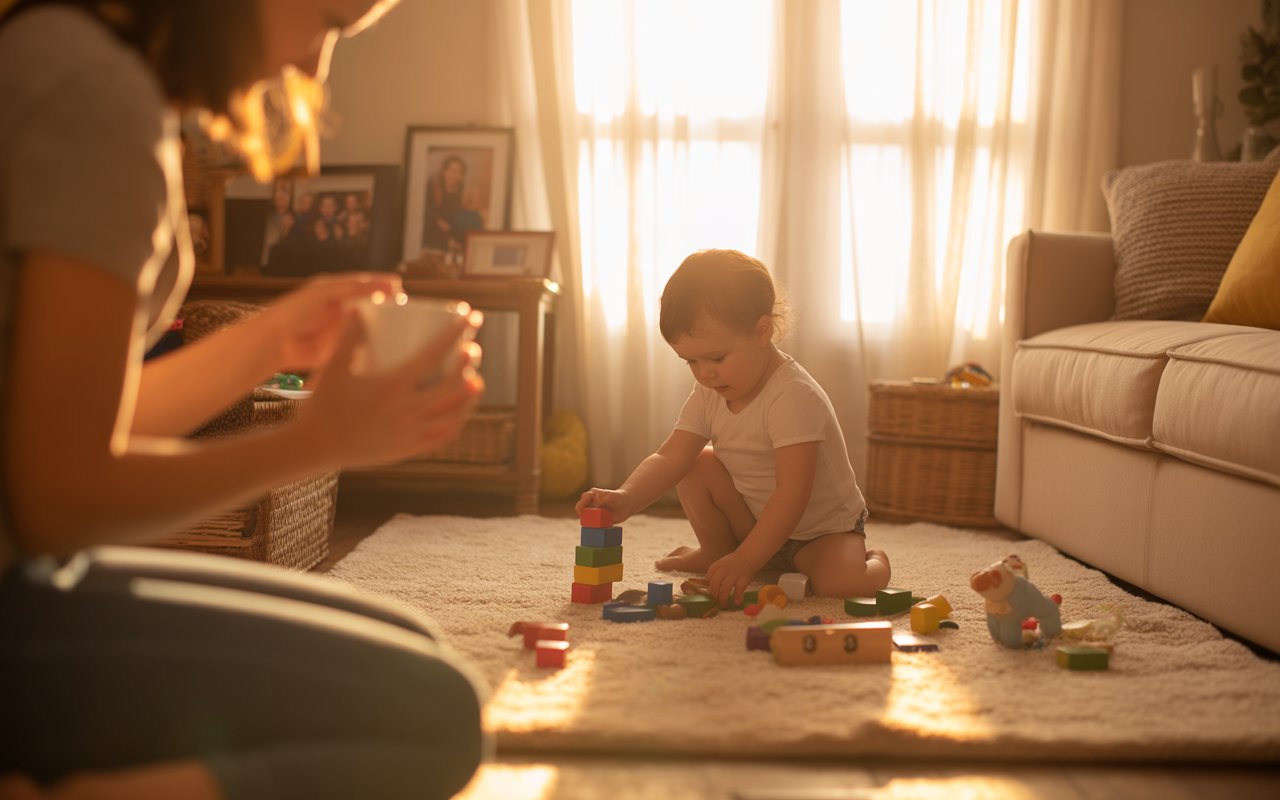
Romantic relationships change. Friendships shift. Family dynamics rewrite themselves.
A mother may love her partner deeply and still feel lonely. She may crave adult conversation and feel guilty for wanting space from her children. She may reconnect with her own mother in ways she never imagined.
Things move. Roles evolve. People grow — or grow apart.
And through it all, a woman learns that she doesn’t need to explain her growth to anyone.
Joy in the Smallest Places
Here’s a secret: the magic isn’t in birthdays and big events.
It’s in the quiet stuff.
It’s in bedtime stories.
It’s in spilled cereal that ends in giggles.
It’s in socks folded too small.
It’s in whispered secrets under blankets.
A mom learns to collect these moments like tiny jewels. Over time, they fill rooms in her heart even when the house is quiet.
It’s not loud joy.
It’s lasting joy.
Fear, Safety, and Constant Protection Mode
Motherhood unlocks a new skill: scanning environments like a detective.
Every room is evaluated. Every stranger noticed. Every silence inspected.
There’s fear — not dramatic fear — quiet fear.
Will they be okay? Am I doing this right? Did I say the wrong thing? Did I miss something important?
But there’s also courage.
Because somehow, despite the worry, she keeps going. Loving. Guiding. Standing between her child and a world she can’t fully control.
Growth in Unexpected Ways

Before children, many women think they know who they are.
After children, they find out.
Patience grows.
Strength deepens.
Empathy expands.
A mom changes not because her life ends — but because it widens.
Suddenly, her heart can hold more than she ever imagined.
Letting Go While Never Letting Go
Children grow. It happens quietly and then all at once.
Shoes get smaller in your hands. Voices grow louder. Independence knocks.
A mother learns the art of releasing — not from love, but with love.
It’s like holding a kite string. You don’t cut it. You loosen it. Just enough.
Finding Identity Again
Many mothers don’t ask “Who am I?” out loud.
But they feel it.
Somewhere between midnight feedings and school meetings, a woman may wonder where she went.
And the truth?
She didn’t disappear.
She expanded.
It takes time, but she’ll find new pieces of herself — not instead of being a mother, but because of it.
Conclusion: A Perspective Worth Understanding
Seeing the world from a mother’s eyes changes how you understand love, patience, exhaustion, and joy. It’s not a single experience — it’s a lifetime of moments stacked on each other like pages in a diary written by heart.
Motherhood is not about being perfect.
It’s about showing up.
Again.
And again.
And again.
FAQs
1. Is motherhood always emotionally overwhelming?
Not always, but often intense. Some days feel calm and organized, while others feel chaotic and heavy. All emotions — even the contradictory ones — are normal.
2. Why do many mothers feel exhausted even when they seem “not busy”?
Because mental work can be more draining than physical labor. The constant planning, worrying, and remembering takes energy that people don’t see.
3. How do moms balance personal identity with parenting?
It takes time and intention. Rediscovering hobbies, friendships, and personal goals helps maintain a sense of self beyond caregiving.
4. Do mothers ever stop worrying about their children?
Not really. The worries change shape over time, but that protective instinct stays alive long after the toddler years.
5. What’s the most difficult part of motherhood from a mom’s point of view?
The emotional weight — wanting to do everything right while knowing it’s impossible. The pressure can feel heavy, even when love makes it worthwhile.