




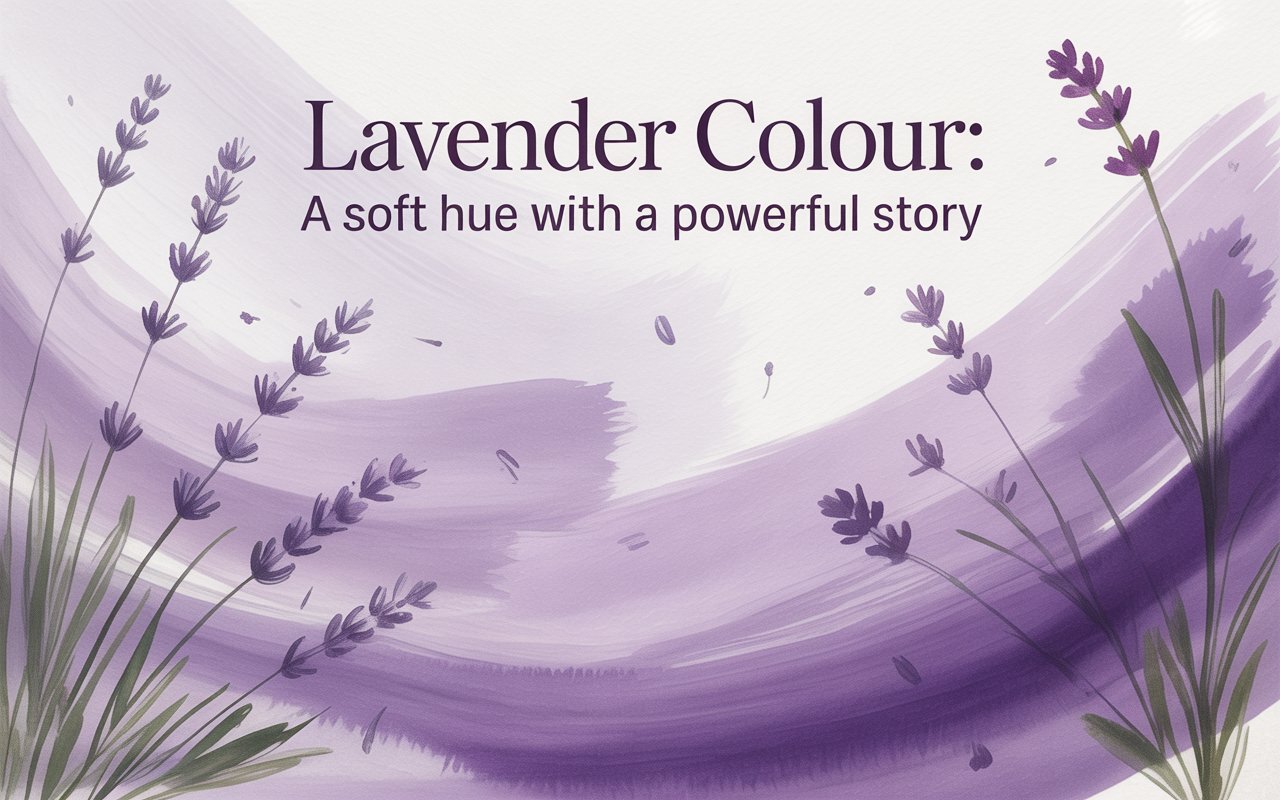

When you think of calmness, charm, and a touch of mystery, what colour comes to mind? For many of us, it’s lavender. This gentle shade, resting somewhere between purple and lilac, carries a personality that’s both soothing and expressive. Whether you’ve admired it in a sunset, worn it in an outfit, or smelled it in a cosy candle, you’ve likely felt the quiet magic this colour brings.
In this comprehensive guide, we’ll explore everything about the lavender hue—from its meaning and psychology to its role in fashion, design, nature, culture, and even everyday life. Think of this article as a calm walk through a lavender field, where each step reveals something new and beautiful.
H2: What Makes Lavender Colour Unique?
The Origins of the Lavender Hue
Lavender isn’t just a colour; it’s also a plant. The shade we now associate with elegance and serenity originally came from the soft petals of the lavender flower. Over time, artists, designers, and everyday people began using the hue to represent gentleness and subtle beauty. It’s a colour that feels neither too bold nor too dull—just perfectly balanced.
A Blend of Soft Tones
If you look closely, lavender is a mix of light purple with a hint of blue. This cool undertone gives it an airy, almost dreamy feel. Unlike deep purple, which signals royalty and drama, lavender is calm and youthful. It has an understated charm that works well both indoors and outdoors.
H2: The Psychology Behind Lavender
Calming and Healing Energy
Ever wondered why spas, meditation studios, and wellness centers love using soft purples? Lavender is associated with peace, emotional healing, and relaxation. It’s the colour equivalent of taking a slow, deep breath—instantly soothing.
Creativity and Imagination
Lavender also sparks creativity. It carries an air of inspiration without overwhelming the senses. Writers, painters, and creators often enjoy working in environments accented with lavender because it helps stimulate ideas gently and steadily.
A Feminine Yet Modern Touch
While lavender is historically linked to femininity, modern culture embraces it as a gender-neutral shade. Its lightness gives it a modern, progressive appeal, making it a common choice in branding and design.
H2: Lavender in Nature—More Than Just a Flower
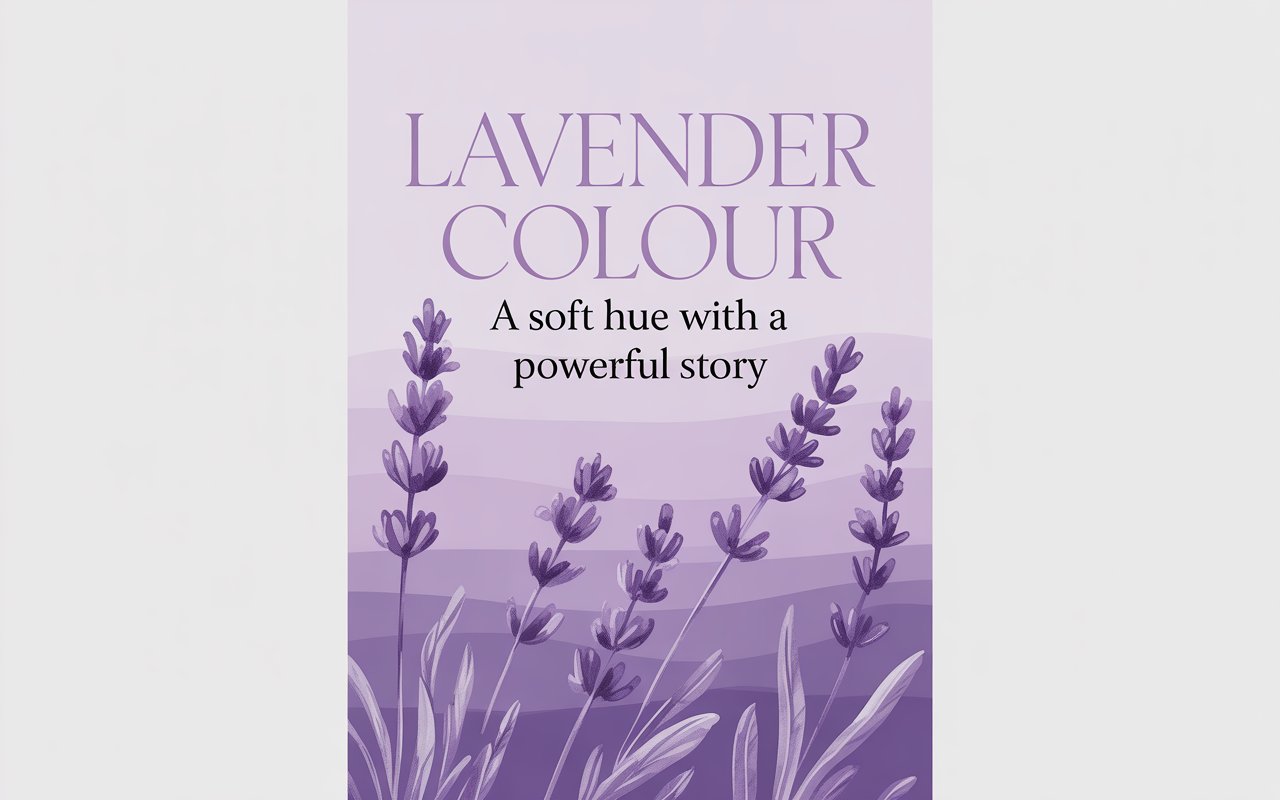
Fields That Look Like Paintings
Lavender fields, especially those in France, Portugal, and parts of Asia, create some of the world’s most stunning landscapes. These fields stretch endlessly, resembling purple oceans that sway with the wind. People travel from around the globe to witness their beauty during blooming season.
Seasonal Symbolism
Lavender blooms in summer, symbolising warmth, vitality, and growth. Many cultures associate the flower with protection and purity, making it a favourite in rituals, décor, and homemaking traditions.
H2: Lavender in Fashion—Soft, Stylish, and Timeless
A Versatile Wardrobe Choice
Lavender outfits have gained popularity in recent years. They look flattering on nearly every skin tone and age group. From evening gowns to everyday hoodies, this colour blends elegance with playfulness.
Accessories That Pop
If wearing a full lavender outfit feels intimidating, accessories are the perfect starting point. A lavender scarf, watch strap, purse, or pair of sneakers can effortlessly upgrade your style.
Symbolism in Clothing
Wearing lavender often signifies emotional strength, grace, and individuality. It’s gentle enough to appear subtle, yet unique enough to stand out in a tasteful way.
H2: Lavender in Interior Design—A Calm Home Essential
Soft Shades for Relaxing Spaces
Designers love using lavender in bedrooms, living rooms, and bathrooms. The shade instantly makes a space feel softer, cooler, and more relaxing—like applying a light filter to your home.
Pairing Lavender with Other Colours
-
White makes it appear brighter and fresher.
-
Grey gives it a modern, sleek vibe.
-
Gold adds luxury and warmth.
-
Green enhances nature-inspired interiors.
Whether you’re planning a full room makeover or adding small accents, lavender blends beautifully with both neutral and bold décor styles.
H2: Lavender in Art and Culture

A Historical Symbol of Refinement
In ancient times, lavender was associated with royalty and spirituality. Artists used it to represent purity, love, and introspection. Today, the shade still carries that refined aura.
Cultural Associations
Lavender is often linked with:
-
Peace
-
Healing
-
Spiritual awareness
-
Emotional clarity
In many cultures, the colour is used in ceremonies, art pieces, and traditional clothing.
H2: Lavender-Infused Products—A Growing Trend
Beauty and Self-Care Essentials
Lavender-scented lotions, candles, body washes, and oils are everywhere—and for good reason. The aroma is known for reducing stress and improving sleep quality. When paired with the colour itself, the experience becomes even more calming.
Lavender-Themed Home Items
You’ll find lavender-coloured bed linens, pottery, stationery, carpets, and even kitchenware. These items give homes a soft, elegant touch without being overwhelming.
Food and Beverages
Lavender-flavoured tea, cakes, syrups, and desserts have become quite trendy. Lavender lemonade, in particular, has become a favourite among people seeking refreshing drinks with a floral twist.
H2: Symbolic Meanings of Lavender Across Different Perspectives
Emotionally
Lavender represents tranquility, emotional balance, and healing energy. It’s often associated with a peaceful heart and a steady mind.
Spiritually
Many people believe lavender invites harmony. It’s connected with meditation, spiritual cleansing, and soulful reflection.
Socially
The shade is sometimes used to symbolise inclusivity and unity, especially in movements advocating peace and equality.
H2: Why People Love Lavender Colour
It’s Gentle Yet Expressive
Lavender speaks softly but makes a lasting impression. It doesn’t try too hard—it simply exists beautifully.
It Brings Positivity
The colour feels calming, uplifting, and refreshing—all at once. Think of lavender as that one friend who gives off good vibes without saying much.
It Fits Every Mood
Whether you’re decorating a room, choosing flowers, or picking an outfit, lavender can adapt to almost any theme or emotion.
H2: How Lavender Compares with Similar Colours
Lavender vs. Lilac
Lilac is slightly more pinkish, giving it a sweeter, more romantic vibe, while lavender leans cooler and more serene.
Lavender vs. Violet
Violet is richer and deeper, often associated with luxury and power. Lavender is lighter, gentler, and more calming.
Lavender vs. Purple
Purple often demands attention. Lavender whispers for it.
An easy way to remember?
Purple is the statement; lavender is the mood.
H2: Lavender in Modern Branding and Media
Why Brands Choose Lavender
Many companies use lavender tones to represent:
-
Calmness
-
Cleanliness
-
Wellness
-
Creativity
-
Modernity
It’s especially popular among brands in skincare, wellness, and tech.
Influence in Pop Culture
Movies, apps, and digital content often use lavender backgrounds and filters to create dreamy or emotional visuals. It’s a colour that instantly sets a soft and inviting tone.
Conclusion
Lavender is much more than a delicate shade you spot in flowers or home décor. It’s a colour tied to emotions, culture, creativity, and everyday life. Whether you’re wearing it, decorating with it, or simply admiring it in a sunset, lavender has a wonderful way of slowing life down and reminding us to breathe.
Think of lavender as a metaphorical soft blanket—it comforts, calms, and inspires without demanding attention. In a fast-paced world full of noise, this soothing hue feels like a peaceful pause we all need.
FAQs
1. What emotions does lavender colour usually represent?
Lavender often symbolises calmness, healing, creativity, and emotional balance. It brings a gentle and peaceful vibe wherever it’s used.
2. Is lavender considered a feminine colour?
While it has traditionally been linked with femininity, modern culture embraces lavender as a gender-neutral shade suitable for everyone.
3. Where is lavender colour best used in interior design?
It works beautifully in bedrooms, living rooms, bathrooms, and relaxation spaces—anywhere you want a soothing, fresh atmosphere.
4. How does lavender differ from lilac and violet?
Lavender leans cooler and softer, lilac is more pinkish and sweet, and violet is deeper and more dramatic.
5. Why is lavender popular in self-care products?
Its colour and scent together promote relaxation, reduce stress, and enhance the sense of calm, making it ideal for wellness and spa-related items.