





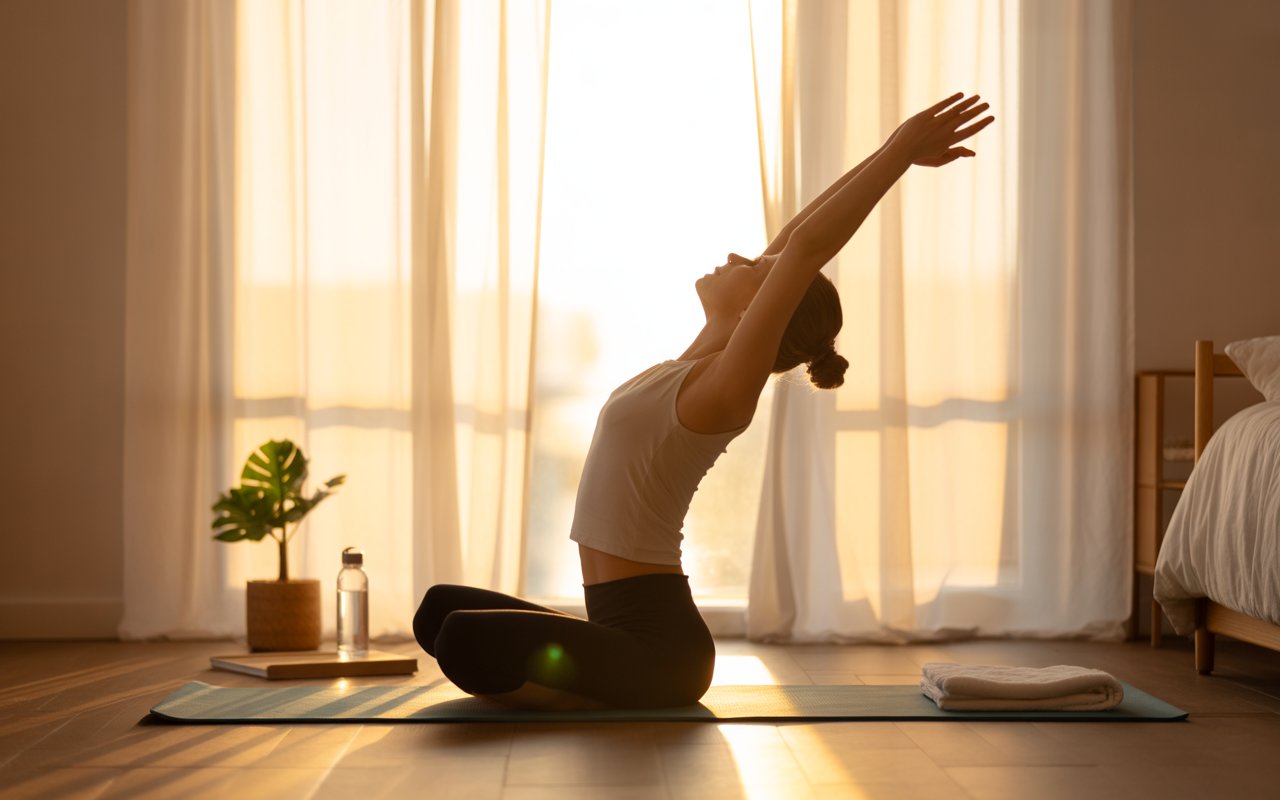

Have you ever noticed how some days feel smooth and energetic, while others feel slow and heavy right from the start? The difference often begins in the morning. What you do in the first 30 minutes after waking up quietly sets the tone for everything that follows. This is where a good morning exercise routine comes in—not as a punishment or a strict fitness rule, but as a gentle way to wake up your body and mind.
Think of your body like a car parked overnight in winter. You wouldn’t push the accelerator hard the second you start it, right? You let the engine warm up first. Morning movement works the same way. It helps your body “warm up” for the day ahead, no matter your age, fitness level, or lifestyle.
Let’s explore why morning activity matters, how to do it the right way, and how you can make it a natural part of your daily life without stress.
Why Morning Movement Matters More Than You Think
Morning exercise isn’t just about burning calories or building muscle. It’s about preparing your body and brain for the day ahead.
When you move in the morning, your blood circulation improves. More oxygen reaches your muscles and brain, which helps you feel alert instead of groggy. Your joints loosen up after hours of sleep, reducing stiffness and discomfort. Even light movement can gently signal to your body that it’s time to switch from rest mode to action mode.
Mentally, it works like opening the curtains to let sunlight in. Your mood often lifts, stress levels feel lower, and your thoughts become clearer. That’s why people who move in the morning often say they feel “more in control” of their day.
The Science Behind Morning Exercise and Energy Levels
Ever wonder why you feel more awake after moving around, even if you slept late? There’s science behind it.
Morning activity helps regulate hormones that control alertness and mood. Your body releases endorphins—often called “feel-good chemicals”—which naturally boost happiness and reduce stress. At the same time, gentle movement helps balance cortisol, the hormone linked to stress and wakefulness.
Another bonus? Morning exercise can improve sleep quality at night. By waking your body naturally in the morning, your internal clock becomes more balanced. Over time, this can help you fall asleep faster and enjoy deeper rest.
Mental Benefits: Starting the Day with a Clear Head
Let’s be honest—mornings can feel rushed and chaotic. A short exercise session can act like a mental reset button.
When you move your body, your focus improves. You’re less likely to feel overwhelmed by small problems. Instead of reacting emotionally, you respond calmly. It’s like cleaning your mental desk before starting work—everything feels more organized.
Many people also use morning movement as quiet “me-time.” No notifications, no demands—just a few minutes to breathe, stretch, and connect with themselves. That small habit can make a big difference in emotional well-being.
Physical Benefits: More Than Just Fitness
Good morning exercise supports your body in ways you may not immediately notice.
- Improved flexibility as muscles loosen after sleep
- Better posture from activating core and back muscles
- Joint health through gentle movement
- Stronger immunity due to improved circulation
Over time, these small daily movements add up. You may notice fewer aches, better balance, and more stamina during everyday tasks like walking, climbing stairs, or even sitting for long hours.
Types of Morning Exercises You Can Choose From
There’s no single “best” morning routine. The best one is the one you’ll actually do. Let’s break down a few popular options so you can find what suits you.
Stretching and Mobility Movements
Stretching is perfect if you want a calm start. It helps release tension built up overnight and improves range of motion. Neck rolls, shoulder circles, and gentle spinal twists can make your body feel lighter within minutes.
Walking or Light Cardio
A short walk—indoors or outdoors—can wake you up naturally. It raises your heart rate just enough to energize you without exhausting you. If possible, walking outside adds the benefit of fresh air and natural light.
Yoga or Flow-Based Movements
Yoga combines stretching, strength, and breathing. Morning yoga doesn’t have to be complex. Simple poses help with balance, flexibility, and calm focus. It’s especially useful if you feel stiff or stressed.
Strength-Based Bodyweight Exercises
If you prefer something more active, bodyweight movements like squats, wall push-ups, or light core exercises can be effective. They activate major muscle groups and build functional strength over time.
How Long Should a Morning Exercise Routine Be?
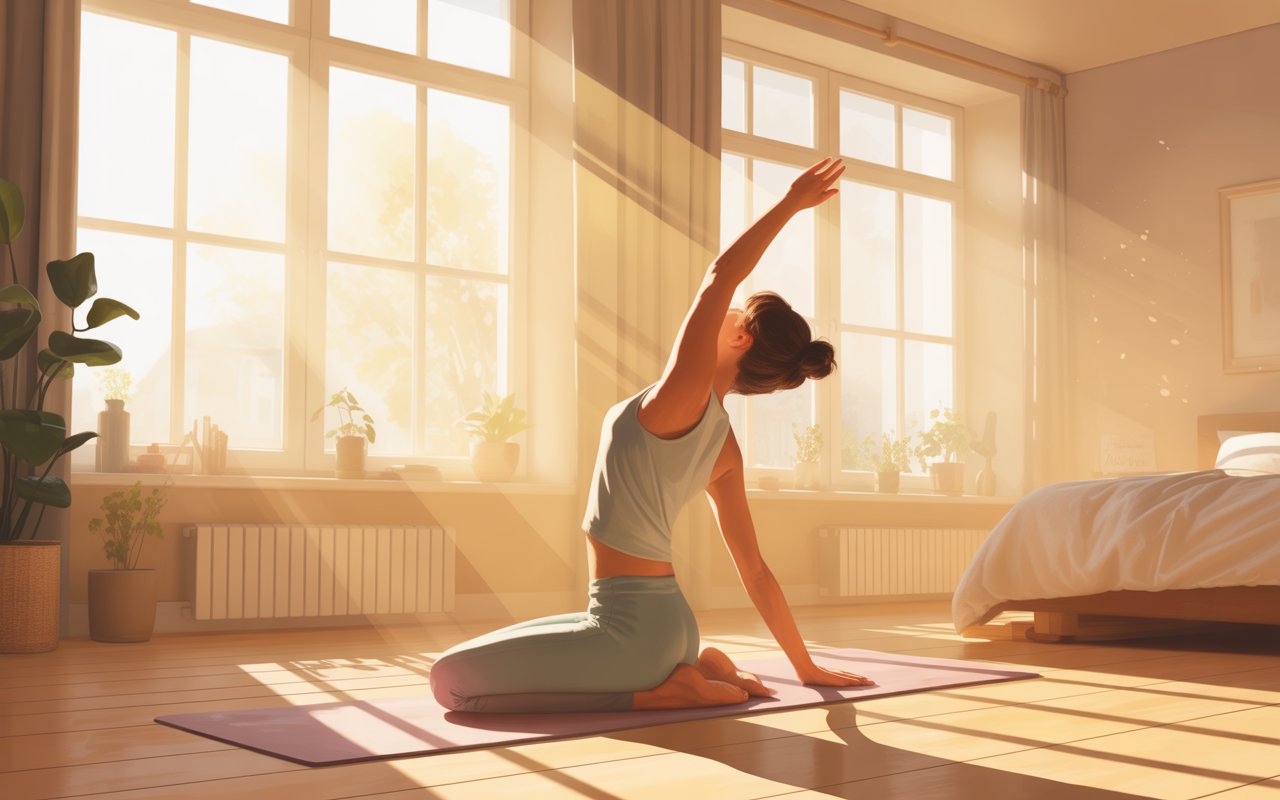
Here’s some good news: it doesn’t have to be long.
Even 5–10 minutes of movement can be beneficial. If you have more time, 20–30 minutes works well. The key is consistency, not duration. A short routine done daily is far better than a long workout done once a week.
Ask yourself: “What feels realistic for my mornings?” Start there. You can always build up later.
Best Time to Exercise After Waking Up
You don’t need to jump out of bed and start exercising immediately. Give your body a few minutes.
A good approach is:
- Wake up
- Drink a glass of water
- Move lightly within 10–30 minutes
This allows your body to hydrate and fully wake up. Listen to how you feel. Some people need a little more time, and that’s perfectly okay.
Common Mistakes to Avoid in Morning Exercise
Morning movement should feel supportive, not stressful. Here are a few mistakes to watch out for:
- Doing too much too soon: Overworking your body early can lead to fatigue or injury
- Skipping warm-up movements: Your muscles need gentle preparation
- Comparing yourself to others: Everyone’s body is different
- Being inconsistent: Random routines don’t build habits
Remember, the goal is to feel better after—not exhausted.
How to Build a Sustainable Morning Exercise Habit
Starting is easy. Sticking with it is the real challenge. The secret lies in simplicity.
- Keep your routine short and easy
- Exercise at the same time each morning
- Lay out comfortable clothes the night before
- Focus on how it makes you feel, not how it looks
Treat morning exercise like brushing your teeth—non-negotiable, but not complicated.
Morning Exercise for Different Age Groups
One of the best things about morning movement is that it’s for everyone.
- Young adults benefit from energy and focus
- Middle-aged individuals enjoy joint support and stress relief
- Older adults gain balance, mobility, and independence
The intensity may change, but the benefits remain.
Nutrition and Hydration Before Morning Exercise
You don’t need a heavy meal before moving in the morning. In fact, light is better.
A glass of water is usually enough. If you feel low on energy, a small snack like fruit can help. After exercise, a balanced breakfast supports recovery and keeps energy steady.
Making Morning Exercise Enjoyable, Not a Chore
If you hate your routine, you won’t stick to it. Make it enjoyable.
Play soft music. Open a window. Change exercises when you feel bored. Think of it as a gift to yourself, not an obligation. When movement feels good, motivation follows naturally.
Conclusion: Small Morning Moves, Big Life Changes
Good morning exercise doesn’t require a gym, fancy equipment, or perfect motivation. It simply asks for a few minutes of your time and a willingness to move. Like planting a small seed, the results may not show immediately—but over time, they grow into better energy, clearer thinking, and a healthier body.
Start where you are. Move how you can. And let your mornings work for you, not against you.
Frequently Asked Questions (FAQs)
Is it okay to exercise on an empty stomach in the morning?
Yes, light movement is generally fine without food. Listen to your body and eat if you feel weak or dizzy.
Can morning exercise help reduce stress?
Absolutely. Gentle movement releases calming chemicals in the brain and helps you feel more relaxed.
What if I’m not a morning person?
You don’t need intense workouts. Simple stretching or walking is enough to build the habit slowly.
How soon will I notice benefits from morning exercise?
Many people feel more energy and better mood within a few days, while physical changes take longer.
Is morning exercise suitable for beginners?
Yes, beginners often benefit the most, as routines can be easily adjusted to comfort and ability.