





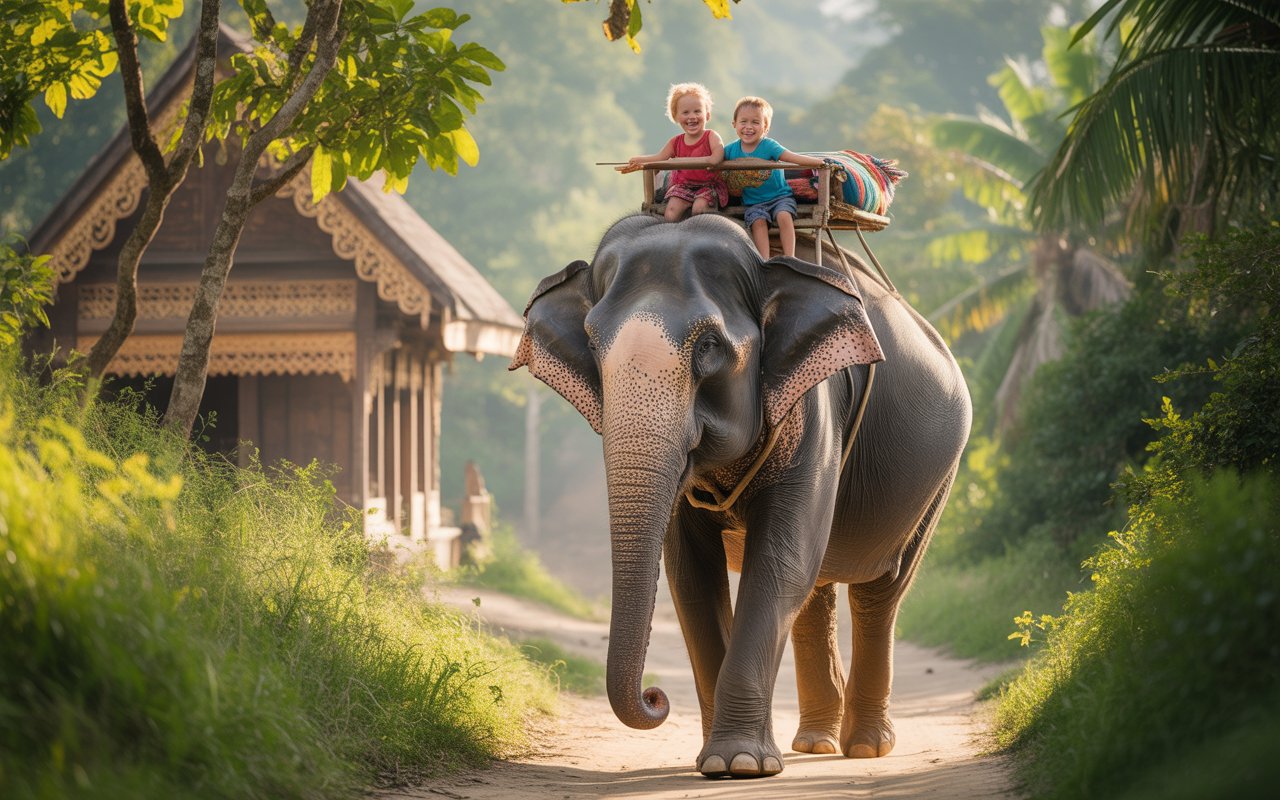

If you’ve ever traveled to countries like Thailand, India, or Sri Lanka, chances are you’ve seen tourists climbing onto elephants for a ride. At first glance, it looks magical—like stepping into a storybook where humans and giant animals share a journey together. But is the experience truly as harmless as it appears? Elephant rides have fascinated people for centuries, yet today, they spark heated debates about culture, adventure, and animal welfare.
This article takes you on a deep dive into the world of elephant rides—covering their history, cultural significance, modern tourism, ethical dilemmas, and even alternatives that let you connect with elephants without causing harm. Think of it like peeling back the layers of an onion: the more we explore, the more insights we uncover.
The Timeless Bond Between Humans and Elephants
For centuries, elephants have been more than just animals. In many cultures, they’re seen as symbols of wisdom, strength, and even divinity. Ancient kings used them in wars and parades, farmers relied on them to haul heavy loads, and communities revered them in rituals.
The idea of riding elephants didn’t begin with tourists. In fact, it was part of daily life for royalty, hunters, and workers who needed these massive creatures to cross dense forests or rivers. In a way, elephants were the “trucks” and “tanks” of ancient times—giant partners in survival and prestige.
Elephant Rides in History and Tradition
Elephant riding can be traced back thousands of years. In India, elephants played a central role in royal ceremonies and religious processions. In Southeast Asia, they were integral to logging industries, helping transport massive tree trunks where machines couldn’t go.
In many parts of the world, these rides weren’t just for leisure—they were practical. Climbing on an elephant meant traveling across tough landscapes with ease. Even today, in some rural regions, elephants are still used for transportation and ceremonial purposes.
The Thrill of Riding an Elephant
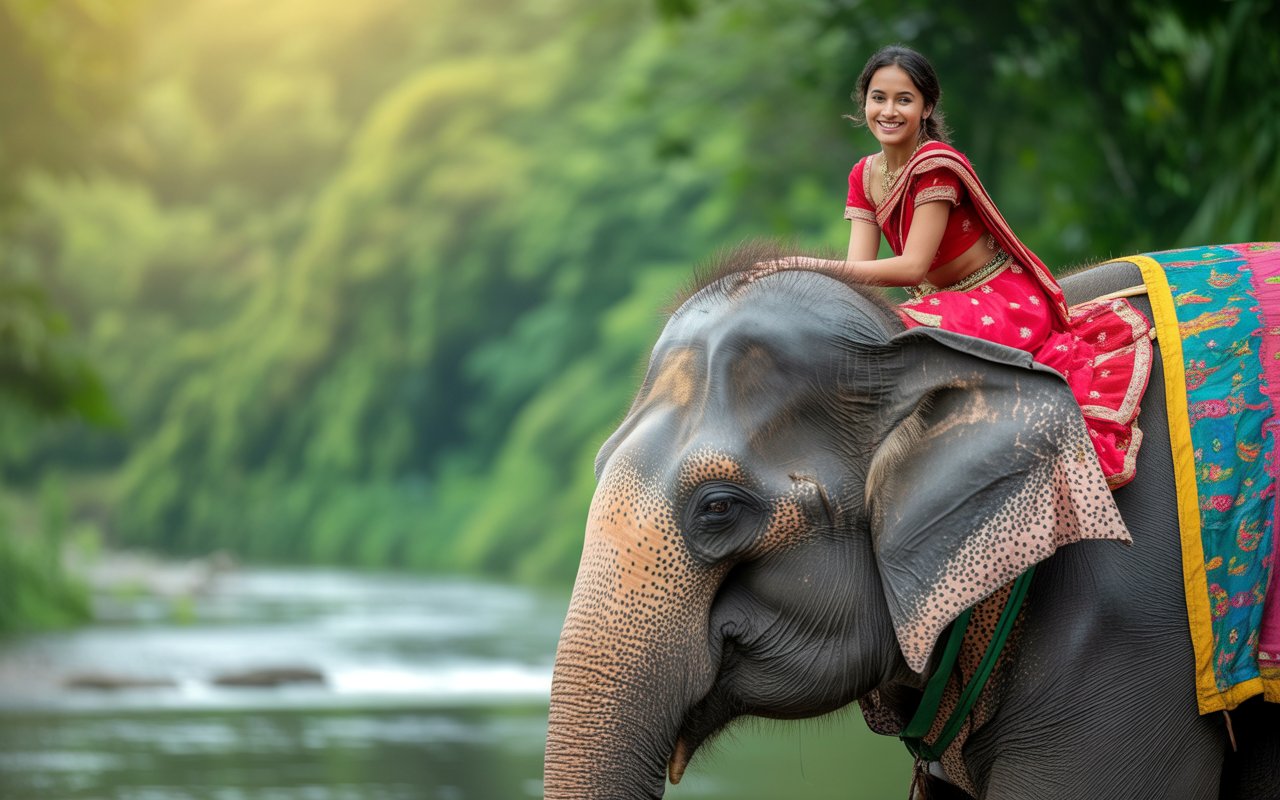
Let’s be honest: there’s something undeniably exciting about sitting on top of such a gentle giant. Tourists often describe the experience as surreal—the slow, rhythmic sway of the elephant’s walk, the height that offers a bird’s-eye view of jungles or rivers, and the sheer awe of sharing a moment with one of the planet’s most remarkable and wise creatures.
For many, it’s a bucket-list activity, a memory etched in photographs and stories. It feels adventurous, almost like stepping into an ancient epic where humans and elephants journey side by side.
Why Elephant Rides Became a Tourist Attraction
The rise of global tourism turned elephant rides into a business. In the mid-20th century, as international travel became more affordable, destinations like Thailand, Cambodia, and Laos marketed elephant rides as exotic adventures. Travelers eager for authentic experiences were drawn to the chance to ride elephants through jungles or visit temples atop them.
Tour companies quickly caught on, turning elephant rides into headline attractions across brochures, social media posts, and travel videos. What once was a cultural or practical activity turned into a commercial attraction.
Behind the Scenes: How Elephants Are Trained
Here’s where the picture becomes less glossy. Many people don’t realize that training elephants to give rides often involves harsh methods. In some cases, young elephants are separated from their mothers and subjected to “breaking” rituals—methods aimed at making them submissive.
While not all camps use cruel practices, the reality is that controlling such massive creatures requires a level of dominance that isn’t always kind. Chains, hooks, or limited freedom are sometimes used, raising serious concerns about the ethics of elephant riding.
The Ethical Dilemma: Should You Ride an Elephant?
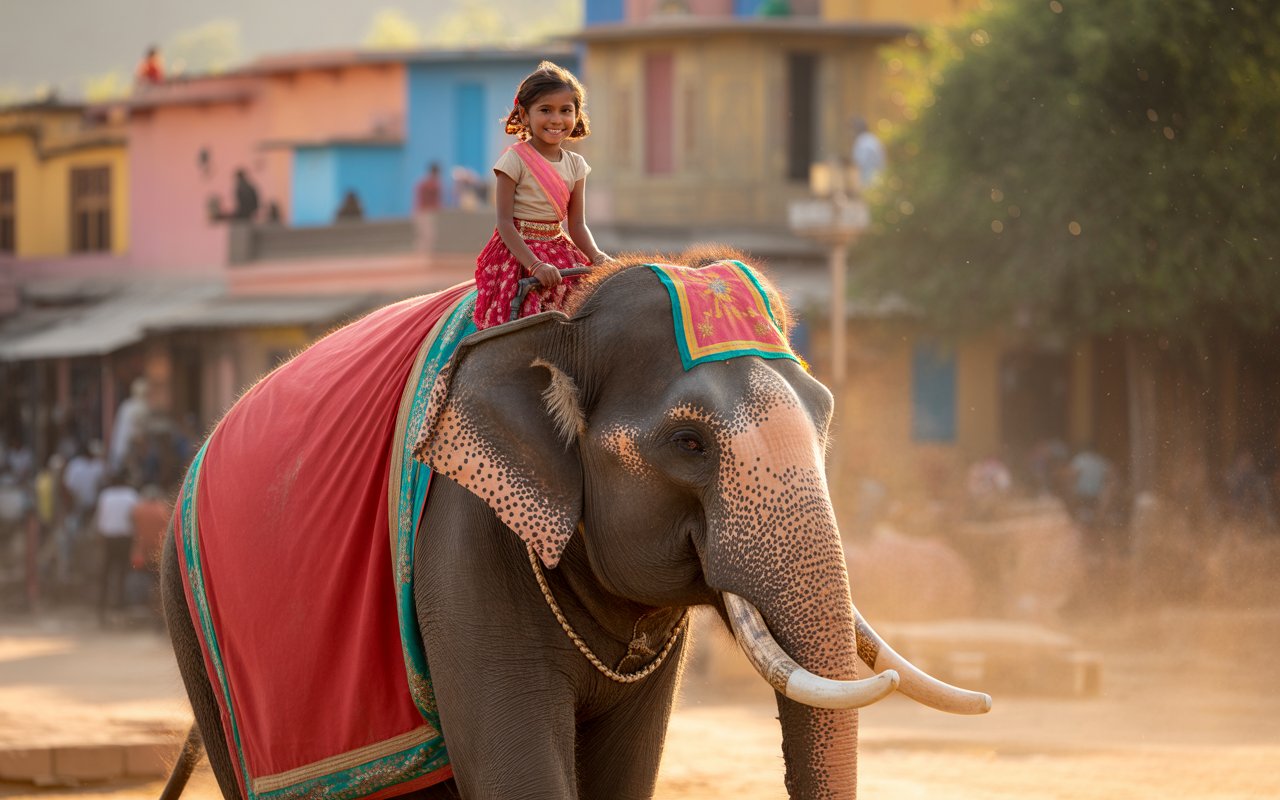
This is the heart of the debate. On one hand, elephant rides support local communities by bringing in tourism revenue. They provide jobs for mahouts (elephant caretakers), guides, and tour operators. Yet on the flip side, the well-being of the elephants hangs in the balance.
Picture hauling a massive backpack for hours on end, day after day.”. Now, multiply that by dozens of times, and you’ll understand how an elephant might feel carrying tourists. Their spines aren’t naturally built to bear loads for long periods, and the repetitive stress can cause long-term injuries.
So, the question becomes: is our desire for adventure worth the cost to these animals?
Cultural Significance vs. Modern Awareness
It’s important to remember that elephant rides aren’t just tourist gimmicks—they’re tied deeply to traditions. In places like Jaipur, India, elephants still carry people to historic forts as part of a long-standing heritage. Supporters often justify these traditions as a way to preserve cultural heritage.ess is changing perspectives. Awareness is shifting, with travelers now more mindful of ethical tourism. Many seek to honor cultural traditions without causing harm, creating an ongoing dialogue between heritage and animal welfare.
But modern awareness is changing perspectives. Travelers today are more conscious of ethical tourism. Many want to support cultural practices while avoiding harm. This tension between respecting tradition and promoting animal welfare continues to shape the conversation.
Alternatives to Riding Elephants
The good news? You don’t need to ride an elephant to experience the magic of being close to them. Ethical sanctuaries around the world now offer opportunities to walk alongside elephants, feed them, or watch them bathe in rivers.
These activities let you appreciate their intelligence and personality without causing physical harm. It’s like shifting from being a passenger to being a companion—sharing space with elephants rather than using them as transport.
Some popular alternatives include:
-
Sanctuary visits: Watch elephants roam freely and learn about their stories.
-
Feeding sessions: Hand elephants treats like bananas or sugarcane and watch their playful personalities come alive
-
Bathing experiences: Help scrub elephants in rivers, a bonding activity that feels natural.
-
Walking tours: Trek alongside elephants as they forage in their natural habitat.
The Role of Tourism in Elephant Conservation
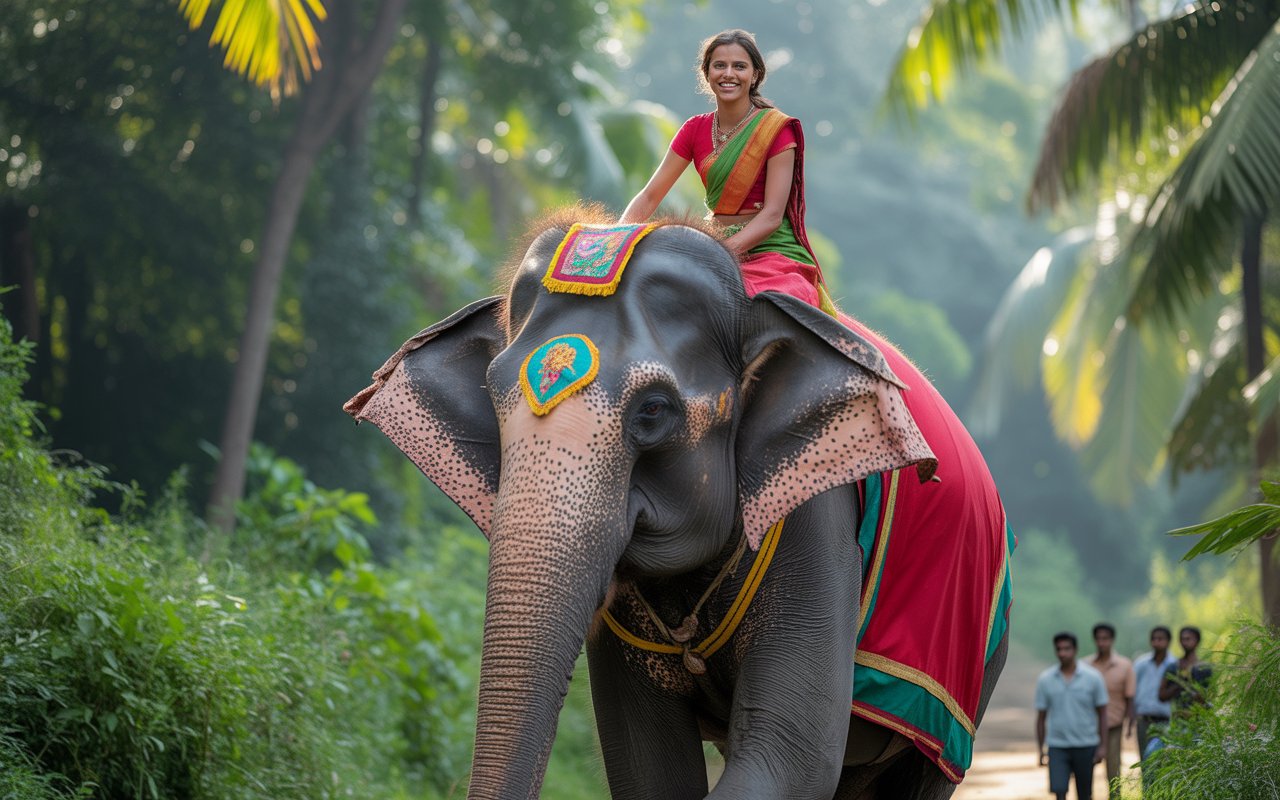
Here’s a twist: tourism can actually help elephants—if done right. Ethical tourism channels funds into conservation, veterinary care, and habitat preservation. By choosing responsible operators, travelers can ensure that their money supports protection rather than exploitation.
In fact, many former elephant camps have reinvented themselves as sanctuaries, focusing on education and welfare instead of rides. This transformation shows that change is possible when demand shifts.
How to Choose Responsible Elephant Experiences
If you’re planning a trip and elephants are on your must-see list, here are some tips to ensure your experience is ethical:
-
Do your research: Look for sanctuaries with transparent practices.
-
Avoid shows or tricks: If elephants are painting, dancing, or performing, it’s likely they’ve been trained unnaturally.
-
Check reviews: Travelers often share honest feedback about whether elephants looked healthy and free.
-
Support local communities: Ethical tourism can still benefit people without harming animals.
By asking the right questions, you become part of the solution.
The Future of Elephant Rides
So, what’s next? Around the world, many regions are slowly phasing out elephant rides in favor of sanctuary-style tourism. As awareness grows, fewer travelers want to participate in practices linked to animal suffering.
Some countries have already set regulations limiting elephant use in tourism, while others encourage eco-friendly alternatives. The future seems to be leaning toward experiences that let people admire elephants without climbing on their backs.
Like a river changing its course, the industry is flowing toward a more compassionate path. And that’s a hopeful sign.
A Personal Reflection: What Elephants Teach Us
Spending time with elephants, whether riding them in the past or walking beside them today, leaves most people with one lasting impression—these animals are deeply intelligent and emotional. They form family bonds, grieve their dead, and even show empathy.
In many ways, being around elephants teaches us about ourselves. Their patience, strength, and gentleness remind us to slow down and respect the natural world. Perhaps the true ride isn’t on their backs, but alongside them—walking into a future where humans and animals coexist with dignity.
FAQs
1. Are elephant rides safe for tourists?
Generally, yes, but elephants are unpredictable wild animals. Even trained elephants can pose risks, making safety a concern for both riders and caretakers.
2. Do elephant rides hurt the animals?
Yes, in many cases. Their spines aren’t designed to carry heavy loads, and prolonged rides can lead to injuries and stress.
3. Where can I interact with elephants ethically?
Look for certified sanctuaries in Thailand, Cambodia, Sri Lanka, and parts of Africa. These places allow observation, feeding, and walking alongside elephants without exploiting them.
4. Why do some cultures still use elephants for riding?
In certain regions, elephants remain part of tradition, ceremonies, or practical needs, especially in areas where machinery can’t replace them.
5. What’s the best alternative to elephant riding?
Walking tours, feeding sessions, or bathing experiences at sanctuaries are the most humane alternatives, offering a meaningful connection without harm.
Conclusion
Elephant rides are more than just a tourist activity—they’re a window into history, culture, adventure, and ethics. While the thrill of riding an elephant is undeniable, the growing awareness of animal welfare invites us to rethink our choices.
By supporting ethical alternatives, travelers can still experience the wonder of elephants while ensuring these gentle giants live freely and healthily. After all, true adventure isn’t about conquering nature—it’s about respecting it.