





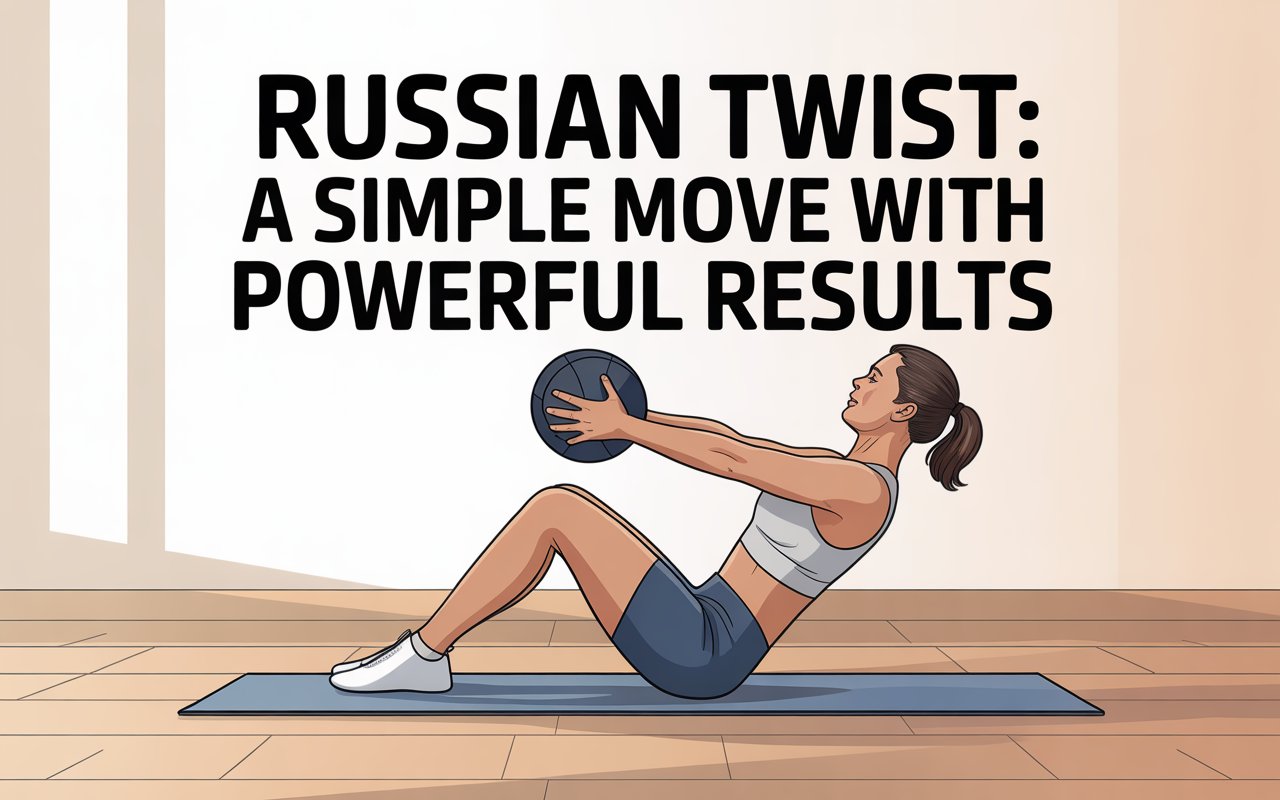

If you’ve ever watched someone working out on the floor, leaning back slightly and twisting side to side, you’ve probably seen the Russian twist in action. At first glance, it looks almost too simple to be effective. But don’t let that fool you. This exercise is like a small key that opens a big door—it targets your core, challenges your balance, and builds strength in ways that surprise many people.
So why has this move become so popular in gyms, home workouts, and sports training programs around the world? And more importantly, how can the average person do it safely and get real benefits from it? Let’s break it all down together.
What Is a Russian Twist?
The Russian twist is a core-focused exercise performed while sitting on the floor. You lean back slightly, lift your feet or keep them grounded, and rotate your torso from side to side. Each twist engages your abdominal muscles, especially the ones responsible for rotation.
Think of your core like the trunk of a tree. The stronger it is, the better the branches (your arms and legs) can move and perform. This exercise helps strengthen that “trunk,” making everyday movements easier and sports performance stronger.
Despite its name, the move doesn’t require any special background or athletic ability. Anyone—from beginners to experienced fitness enthusiasts—can adapt it to their level.
Why Is It Called the Russian Twist?
The exact origin of the name isn’t perfectly documented, but many fitness experts believe it became popular through athletic training programs that focused on rotational strength. Some link it loosely to Eastern European training styles that emphasized strong, stable cores for athletes.
Regardless of where the name came from, the movement itself has stood the test of time.It delivers real results with minimal effort and works anywhere, no equipment needed.That’s probably why it spread so widely and became a staple exercise across the globe.
Muscles Worked During a Russian Twist
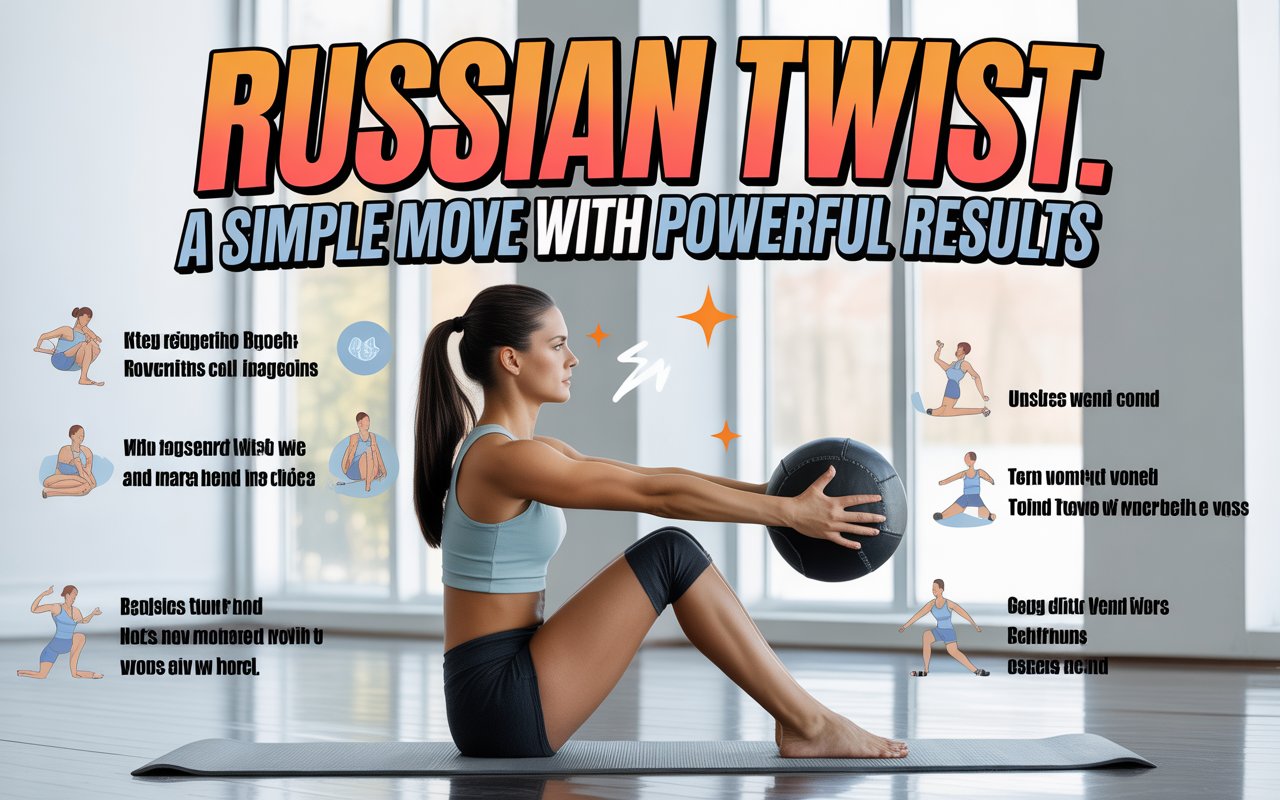
One reason this exercise is so effective is that it doesn’t rely on just one muscle. Instead, it activates several key areas at once.
Core Muscles
Your obliques—the muscles on the sides of your abdomen—do most of the work. These are responsible for twisting and bending movements. Your deep core muscles also step in to stabilize your body as you rotate.
Lower Back Support
While the lower back isn’t the main target, it plays a supporting role. A controlled twist helps strengthen the muscles that protect your spine.
Hip Flexors and Balance Muscles
If your feet are lifted off the ground, your hip flexors and stabilizing muscles get involved too. This adds an extra balance challenge, making the move more dynamic.
How to Perform a Russian Twist Correctly
Doing this exercise the right way matters more than how fast you move or how much weight you use.
Sit on the floor with bent knees and grounded feet, lean back just enough to engage your core, and keep your spine tall from head to hips. Clasp your hands together in front of you.
Now, gently rotate your torso to one side, bringing your hands toward the floor beside your hip. Come back to the starting position before rotating smoothly to the opposite side. That’s one repetition.
Move slowly and with control. Rushing through it is like trying to read a book by flipping pages too fast—you miss the point entirely.
Common Mistakes People Make
Even though the movement looks simple, small errors can reduce its effectiveness or cause discomfort.
One common mistake is rounding the back. This puts unnecessary strain on the spine. Another issue is using momentum instead of muscle control, which often happens when people twist too quickly.
Some also hold their breath without realizing it. Breathing steadily helps maintain control and keeps your muscles working efficiently.
Paying attention to these details can make a big difference in how your body responds.
Variations to Suit Every Fitness Level
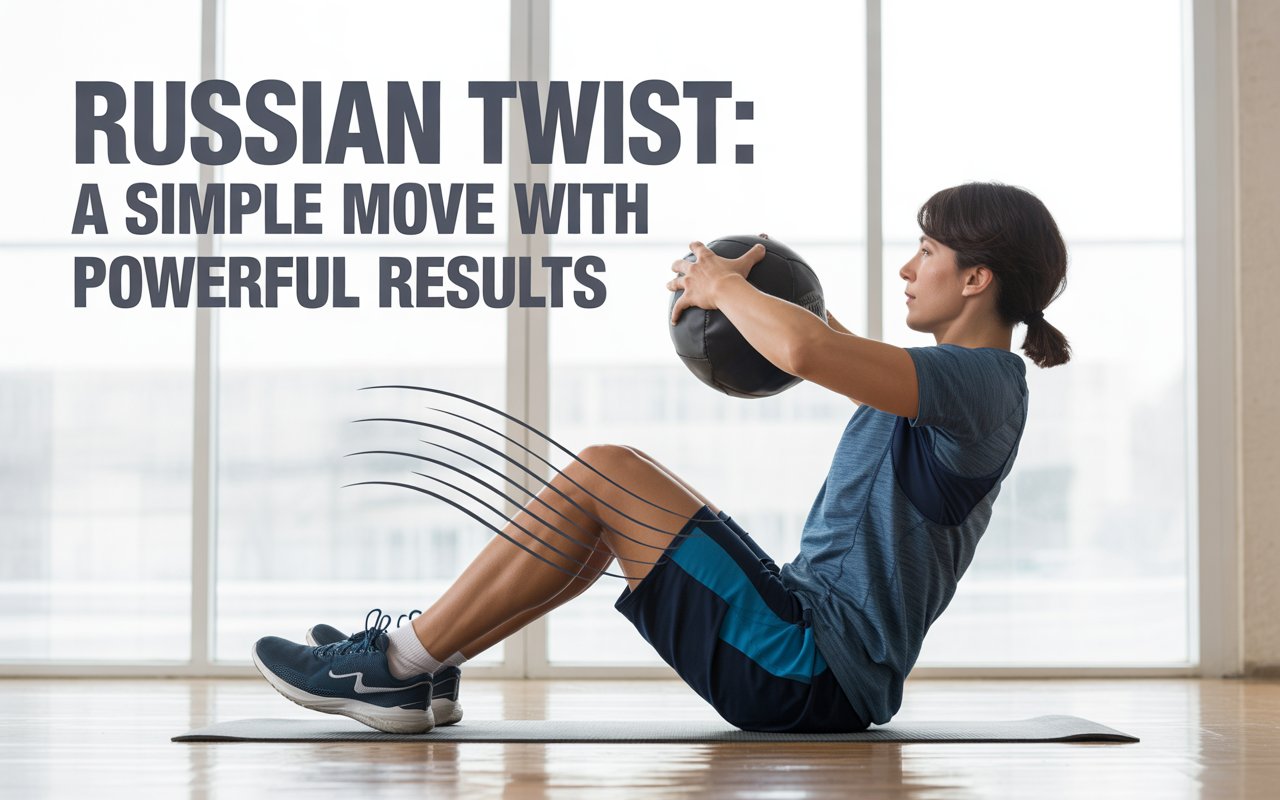
One of the best things about the Russian twist is how easy it is to modify.
Beginner Version
Keep your feet on the floor and twist slowly. This reduces pressure on your lower back while still engaging your core.
Intermediate Option
Lift your feet slightly off the ground. This increases the balance challenge and engages more muscles.
Advanced Style
Add a light weight, such as a dumbbell or medicine ball. This increases resistance and makes each twist more demanding.
You can think of these variations like adjusting the volume on a speaker. You’re still listening to the same song, just at a level that suits you.
Benefits Beyond a Flat Stomach
Many people associate this exercise with appearance, but the benefits go far deeper.
A strong core improves posture, reduces the risk of injury, and supports everyday movements like bending or turning. Athletes often use rotational exercises to enhance performance in sports that involve throwing, swinging, or quick changes in direction.
Even simple activities, like carrying groceries or sitting at a desk, become easier when your core is strong and stable.
Is the Russian Twist Safe for Everyone?
For most healthy individuals, this exercise is safe when performed correctly. However, people with existing lower back issues should approach it carefully. Keeping the movement controlled and avoiding excessive twisting can help reduce strain.
If discomfort occurs, it’s a good idea to stop and adjust the form or choose a gentler variation. Listening to your body is always more important than pushing through pain.
How Often Should You Do Russian Twists?
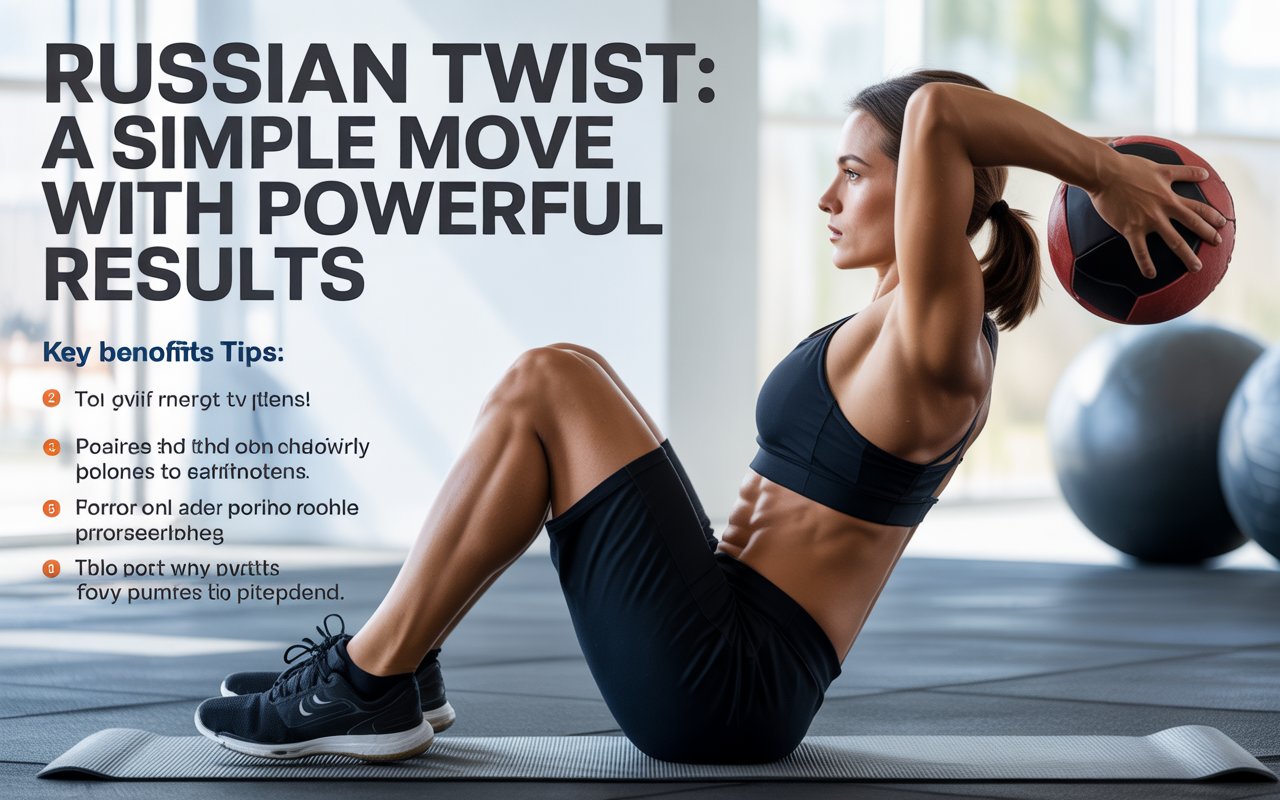
Like any exercise, balance is key. Performing this move two to three times a week is enough for most people. It works well as part of a larger core routine rather than being the only exercise you rely on.
Quality matters more than quantity. A few controlled sets done properly will always beat dozens of rushed repetitions.
Russian Twist vs Other Core Exercises
Compared to static moves like planks, this exercise adds rotation, which is a natural part of how the body moves. That’s what makes it so functional.
While planks build endurance and stability, twisting movements develop coordination and rotational strength. Including both types in your routine creates a more balanced approach to fitness.
Making the Russian Twist Part of Daily Fitness
You don’t need a gym membership or expensive equipment to include this exercise in your routine. A small clear space on the floor is enough.
Many people like to add it at the end of a workout as a finisher. Others include it in short home routines. The flexibility makes it easy to stick with, and consistency is where real progress happens.
Conclusion
The Russian twist may look simple, but its impact is anything but small. It strengthens your core, improves balance, and supports movements you use every day. When done with proper form and control, it becomes a reliable tool for building strength and stability.
Like learning to ride a bike, it might feel awkward at first, but with practice, it becomes second nature. And once it does, you’ll likely wonder how such a straightforward movement can do so much.
Frequently Asked Questions
What muscles does the Russian twist mainly target?
It primarily works the obliques, along with other core muscles that help stabilize and rotate the torso.
Can beginners do the Russian twist?
Yes, beginners can start with their feet on the floor and focus on slow, controlled movements.
Is the Russian twist good for posture?
A stronger core supports better posture by helping the body stay balanced and upright.
Should I use weights while doing Russian twists?
Weights are optional and best added once you’re comfortable with the basic movement and proper form.
How long does it take to see results from Russian twists?
With consistent practice and a balanced routine, many people notice improved strength within a few weeks.