




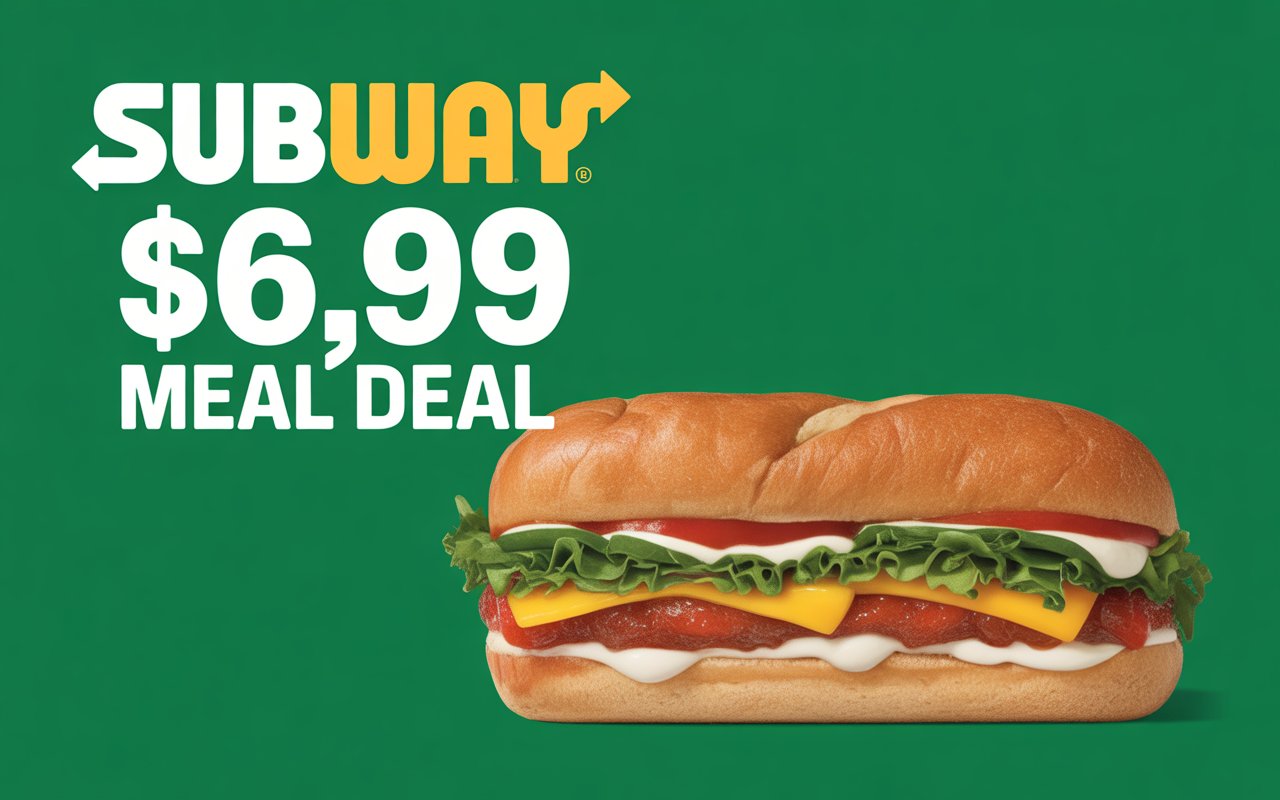

For years, grabbing a quick sandwich from Subway has been a go-to move for busy students, office workers, and pretty much anyone craving a fresh bite without spending too much. One of the most popular offers was the $6.99 meal deal, which bundled a sub, drink, and side at a wallet-friendly price.
But recently, Subway announced that it’s pulling the plug on the $6.99 meal deal, leaving many loyal customers wondering what happened — and what’s next.
In this article, we’ll break down everything you need to know: why the offer ended, how this change fits into the fast-food industry’s bigger picture, and what alternative deals you might find in its place. So, let’s unpack this step by step.
A Look Back: Why the $6.99 Meal Deal Was Such a Hit
When Subway launched the $6.99 meal deal, it struck a perfect balance between value and convenience. At a time when eating out was getting pricier, this offer gave people a simple, predictable price point.
Imagine walking into a store, knowing exactly how much you’ll spend—no surprises, no mental math. That’s the kind of comfort this deal gave regulars.
-
Budget-friendly: For under seven dollars, you could enjoy a decent meal without compromising on freshness.
-
Customizable: Subway’s signature “build-your-own” model meant people could tailor their subs to their liking while still getting the bundled price.
-
Widespread availability: The deal was available at thousands of locations, making it a reliable option across cities and towns.
In many ways, the $6.99 meal deal became Subway’s unofficial lunch hour ambassador—especially for those who wanted more than a burger and fries.
The Sudden Announcement: What Changed?
The decision to discontinue the offer didn’t come with fireworks or a huge PR campaign. Instead, it appeared in quiet updates to menus and a few official statements.
Subway cited changing operational costs and a desire to refresh its promotional strategy as key reasons. Rising prices of ingredients like meats, bread, vegetables, and packaging played a big role. Inflation and supply chain disruptions have made it harder for restaurants to keep old price points without taking a loss.
Think of it like trying to keep selling lemonade at 50 cents a cup while lemons, sugar, and cups double in price — eventually, the math just doesn’t work out.
Economic Pressures: Inflation Hits Fast-Food Chains Too

It’s easy to assume big brands like Subway are immune to economic shifts, but that’s far from reality. Over the past few years, ingredient costs have surged, and transportation expenses have gone up.
Restaurants operate on thin margins. When costs rise, they face three choices:
-
Raise prices, risking customer pushback.
-
Shrink portion sizes, which often frustrates regulars.
-
Cut promotions, which is what Subway has opted to do here.
The $6.99 deal, once profitable, became increasingly tough to sustain. While customers loved it, franchise owners were feeling the squeeze. This was particularly true in smaller towns or regions where operational costs were rising faster than sales.
A Strategic Shift: Moving Beyond Blanket Discounts
Subway’s move isn’t just about saving money—it’s about changing its marketing strategy. Instead of broad, nationwide offers like the $6.99 meal deal, the company is shifting toward more targeted promotions.
This includes:
-
App-exclusive deals: Encouraging customers to order through their app, where personalized offers can be sent directly.
-
Loyalty programs: Rewarding repeat visits rather than giving a discount to everyone.
-
Limited-time specials: Focusing on seasonal or regional offers to create buzz.
This approach lets Subway control margins more carefully while still giving customers reasons to come back.
The Franchise Perspective: Balancing Uniformity and Flexibility
Subway operates mostly through franchise locations, meaning independent owners run their own shops under the Subway brand. These owners often have different cost structures depending on location, rent, wages, and local food prices.
For some franchisees, the $6.99 deal worked great. For others, especially in areas with higher operating costs, it was a financial headache.
Ending the deal gives these owners more flexibility to set pricing and promotions that make sense locally. While it may be disappointing for customers who relied on the deal, it can help stores stay afloat in a tough market.
How Customers Are Reacting: Mixed Emotions

When word spread that the $6.99 meal deal was ending, reactions ranged from disappointment to understanding.
-
Regulars voiced frustration on social media, reminiscing about how the deal made lunch simple and affordable.
-
Some welcomed the change, hoping that the end of blanket discounts might pave the way for better-quality ingredients or new menu items.
-
Others are indifferent, as long as there are still occasional promotions.
For many, the deal was more than just a price tag — it was part of their daily routine. Losing it can feel like losing that familiar coffee mug you’ve used for years: small, but meaningful.
Competitors’ Moves: A Shifting Fast-Food Landscape
Subway isn’t the only chain rethinking its pricing. Across the fast-food industry, value meals are being quietly adjusted or phased out.
-
McDonald’s and Burger King have both experimented with raising prices on their value menus or limiting them to app users.
-
Starbucks focuses more on loyalty rewards than price discounts.
-
Taco Bell periodically introduces limited-time boxes but often increases prices after the initial launch.
This trend reflects a broader reality: offering the same low prices indefinitely is no longer sustainable for most chains, especially with fluctuating costs.
Digital Engagement: The Rise of App-Exclusive Offers
One of the clearest signals from Subway’s shift is its emphasis on digital channels. By nudging customers toward its app, the company can:
-
Collect data on preferences and habits.
-
Offer personalized deals, which are often more appealing than one-size-fits-all discounts.
-
Reduce third-party delivery fees by encouraging direct ordering.
-
Promote new menu items quickly and efficiently.
For customers, this means the days of walking into a store and seeing the same poster deal everywhere are fading. Instead, your phone becomes the new menu board for special promotions.
New Promotions to Watch For
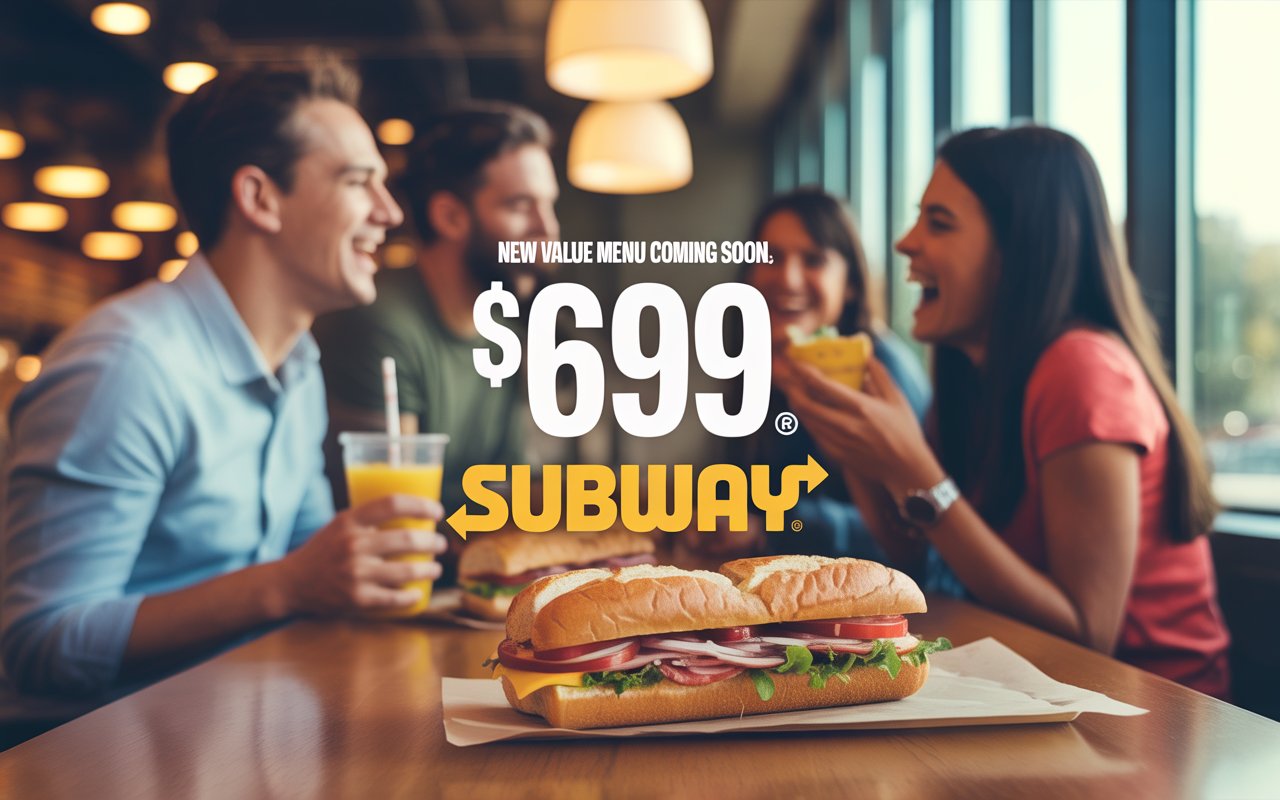
The end of the $6.99 meal deal doesn’t mean Subway is abandoning deals altogether. Instead, expect more variety and experimentation in their offers.
Some of the promotions already rolling out include:
-
BOGO (Buy One Get One) deals on select sandwiches.
-
Discounts for loyalty members after a certain number of visits.
-
Seasonal menu bundles that change every few months.
-
Regional pricing to reflect local economic conditions.
While these may not have the same universal simplicity as the $6.99 meal deal, they offer potential savings for engaged customers.
What This Means for Your Lunch Budget
If you relied on the $6.99 deal for a consistent lunch option, this change might nudge you to rethink your routine. Here are a few practical strategies:
-
Download the app: That’s where the best new deals are likely to appear.
-
Join loyalty programs: Over time, rewards can add up to meaningful savings.
-
Try new combos: Explore different menu options that might offer better value than your usual pick.
-
Keep an eye on local specials: Some franchises may still run their own deals.
While the change may sting at first, it could lead to more creative, flexible ways to save on your favorite subs.
A Broader Trend: The End of Blanket Value Deals?
The discontinuation of Subway’s $6.99 meal deal isn’t an isolated decision — it’s part of a larger industry pattern. Fast-food chains are moving away from fixed-price deals and toward dynamic pricing and digital engagement.
This mirrors what’s happening in other industries too. Airlines, for instance, used to offer standard fares but now rely on apps, loyalty programs, and targeted deals to fill seats. Similarly, restaurants are becoming more data-driven in how they attract and retain customers.
Final Thoughts: A Deal Ends, but the Story Continues
Change is never easy, especially when it touches something as simple and comforting as a favorite lunch deal. But the end of Subway’s $6.99 meal deal reflects the reality of rising costs, evolving strategies, and shifting consumer behavior.
While it’s natural to miss the simplicity of that familiar price point, the future might bring smarter, more personalized offers that could be just as rewarding—if not more so.
The sandwich may stay the same, but the way it’s sold is evolving.
FAQs
1. Why did Subway discontinue the $6.99 meal deal?
Rising ingredient costs, inflation, and a strategic shift toward digital promotions made the deal unsustainable for many franchise owners. Ending it allows more flexibility in pricing and marketing.
2. Will Subway introduce a new meal deal soon?
While there’s no identical nationwide replacement, Subway is rolling out regional promotions, app-exclusive offers, and loyalty-based rewards that may offer similar value.
3. Can I still find similar deals at some Subway locations?
Yes, some franchisees may choose to run local promotions based on their market. It’s worth checking the app or asking at your nearest store.
4. How can I save money at Subway now?
Joining their rewards program, using the mobile app, and looking out for limited-time offers are the best ways to continue saving on meals.
5. Is this change permanent?
It’s likely permanent in its old nationwide form, but Subway’s promotions will keep evolving. Future deals might look different, but the company aims to keep customers engaged through new strategies.