




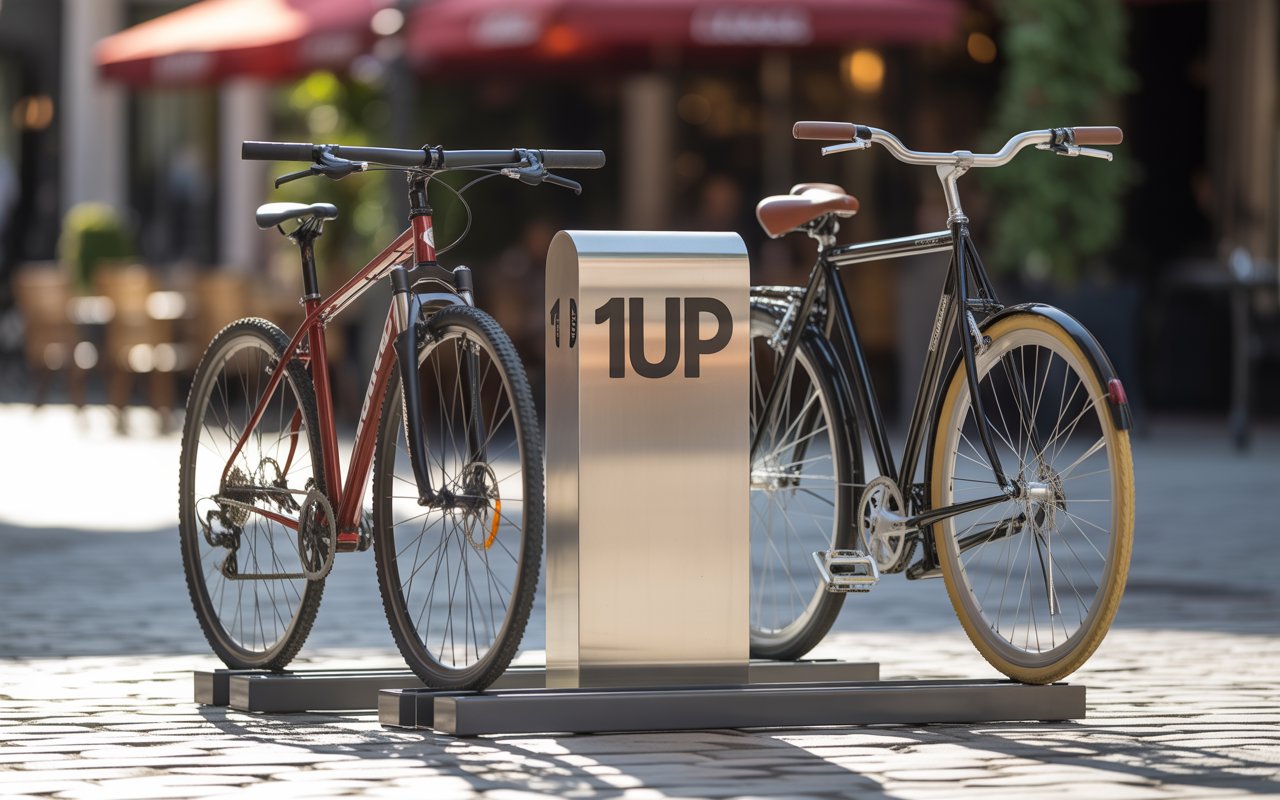

Have you ever tried squeezing a bicycle into the trunk of a car or awkwardly tying it with ropes on the roof? If yes, then you already know how challenging transporting bikes can be. That’s where a 1UP bike rack steps in — a smart, secure, and sleek solution that turns a potential headache into a smooth ride.
Whether you’re a weekend cyclist, a mountain biking enthusiast, or a family that loves outdoor adventures, understanding how this rack works, why it stands out, and how to choose the right model can make all the difference. Let’s dive deep into everything you need to know, from features and installation to maintenance and real-world performance.
Why Transporting Your Bike the Right Way Matters
Before we get into the details of the rack itself, let’s pause for a moment. Imagine carrying a delicate painting — would you just toss it into the backseat? Probably not. Your bike deserves the same care.
Improper transport can lead to scratches, frame damage, loose wheels, or worse, accidents on the road. A reliable bike rack isn’t just about convenience; it’s about protection, safety, and ease. The 1UP system is designed to address all three simultaneously.
What Makes the 1UP Bike Rack Stand Out
Not all racks are created equal. Some wobble, some rust, and some feel like assembling furniture every time you use them. The 1UP, however, has earned a reputation for precision engineering and long-term reliability.
Here’s why:
-
All-metal construction – Built primarily from aluminum, it’s tough yet lightweight.
-
No frame contact – The rack holds the wheels, not the frame, preserving paint and structure.
-
Tool-free installation – It’s designed for fast mounting without a toolbox.
-
Compact foldable design – It folds neatly when not in use, perfect for garages or small parking spaces.
Think of it like the “Swiss Army knife” of bike racks — compact, efficient, and packed with thoughtful features.
A Quick Look at the Brand Behind the Name
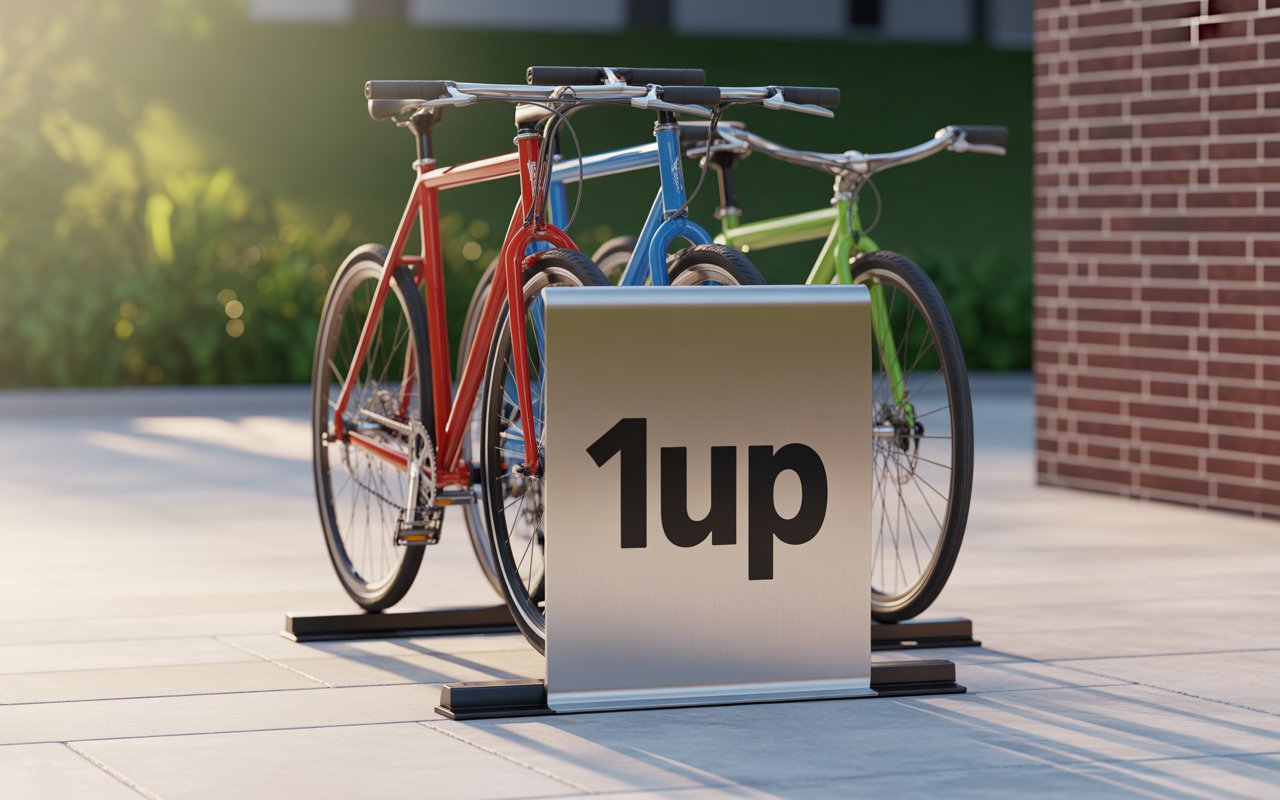
The company 1UP USA started with a simple mission: create high-quality, American-made cycling accessories that last. Based in Wisconsin, their products are crafted with a focus on durability, ease of use, and engineering excellence.
While the brand may not spend millions on flashy ads, word of mouth among cyclists has done the heavy lifting. Over the years, their racks have gained a loyal following among road bikers, mountain bikers, and families alike.
Types of 1UP Bike Racks Available
One of the best things about this system is the variety. Whether you drive a small hatchback or a heavy-duty truck, there’s an option that fits.
Single Rack
Perfect for solo riders, this lightweight option is easy to install and remove. Ideal for people who ride alone or live in cities where parking space is limited.
Double Rack
The most popular choice, designed to carry two bikes securely. It strikes a balance between capacity and convenience, making it great for couples or friends who ride together.
Super Duty Racks
These are built for serious riders or families with multiple bikes. They can carry more weight, making them suitable for electric bikes (e-bikes) or larger mountain bikes.
Add-Ons and Accessories
You can expand the rack to hold more bikes, attach a license plate holder, or add security locks. This modular design lets you customize your setup as your cycling needs grow.
Installation: Easier Than You Might Think
If you’ve ever wrestled with complicated car accessories, you might be bracing yourself for a struggle — but relax. Installing a 1UP rack is surprisingly straightforward.
-
Insert the rack into the hitch receiver on your vehicle.
-
Tighten the corner expander bolt to secure the rack without tools.
-
Adjust the wheel trays to fit your bike’s wheelbase.
-
Lock in place, and you’re ready to roll.
No drilling, no confusing parts, no sweating in the driveway for hours. It’s designed so that even someone installing a rack for the first time can do it confidently.
Everyday Use: A Smooth Experience
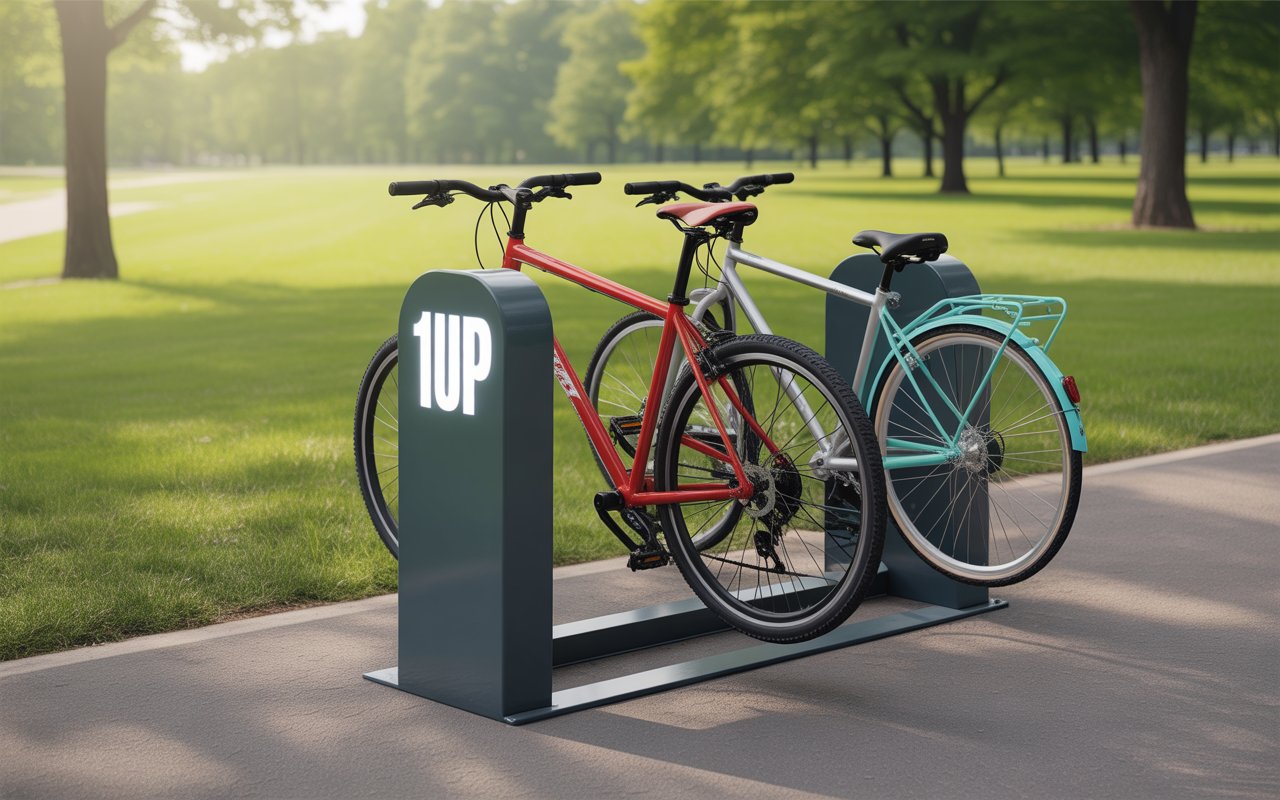
Once installed, loading a bike is almost effortless. Here’s how it usually goes:
-
Lift the bike onto the tray.
-
Pull up the arms over the wheels.
-
Lock them down snugly.
Because the rack holds the wheels and not the frame, there’s no need to remove parts or worry about scratches. Even heavier bikes feel secure once in place.
The arms are spring-loaded, making the process quick. If you’re someone who rides regularly, this can save minutes every time — and those minutes add up over a riding season.
Safety and Security Features
Transporting a bike isn’t just about holding it in place — it’s about keeping it safe on highways, bumpy roads, and even when parked.
Here’s how the rack ensures security:
-
Sturdy clamp arms keep the bike stable, even at high speeds.
-
Anti-wobble design reduces movement, preventing wear and tear.
-
Locking options let you secure both the rack and bikes against theft.
-
Reflectors and license plate holders keep you compliant with traffic laws.
You wouldn’t leave your expensive smartphone on a park bench. The same goes for your bike. These features act like a built-in insurance policy while you’re on the road.
Durability: Built to Last for Years
Many budget racks look fine on day one but start showing rust or wear after one season. 1UP racks are different. Made from anodized aluminum, they resist corrosion and withstand harsh weather.
Whether you’re driving through rain, snow, or dusty trails, the rack remains sturdy. Users often report their racks lasting for years with minimal maintenance — a testament to solid engineering.
Maintenance Tips to Keep Your Rack in Top Shape
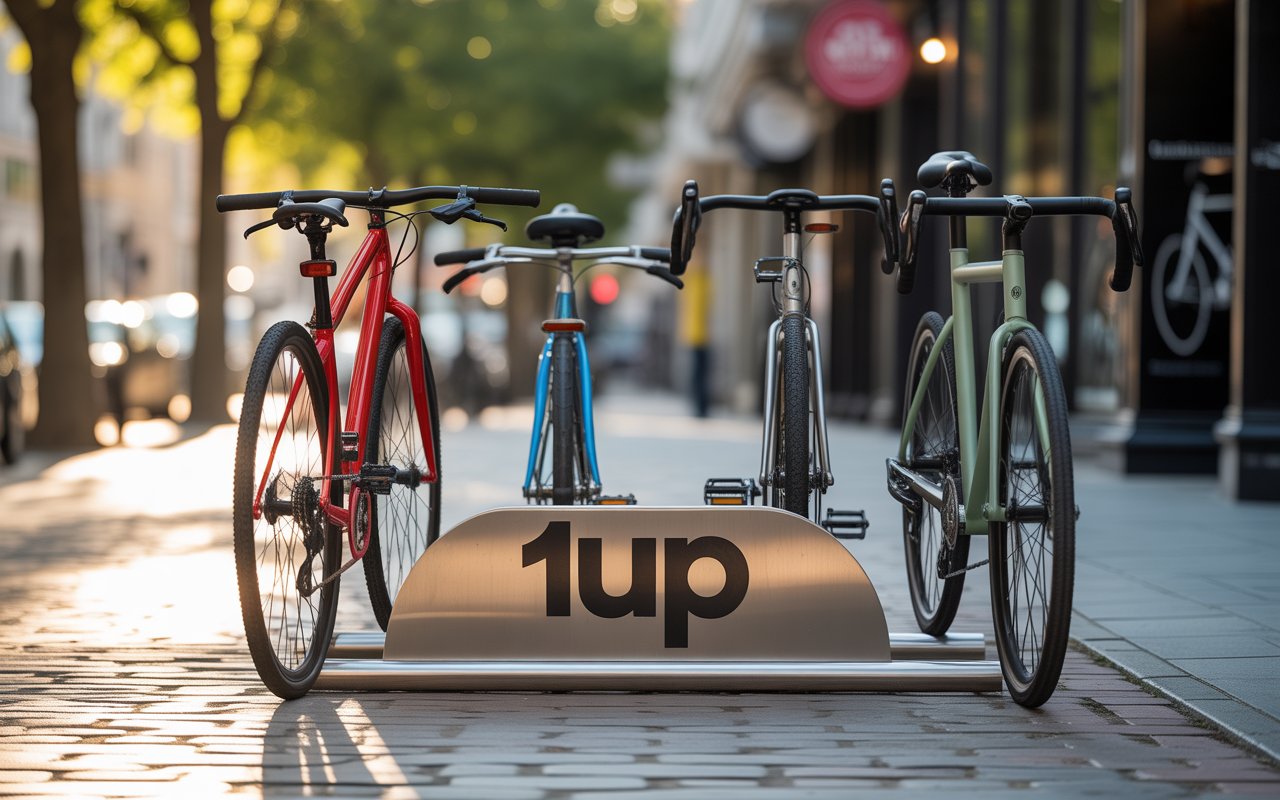
Even the best equipment benefits from care. Luckily, maintaining this rack doesn’t require a mechanic. Here are some simple tips:
-
Rinse off dirt or salt after winter or muddy rides.
-
Lubricate moving parts occasionally to keep them smooth.
-
Check bolts and arms every few months for tightness.
-
Store indoors during long off-seasons to extend its life.
Treat it like you’d treat a good pair of hiking boots — a little care goes a long way.
Real-World Experiences: What Cyclists Say
Cyclists across different riding styles often share similar feedback: stability, ease, and confidence. Many appreciate how the rack doesn’t touch the bike frame, making it ideal for expensive carbon bikes.
Families love the quick loading, while solo riders praise how light it is to install and remove. Some even use it year-round without ever taking it off their vehicle.
One mountain biker described it as “the last rack I’ll ever buy,” which pretty much sums up the long-term value it offers.
Cost vs. Value: Is It Worth It?
It’s true — this rack sits in a higher price bracket than many competitors. But think about it this way: buying a cheap rack every couple of years or dealing with a damaged bike can cost far more in the long run.
This rack is like a well-made backpack — you invest once, and it serves you reliably for years. For frequent riders, that investment pays off quickly through peace of mind and fewer hassles.
Environmental Impact and Sustainability
An often-overlooked angle is the environmental benefit. Because the racks are made with recyclable aluminum and built to last, they reduce waste over time. Instead of replacing racks every few seasons, you keep one for years, minimizing your carbon footprint.
Final Thoughts: A Trusted Companion for Your Rides
Choosing the right bike rack is about more than convenience — it’s about protecting your gear, saving time, and enjoying your rides with less worry.
The 1UP bike rack stands out for its durability, ease of use, secure fit, and thoughtful design. Whether you’re an occasional rider or someone who hits the trails every weekend, it’s a solid investment that elevates the entire riding experience.
Once you use it, you may wonder how you ever managed without it.
FAQs
1. Can I use the 1UP bike rack for electric bikes?
Yes, many of their heavy-duty models are designed to handle the extra weight of e-bikes, provided you stay within the rack’s weight capacity.
2. Does it fit all car types?
Most models fit standard hitch receivers (1.25″ or 2″). There are options for cars, SUVs, and trucks. Always check compatibility before buying.
3. Do I need tools for installation?
No tools are required. The rack uses an expander bolt system, making installation quick and straightforward.
4. Can I leave the rack on my car year-round?
Yes, the aluminum build resists rust and weather damage, but occasional cleaning and inspection are recommended for longevity.
5. Is it easy to expand the rack for more bikes?
Yes, many models allow add-on trays to carry additional bikes, giving you flexibility as your needs grow.