





Introduction
Every generation has its controversies, and the world of comedy often sits right at the center of them. One of the more talked-about topics in recent years revolves around late-night host Jimmy Kimmel and his past use of blackface during comedic sketches. This issue sparked conversations not only about Kimmel himself but also about how society deals with race, humor, and accountability.
So, what really happened? Why did it cause such a stir? And what can we learn from it as a society that’s still trying to balance freedom of expression with respect and inclusivity? Let’s take a closer look at the story behind the controversy, its ripple effects, and the lessons it continues to teach us.
The Backstory: Who Is Jimmy Kimmel?
Jimmy Kimmel has been a household name in American television for decades. Known for his wit, charm, and the long-running talk show Jimmy Kimmel Live!, he has built a career on humor, celebrity interviews, and cultural commentary. Like many comedians, Kimmel’s early career involved sketch comedy, where exaggerated impressions and parody were common tools.
It was during this era—before his late-night fame—that he participated in comedy sketches that would later come back to haunt him. These sketches included impressions of celebrities like NBA legend Karl Malone, where Kimmel wore dark makeup to portray the athlete.
What Is Blackface? A Historical Lens
Before diving into the controversy, it’s important to understand the historical weight of blackface.
Blackface has its roots in 19th-century minstrel shows, where white performers would paint their faces black to mock African Americans. These performances didn’t just make fun of individuals—they reinforced harmful stereotypes and fueled systemic racism.
Think of it like a scar on society’s cultural memory. Even if the intent in modern times isn’t overtly malicious, the shadow of that history makes blackface a painful and offensive practice.
The Controversial Sketches
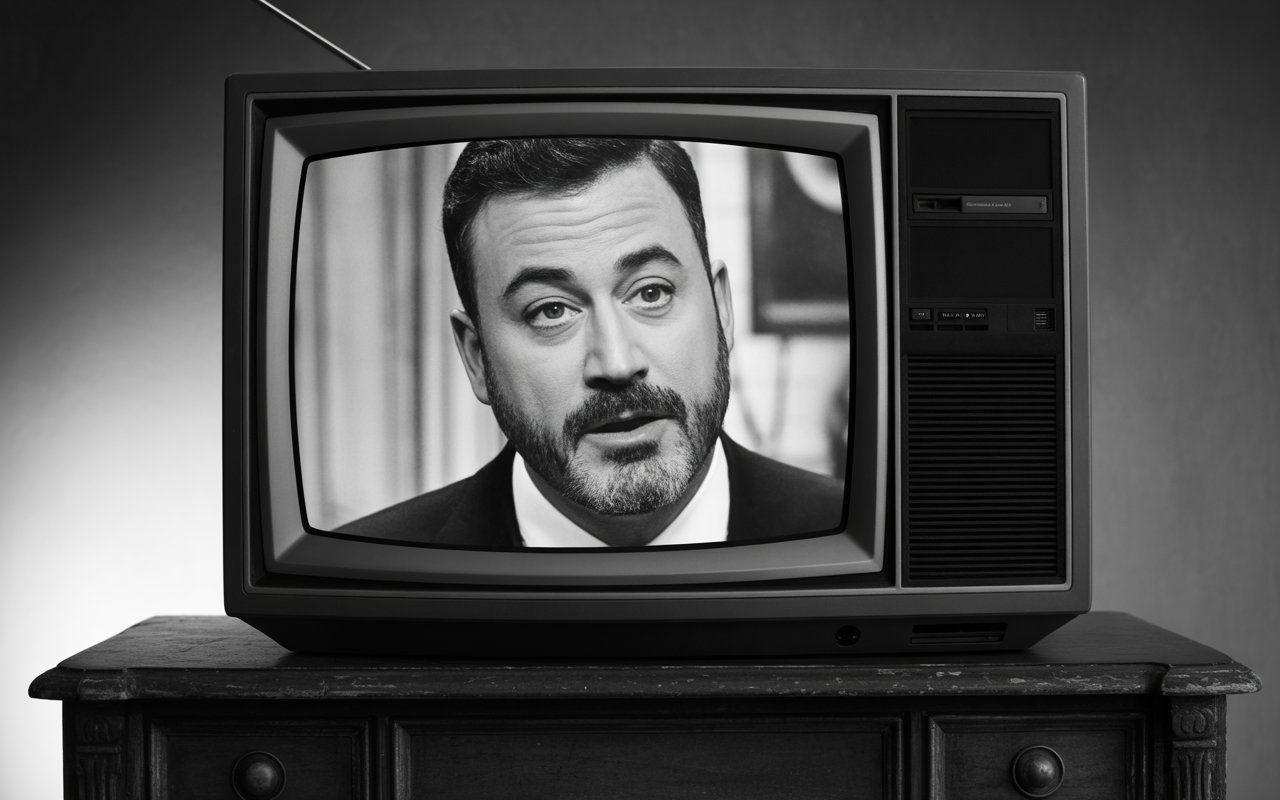
The sketches in question came from Kimmel’s days on The Man Show and other comedic appearances in the 1990s and early 2000s.
-
Impersonations of Karl Malone – Kimmel wore dark makeup and mimicked Malone’s speech in a series of skits.
-
Other Celebrity Impressions – Reports also surfaced of him using similar techniques when portraying figures like Oprah Winfrey.
While these sketches were originally aired with little immediate backlash, the cultural landscape was very different back then. What might have passed as edgy comedy in the 90s was no longer seen the same way in the 2010s and beyond.
Why the Backlash Surfaced Years Later
You might wonder: if these sketches were public all along, why did the outrage resurface later?
The answer lies in cultural evolution. Society’s awareness of racial issues has grown significantly, especially with movements like Black Lives Matter highlighting systemic inequalities. The same jokes that once drew laughs were now viewed as offensive reminders of past oppression.
It’s like looking at an old photo album—you might laugh at your fashion choices from years ago, but some things (like harmful stereotypes) aren’t just embarrassing; they’re damaging.
Public Reaction and Social Media’s Role
When clips of Kimmel’s blackface sketches resurfaced, social media exploded. Some people demanded accountability, calling for boycotts and even his resignation from Jimmy Kimmel Live! Others defended him, arguing that the jokes were products of their time.
Platforms like Twitter and Facebook acted as amplifiers. What might have been a localized debate decades ago became a global discussion. Memes, hashtags, and online arguments kept the controversy alive for weeks.
Kimmel’s Response
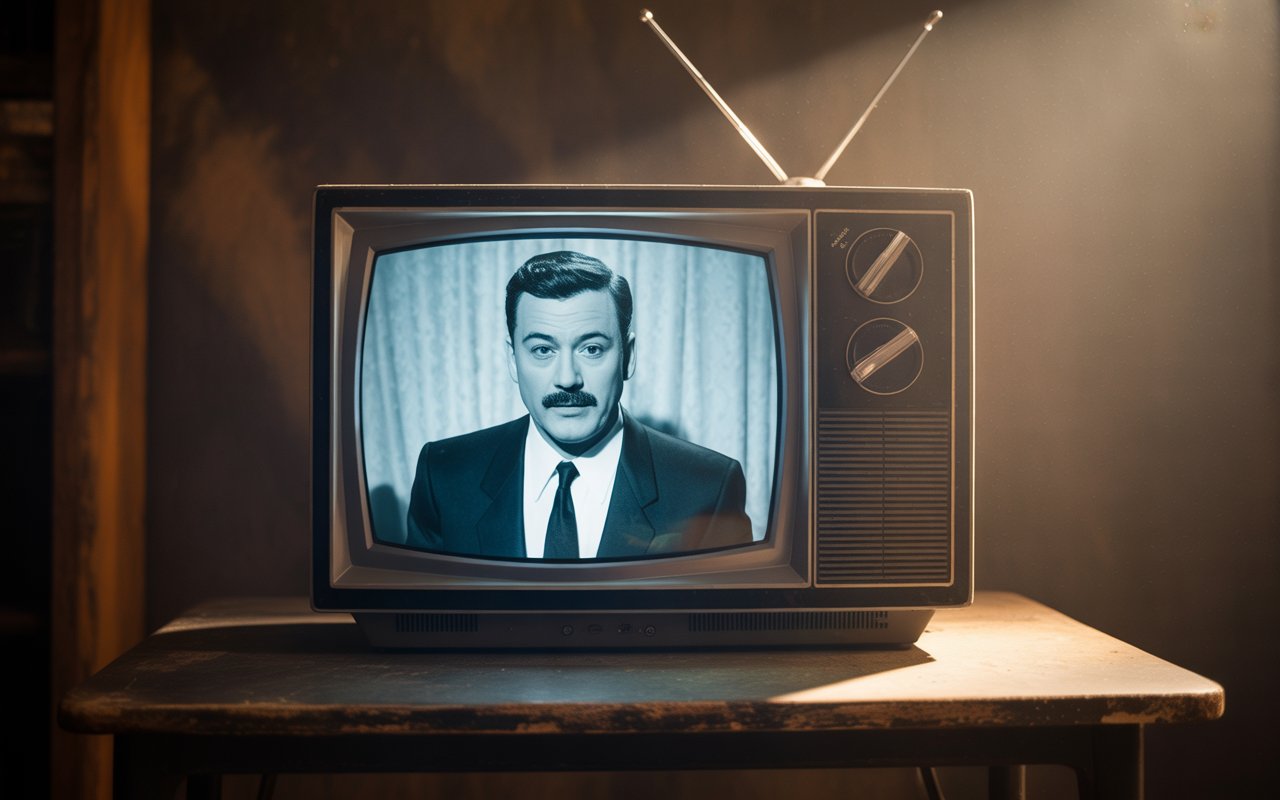
Faced with mounting criticism, Jimmy Kimmel eventually issued a public apology. In his statement, he expressed regret, acknowledged the pain the sketches caused, and emphasized that he never intended to mock or belittle anyone.
Kimmel also pointed out that comedy often walks a fine line, but admitted that intent does not erase impact. His apology reflected a growing trend among public figures: recognizing that what once seemed acceptable may no longer be, and taking responsibility for it.
Cancel Culture vs. Accountability
The controversy sparked broader conversations about “cancel culture.” Was Kimmel being unfairly targeted for past mistakes, or was he rightfully being held accountable?
-
Cancel Culture Argument – Some argued that digging up old sketches was unfair, given how much society has changed. They felt comedians should not be judged by today’s standards for past actions.
-
Accountability Argument – Others stressed that harmful portrayals should always be recognized, regardless of timing. Ignoring them only perpetuates the problem.
This debate reflects a larger cultural tension: how do we balance forgiveness with responsibility?
The Broader Impact on Comedy
Comedy has always thrived on pushing boundaries. But the Kimmel blackface controversy raised new questions about where those boundaries lie.
-
Should comedians have total freedom of expression?
-
Or do they have a responsibility to avoid perpetuating harmful stereotypes?
These questions aren’t easy to answer. What’s clear, however, is that comedy today operates in a much more sensitive and self-aware environment. Writers and performers now think twice before using racial or cultural stereotypes for laughs.
Lessons Learned: Evolving Together
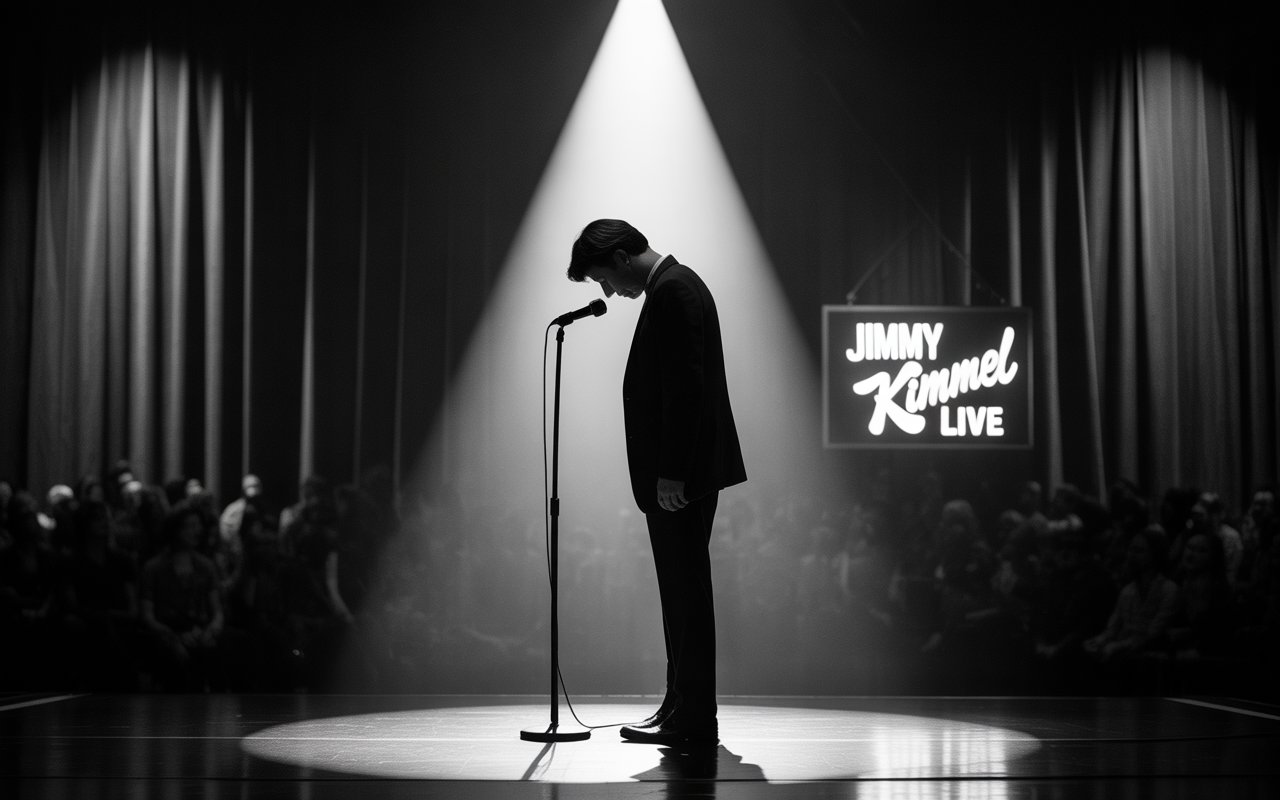
The controversy isn’t just about Jimmy Kimmel—it’s about all of us. It highlights how:
-
Society Evolves – What was once overlooked can later be recognized as harmful.
-
Intent vs. Impact Matters – Even if someone didn’t mean to offend, the effect can still cause real hurt.
-
Growth Is Possible – Public figures can apologize, change, and do better moving forward.
It’s similar to growing as an individual. We all have moments in our past that we regret. The important part is whether we acknowledge them, learn, and evolve.
The Bigger Picture: Race, Media, and Representation
The Kimmel case fits into a much larger discussion about how race is represented in media. Historically, people of color have often been misrepresented or excluded entirely. Today, there’s a stronger push for authentic voices and diversity on screen.
This isn’t about silencing comedy—it’s about broadening it. When comedy includes more perspectives, it becomes richer, sharper, and more relatable to everyone.
Conclusion
The controversy over Jimmy Kimmel’s use of blackface reminds us that comedy doesn’t exist in a vacuum. Jokes can shape perceptions, reinforce stereotypes, or challenge them. While Kimmel has apologized and moved forward, the conversations sparked by his past remain highly relevant.
At its core, this isn’t just about one comedian—it’s about how we, as a society, handle mistakes, grow from them, and create a more inclusive culture for the future.
FAQs
1. What exactly did Jimmy Kimmel do that sparked controversy?
Jimmy Kimmel faced backlash for wearing dark makeup in sketches to impersonate celebrities like Karl Malone and Oprah Winfrey during the 1990s and early 2000s.
2. Why is blackface considered offensive?
Blackface is rooted in minstrel shows where it mocked African Americans and reinforced racist stereotypes. Its history makes it deeply offensive, regardless of intent.
3. Did Jimmy Kimmel apologize for his actions?
Yes, Kimmel issued a public apology, expressing regret and acknowledging the pain caused by his past sketches.
4. Was Jimmy Kimmel “canceled” because of this controversy?
While he faced significant criticism and calls for resignation, Kimmel did not lose his show. The debate sparked discussions about cancel culture versus accountability.
5. What can society learn from this controversy?
The key lessons include recognizing how cultural norms evolve, understanding that intent doesn’t erase harm, and striving for more inclusive representation in comedy and media.