






Ever walked into a room that instantly felt cozy, modern, or just plain cool—and realized it was the lighting that made all the difference? That’s the magic of LED strip lights. Whether it’s a subtle glow under your cabinets or a rainbow of colors around your TV, these flexible lights have transformed how we think about home and workspace lighting.
In this guide, we’ll explore everything you need to know about LED strip lights — what they are, how they work, where to use them, and why they’re quickly becoming a must-have for everyone from DIY lovers to interior designers.
What Are LED Strip Lights?
Let’s start simple. LED strip lights are thin, flexible circuit boards lined with tiny light-emitting diodes (LEDs). They usually come with an adhesive backing, making them super easy to stick almost anywhere — walls, ceilings, furniture, even cars!
These strips can glow in single colors or change through a whole spectrum using remote controls or smartphone apps. Because of their slim design and versatility, they’ve become one of the most popular lighting solutions worldwide.
Think of them like the Swiss Army knife of lighting — adaptable, efficient, and stylish all at once.
How Do LED Strip Lights Work?
The science behind LED strips might sound complicated, but it’s quite straightforward.
Each LED chip converts electrical energy into light. The strip has a circuit that distributes electricity evenly, and often includes resistors to prevent overheating. When you plug it in (via a power adapter or USB), the LEDs light up — individually or together — depending on the control setup.
Some LED strips are addressable, meaning each diode can be controlled separately for animations or gradient effects. Others are non-addressable, so the entire strip displays the same color at once.
In essence, you’re controlling tiny, powerful light points connected by a flexible bridge of technology.
Why LED Strip Lights Are So Popular

It’s not just a trend — LED strip lights are genuinely practical. Here’s why people everywhere love them:
-
Easy to install: Just peel, stick, and plug in.
-
Energy-efficient: They use a fraction of the electricity traditional bulbs need.
-
Customizable: Change colors, brightness, and even sync them with music.
-
Compact: Fit in places where normal lights can’t go.
-
Durable: Long-lasting and resistant to heat and shock.
It’s rare to find something that combines creativity, function, and sustainability so seamlessly.
Different Types of LED Strip Lights
Not all LED strips are created equal. Let’s break down the main types you’ll come across:
1. Single-Color LED Strips
These emit one steady color — like white, red, or blue. They’re great for accent lighting in hallways, display cases, or kitchens.
2. RGB LED Strips
RGB stands for Red, Green, and Blue. You can mix these colors to create millions of shades, offering endless customization.
3. RGBW and RGBCW Strips
These add a white LED to the mix for a cleaner, brighter light. Perfect when you want color-changing flexibility but still need pure white for daily use.
4. Addressable LED Strips
Each diode acts independently, allowing effects like chasing, fading, or pulsing colors. Gamers, streamers, and event designers love these.
5. Waterproof LED Strips
Designed with protective coatings, these strips are ideal for outdoor setups, bathrooms, or kitchens where moisture is common.
Each type serves a unique purpose — the key is picking what fits your vibe and space best.
Choosing the Right LED Strip Lights for Your Space
Before you grab the first roll that catches your eye, it’s worth considering a few factors:
Brightness (Lumens)
More lumens mean more brightness. If you’re lighting up a workbench, go brighter. For cozy vibes behind a TV, lower lumens are better.
Color Temperature
White light comes in different tones — warm white (yellowish) for relaxing spaces and cool white (bluish) for offices or kitchens.
Voltage
Common voltages include 5V (USB), 12V, and 24V. Higher voltage allows longer runs without dimming.
Control Options
You can choose between manual dimmers, remote controls, smartphone apps, or voice assistants like Alexa or Google Home.
Length and Size
Measure your area carefully. Most strips can be cut to size at designated points.
Choosing wisely ensures you get the effect you want — without overspending or under-lighting.
Creative Ways to Use LED Strip Lights

Here’s where the fun begins! LED strips can completely transform spaces — not just illuminate them.
1. Under-Cabinet Lighting
Ideal for kitchens, giving a modern glow while making food prep easier.
2. Behind TVs or Monitors
Reduces eye strain and adds cinematic flair to your viewing experience.
3. Bedroom Ambiance
Create relaxing night lights or romantic moods with soft tones.
4. Shelving and Display Cases
Highlight collectibles, books, or art pieces like a professional showcase.
5. Staircases and Hallways
Add safety and style with motion-activated strips.
6. Cars and Motorcycles
LED strips can be installed under dashboards, seats, or even exteriors for a custom look.
7. Outdoor Spaces
Decks, patios, and gardens look magical with waterproof LED lighting.
With LED strips, your creativity is the only limit.
Installation: A Step-by-Step Guide
Don’t worry — you don’t need to be an electrician. Installing LED strip lights is easier than you might think.
Step 1: Plan the Layout
Measure where you want the lights to go and ensure you have enough length and power outlets nearby.
Step 2: Clean the Surface
Wipe down the area with alcohol or a dry cloth to help the adhesive stick better.
Step 3: Cut to Fit
Use the designated cutting points (usually marked by a small scissor icon) to trim your strip to size.
Step 4: Peel and Stick
Remove the backing tape and gently press the strip into place.
Step 5: Connect to Power
Attach your adapter, controller, or power source, and plug it in.
Step 6: Customize
Use your remote or app to adjust colors, brightness, or effects.
And just like that, your room has a brand-new atmosphere!
How to Control LED Strip Lights
Controlling your lights can be as simple or high-tech as you like.
-
Remote Control: Most strips come with IR remotes for basic color and brightness changes.
-
App Control: Connect via Bluetooth or Wi-Fi for more advanced features.
-
Voice Control: Smart LED strips sync with Alexa, Google Assistant, or Siri.
-
Music Sync: Some lights can flash or change colors to match your favorite songs.
Imagine having your room’s lighting shift automatically with the beat of your playlist — pretty cool, right?
Benefits Beyond Aesthetics

While LED strips look amazing, their benefits go beyond beauty:
-
Energy Efficiency: They consume less power than traditional bulbs.
-
Long Lifespan: Most last 30,000–50,000 hours.
-
Eco-Friendly: No harmful mercury or UV radiation.
-
Low Heat Emission: Safe to touch, even after hours of use.
-
Customizable Design: Perfect for both personal and professional use.
In a world aiming for sustainability, LED strip lights are a small change with a big impact.
Common Mistakes to Avoid
Even though they’re simple, people often make these avoidable mistakes:
-
Skipping surface cleaning: Leads to poor adhesion.
-
Using the wrong power supply: Can cause flickering or damage.
-
Over-bending strips: Breaks the internal wiring.
-
Ignoring voltage limits: Results in uneven brightness.
-
Forgetting about heat: Enclosed spaces can shorten lifespan.
A few minutes of prep can save you hours of frustration later.
Maintenance and Troubleshooting Tips
Like any device, LED strips need a bit of care to keep glowing brightly.
-
Keep them dust-free: Wipe occasionally with a dry cloth.
-
Check connections: Loose plugs can cause flickering.
-
Avoid water exposure: Unless rated as waterproof.
-
Replace damaged segments: Cut and reconnect easily using solderless connectors.
If your strip stops working, the issue is usually with the power supply or controller — not the lights themselves.
LED Strip Lights and Smart Homes
Welcome to the future — where your lighting listens to you.
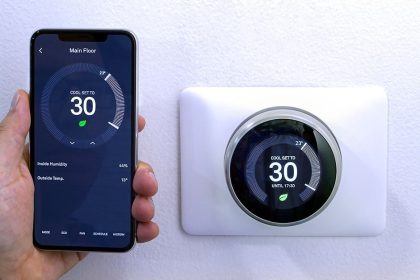
Smart LED strip lights integrate beautifully with home automation systems. You can schedule them to turn on at sunset, dim when you start a movie, or flash when your doorbell rings. All controlled from your phone or voice command.
It’s not just convenience; it’s personalization. Your home becomes responsive — almost like it understands your mood.
Cost and Value: Are LED Strip Lights Worth It?
At first glance, LED strips might seem more expensive than traditional bulbs. But when you look closer, they’re actually a smart investment.
Here’s why:
-
Lower electricity bills
-
Reduced replacement costs
-
Minimal maintenance
-
Enhanced property aesthetics
In short, they pay for themselves over time — both in savings and satisfaction.
The Future of Lighting: Beyond the Strip
The innovation doesn’t stop here. LED technology continues to evolve. Imagine strips that adjust brightness based on natural light, change color with your emotions, or even purify the air around them.
As sustainable and adaptive lighting advances, LED strip lights are paving the way for an illuminated, efficient future.
Conclusion
Lighting is more than just functionality — it’s an expression of space and personality. LED strip lights embody that perfectly: versatile, efficient, and endlessly creative. Whether you’re adding warmth to your living room, vibrance to your gaming setup, or subtle charm to your backyard, these flexible lights make it possible.
It’s like painting with light — and you’re the artist.
FAQs About LED Strip Lights
1. Can I cut LED strip lights to fit smaller spaces?
Yes! Most LED strips are marked with cutting points where you can safely trim them without affecting performance.
2. Do LED strip lights use a lot of electricity?
Not at all. They’re highly energy-efficient and use significantly less power than traditional bulbs.
3. How long do LED strip lights last?
Typically, they last between 30,000 to 50,000 hours, depending on usage and quality.
4. Are LED strip lights safe to use?
Yes, they emit very little heat, contain no toxic materials, and are safe for most indoor and outdoor applications.
5. Can I control LED strip lights with my phone or voice?
Absolutely. Many modern LED strips can be paired with mobile apps or smart home systems like Alexa and Google Assistant for hands-free control.