





Artificial Intelligence has always fascinated us. From robots in science fiction movies to voice assistants on our phones, we’ve long imagined talking to machines like we talk to people. But in the last couple of years, one tool has taken that dream and brought it into everyday life—ChatGPT.
If you’ve ever wondered what exactly ChatGPT is, how it works, why it’s so popular, and what it means for the future, you’re in the right place. Let’s dive into this technology in simple language, without the tech jargon, and explore why it feels like talking to a really smart friend who never gets tired of chatting.
What Exactly Is ChatGPT?
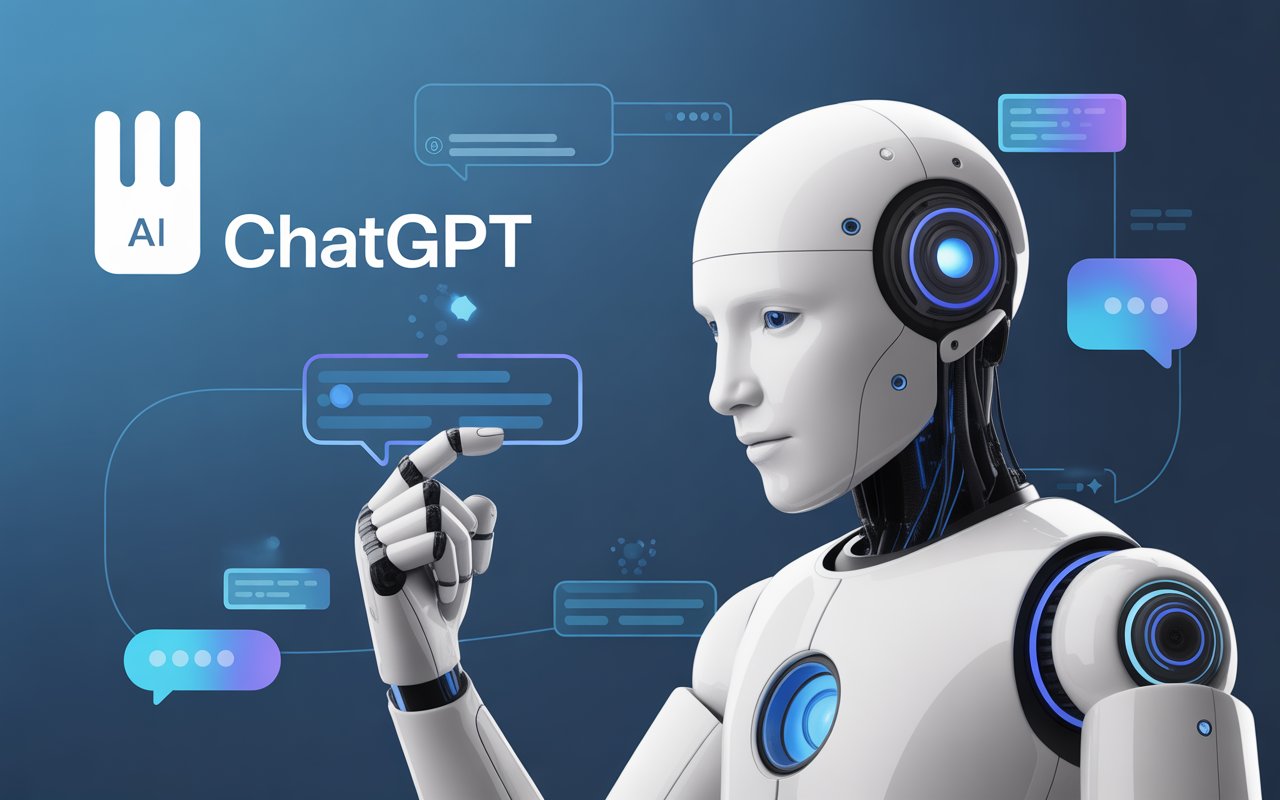
Think of ChatGPT as a digital brain trained to have conversations. It’s an AI model created by OpenAI that can understand text, generate responses, and even sound like a real person.
The “GPT” part stands for Generative Pre-trained Transformer. That sounds complicated, but at its core, it simply means this AI is trained on a massive amount of text and can “generate” new responses by predicting what words should come next.
It doesn’t think like a human, but it’s been fed so much information from books, articles, and websites that it can mimic the way people write and speak.
Why Has ChatGPT Become So Popular?
You’ve probably seen friends sharing funny conversations with ChatGPT or heard about students, businesses, and even grandparents using it. But why all the buzz?
-
Accessibility – Unlike complicated software, ChatGPT is easy to use. Just type in a question, and it replies.
-
Versatility – It can write stories, explain math, suggest recipes, draft emails, or even role-play as a customer service agent.
-
Natural Flow – Its answers feel like they come from a person, not a robot.
In a world where most tech tools require tutorials, ChatGPT is more like texting a friend who always replies instantly.
How Does ChatGPT Work Behind the Scenes?
Imagine teaching a child to complete sentences by reading millions of books. That’s essentially what happens with ChatGPT.
The AI has been trained on billions of words, and when you type something, it uses patterns it has learned to predict the next best words for a reply. It doesn’t “know” facts like a human memory—it’s more like a really advanced autocomplete system.
Type the words ‘Once upon a time…’ and it instantly anticipates a story unfolding, just like a classic fairy tale beginning. If you type “Explain gravity like I’m 10”, it adjusts its tone and complexity.
Everyday Uses of ChatGPT
So how do people actually use ChatGPT in daily life? You might be surprised by its range:
-
Students use it to brainstorm essay ideas or understand tough topics.
-
Writers turn to it for creative sparks, story outlines, or even poetry.
-
Professionals turn to it to speed up tasks like writing reports, polishing emails, or shaping marketing content with ease.
-
Travelers ask it for itinerary suggestions or cultural tips.
-
Parents sometimes use it for bedtime stories or homework help.
It’s like having a multipurpose assistant that adapts to whatever you need.
ChatGPT at Work: A New Digital Colleague
Workplaces have started seeing ChatGPT as a productivity booster. Instead of spending hours formatting documents or coming up with slogans, employees can lean on AI for the first draft.
For example:
-
A small business owner might use ChatGPT to write website content.
-
Customer service teams can use it to draft polite and consistent responses.
-
HR departments can create job descriptions or interview questions quickly.
It’s not about replacing people but freeing them to focus on creative, strategic, and emotional parts of the job that AI can’t replicate.
The Benefits of Using ChatGPT
Why do so many people love using ChatGPT? Let’s break down the advantages:
-
Time-saving: It drafts text in seconds.
-
Cost-effective: For businesses, it reduces the need for outsourcing simple tasks.
-
24/7 Availability: Unlike human helpers, it doesn’t sleep or take weekends off.
-
Learning Aid: It can explain concepts in simple terms, acting like a patient tutor.
-
Creativity Boost: It helps break writer’s block or sparks new ideas.
In many ways, it feels like having a brainstorming partner on call.
The Limitations and Challenges
Of course, ChatGPT isn’t perfect. Like any tool, it has its limits:
-
Accuracy Issues: Sometimes it gives wrong or outdated information.
-
Lack of Common Sense: It doesn’t truly “understand” things the way people do.
-
Bias: Because it’s trained on human-written text, it may inherit human biases.
-
Dependence Risk: Over-relying on it may make people less willing to think critically.
It’s a reminder that while AI is powerful, we still need human judgment.
Ethical Questions Around ChatGPT
With great power comes great responsibility, right? ChatGPT raises some big ethical debates:
-
Should students use it for homework?
-
What about writers—does using AI reduce creativity?
-
How do we prevent misuse for scams or spreading misinformation?
Think of ChatGPT as a tool like a kitchen knife. In the right hands, it makes cooking easier.When misused, its power can quickly turn from helpful to harmful. The real issue is how humans choose to use it.
ChatGPT and Education
Schools and universities are divided on ChatGPT. Some ban it, worried about cheating. Others embrace it as a teaching aid.
Here’s a balanced view:
-
When used responsibly, it can help students understand concepts and improve writing.
-
But if misused, it encourages shortcuts and reduces learning effort.
Teachers are now exploring ways to integrate AI into classrooms—like teaching students how to fact-check AI responses or use it for brainstorming rather than copying.
ChatGPT vs Other AI Tools
ChatGPT isn’t the only conversational AI out there, but it stands out because of its user-friendly design.
-
Voice Assistants like Siri or Alexa answer quick questions but aren’t as flexible.
-
Search Engines give links, while ChatGPT gives ready-made answers.
-
Other AI Models exist, but ChatGPT popularized the idea of long, natural conversations.
It’s like comparing a pocket calculator to a smartphone—both useful, but one offers much more versatility.
The Future of ChatGPT and AI Conversations
Where is all this heading? Experts believe future versions of ChatGPT will:
-
Become even better at understanding context.
-
Work alongside voice and video for more natural interactions.
-
Integrate into more apps, from healthcare to shopping.
-
Offer personalization, remembering your style and preferences.
It’s easy to imagine a future where talking to AI feels just like calling a friend for advice.
Should You Be Worried About ChatGPT Replacing Jobs?
This is the million-dollar question. Will AI take over our work?
The truth is, ChatGPT will change jobs more than replace them. Tasks that are repetitive—like typing standard replies—might be automated. Yet the roles that thrive on empathy, imagination, and genuine human connection will continue to endure.
Think of it this way: when calculators were invented, people feared accountants would become useless. Instead, they became more valuable, focusing on higher-level thinking while calculators handled the arithmetic. ChatGPT could play a similar role.
FAQs
1. Is ChatGPT free to use?
Yes, there’s a free version available, but some platforms also offer paid subscriptions with extra features like faster responses and priority access.
2. Can ChatGPT replace teachers or writers?
Not really. It can support them by providing drafts, explanations, and ideas, but it can’t replace human creativity, empathy, or judgment.
3. How accurate are ChatGPT’s answers?
It’s generally reliable but not flawless. It can sometimes provide outdated or incorrect information, so double-checking important facts is always wise.
4. Can ChatGPT understand emotions?
It doesn’t actually feel emotions, but it can recognize emotional language and respond in a way that seems empathetic.
5. What’s the biggest risk of using ChatGPT?
The main risks are misinformation, over-reliance, and ethical misuse. Responsible use, fact-checking, and human oversight are essential.
Final Thoughts
ChatGPT isn’t just a trend—it’s a glimpse into the future of human-machine interaction. It’s powerful, versatile, and surprisingly conversational. But it also requires us to use it wisely, balancing convenience with responsibility.
Whether you see it as a digital assistant, a creative partner, or just a fun experiment, ChatGPT is here to stay. The question isn’t “Will we use it?” but rather “How will we use it to make our lives better?”