




Introduction
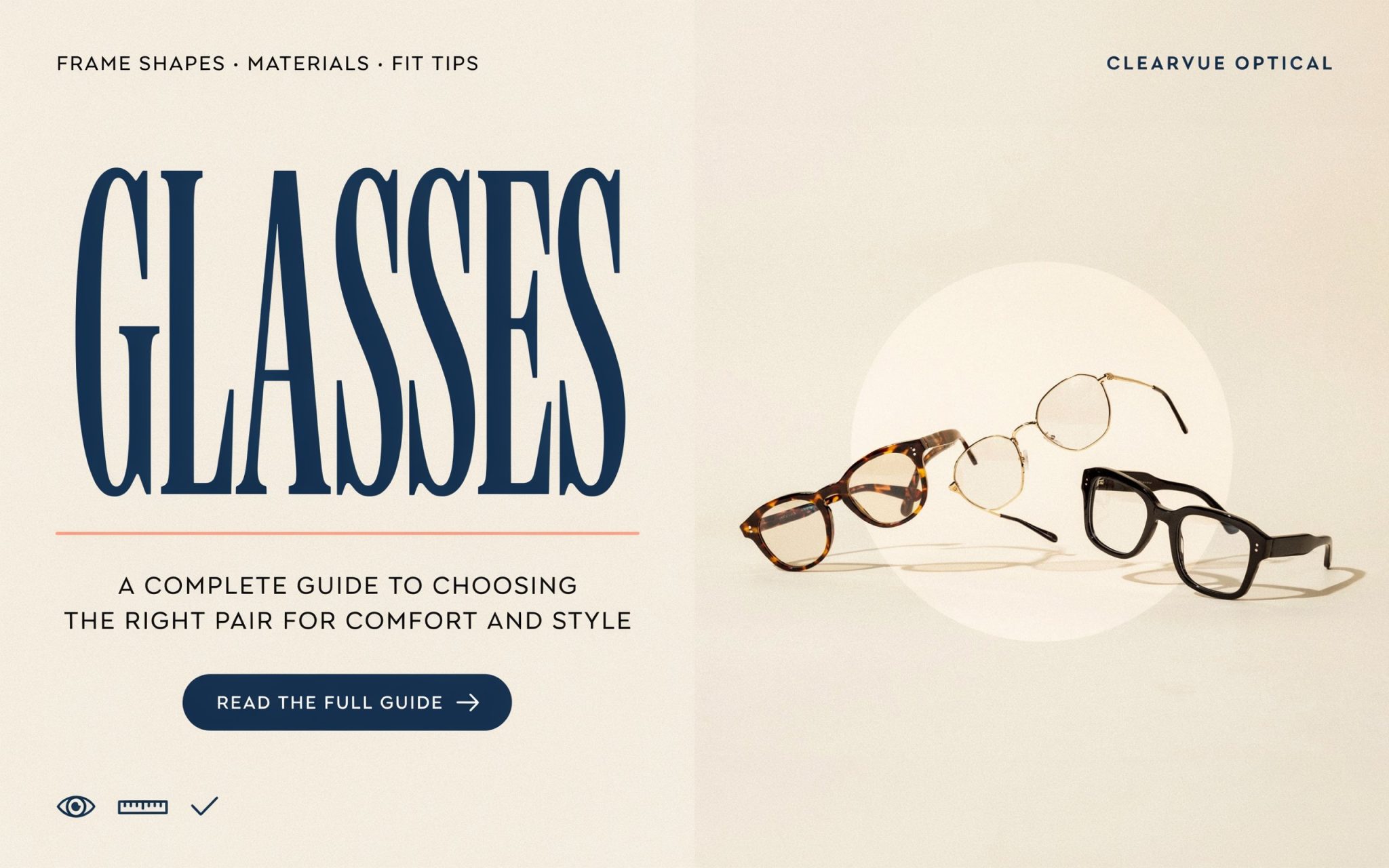
Whether you need vision correction, eye protection, or a stylish accessory, glasses play an important role in everyday life. With countless frame styles, lens options, and materials available today, choosing the right pair can feel overwhelming.
The good news is that finding the perfect eglasss doesn’t have to be complicated. By understanding your needs and learning about the available options, you can make a confident decision that improves both your vision and appearance.
In this guide, you’ll learn about different types of glasses, how to choose the best frames for your face shape, lens options to consider, and practical tips for maintaining your eyewear.
What Are Glasses and Why Are They Important?
Glasses are wearable optical devices designed to improve vision, protect the eyes, or enhance appearance. They consist of lenses mounted within frames that sit comfortably on the face.
Key Benefits of Glasses
- Correct vision problems such as nearsightedness, farsightedness, and astigmatism
- Reduce eye strain caused by digital screens
- Protect eyes from harmful UV rays
- Improve reading and close-up tasks
- Enhance personal style and confidence
For millions of people worldwide, glasses provide a simple, effective solution for maintaining clear vision and eye health.
Types of Glasses Available Today
Understanding the different types of glasses can help you select the best option for your lifestyle.
Prescription Glasses
Prescription glasses are designed to correct specific vision problems diagnosed during an eye examination. They are customized according to your eye prescription.
Common prescription types include:
- Single-vision lenses
- Bifocal lenses
- Progressive lenses
- Reading glasses
Blue Light Glasses
Blue light glasses are designed to filter some of the blue light emitted by digital devices such as computers, tablets, and smartphones.
Many office workers and students use these glasses to reduce digital eye strain during extended screen time.
Sunglasses
Sunglasses protect the eyes from ultraviolet (UV) rays while improving comfort in bright environments.
Look for sunglasses that provide:
- 100% UV protection
- Polarized lens options
- Durable frame materials
Safety Glasses
Safety glasses are designed for workplaces and activities where eye injuries may occur. They offer additional protection against dust, debris, chemicals, and impact hazards.
How to Choose the Perfect Glasses for Your Face Shapelasses for Your Face Shape
One of the most common concerns when buying glasses is finding frames that complement facial features.
Round Face
People with round faces often benefit from:
- Rectangular frames
- Square frames
- Angular designs
These styles help create balance and definition.
Square Face
For square face shapes, consider:
- Round frames
- Oval frames
- Rimless styles
These options soften strong facial angles.
Oval Face
An oval face is considered versatile and works well with most glasses styles, including:
- Aviator frames
- Rectangular frames
- Cat-eye designs
Heart-Shaped Face
Individuals with heart-shaped faces often look best in:
- Light-colored frames
- Oval styles
- Bottom-heavy frame designs
These choices create visual balance between the forehead and chin.
Understanding Lens Options for Glasses
The lenses you choose can significantly impact comfort, clarity, and durability.
Single-Vision Lenses
Single-vision lenses provide one prescription throughout the entire lens. They are commonly used for distance or reading correction.
Progressive Lenses
Progressive lenses offer multiple prescription strengths without visible dividing lines. They allow smooth transitions between near, intermediate, and distance vision.
Anti-Reflective Coating
An anti-reflective coating helps reduce glare from:
- Computer screens
- Headlights
- Indoor lighting
This feature often improves visual comfort and lens appearance.
Scratch-Resistant Coating
Although no lens is completely scratch-proof, scratch-resistant coatings help extend the lifespan of your glasses.
Photochromic Lenses
Photochromic lenses automatically darken in sunlight and become clear indoors, making them a convenient option for everyday wear.
Common Mistakes to Avoid When Buying Glasses
Many buyers focus only on appearance and overlook other important factors.
Choosing Style Over Comfort
Even the most attractive glasses can become frustrating if they don’t fit properly. Ensure the frames sit comfortably on your nose and ears.
Ignoring Lens Quality
High-quality lenses often provide better clarity, durability, and long-term value than cheaper alternatives.
Skipping Professional Measurements
Proper pupillary distance and frame measurements are essential for optimal vision correction and comfort.
Not Considering Lifestyle Needs
Different activities require different features. For example:
- Office workers may benefit from blue light filtering.
- Drivers often prefer anti-glare lenses.
- Outdoor enthusiasts may need polarized sunglasses.
How to Care for Your Glasses
Proper maintenance helps keep your glasses in excellent condition and extends their lifespan.
Cleaning Tips
- Use a microfiber cloth
- Rinse lenses before wiping
- Avoid paper towels and tissues
- Use lens-safe cleaning solutions
Storage Recommendations
Always store your glasses in a protective case when not in use. This helps prevent scratches and accidental damage.
Regular Adjustments
Over time, frames can loosen or become misaligned. Periodic adjustments from an optical professional help maintain comfort and performance.
Frequently Asked Questions About Glasses
How often should I replace my glasses?
Most people replace their glasses every one to three years, depending on prescription changes, wear and tear, and lifestyle needs.
Can glasses improve eye health?
Glasses do not cure vision problems, but they provide clearer vision and can reduce eye strain, headaches, and discomfort.
Are expensive glasses always better?
Not necessarily. The best glasses combine quality lenses, comfortable frames, proper fit, and features that match your needs.
What are the most durable frame materials?
Titanium, stainless steel, and high-quality acetate are among the most durable frame materials available today.
Conclusion
Choosing the right glasses involves more than selecting a stylish frame. The ideal pair should provide clear vision, lasting comfort, and features that support your daily activities. By understanding frame styles, lens options, and proper fit, you can make a smart investment in both your eye health and personal style.
If you’re considering new glasses, schedule a comprehensive eye exam and consult an eyewear professional to find the perfect pair for your needs. The right glasses can make a noticeable difference in how you see and experience the world every day.