





Packing a child’s lunch can feel a little like being a short-order cook, a nutritionist, and a magician all at once. You want the food to be healthy, look exciting, and actually get eaten—not traded away for a cookie at the next table. Sound familiar? You’re not alone. Whether you’re feeding a picky preschooler, a growing athlete, or a teen who “isn’t hungry” until the bell rings, this guide is here to help. Think of lunch as a small daily gift: a box full of energy, comfort, and care. Let’s make it easier—and way more fun.
Why Kids’ Lunches Matter More Than We Think
Lunch isn’t just another meal; it’s the bridge between a child’s busy morning and their active afternoon. The right foods can steady energy, improve focus, and even lift mood. Ever notice how grumpy hunger can sneak up on kids? That’s not bad behavior—it’s biology.
A balanced midday meal fuels learning and play. It signals care and consistency. For some kids, opening their lunchbox is like opening a note from home: a little reminder that someone thought about them. That emotional comfort is as real as any vitamin.
Bottom line: what goes into the lunchbox matters, but so does how it makes your child feel.
The Building Blocks of a Balanced Lunch
You don’t need a nutrition degree to build a good lunch. Think in simple “building blocks” rather than calories or charts. Aim to combine:
-
Protein (for fullness and focus): eggs, chicken, yogurt, beans
-
Whole grains (for steady energy): whole-wheat bread, rice, wraps
-
Colorful produce (for vitamins and fun): carrots, apples, berries
-
Healthy fats (for staying power): nuts, seeds, avocado
-
Hydration (often forgotten): water, milk, or diluted juice
A Handy Visual
Picture a fuel tank instead of a plate. Protein is the engine, grains are the gasoline, produce is the oil, and fats are the long-lasting battery. When each part is present, the “car” runs smoothly through the day.
Beating Picky Eating Without the Power Struggle
Picky eating can turn lunch into a battlefield. But food fights usually create more resistance, not less. Try these gentler strategies:
Let them choose (within limits)
Offer two healthy options. “Would you like turkey or egg?” feels empowering and avoids the dreaded no.
Serve “safe” foods
Always include one item your child reliably eats. It creates confidence and willingness to try something new.
Tiny tastes
A single bite is a win. No lectures. Curiosity grows when pressure shrinks.
Rotate, don’t repeat
If your child burns out on a favorite, give it a rest and quietly bring it back weeks later.
Remember: taste buds change like seasons. What’s a “no” today could be a “yes” next month.
Quick Morning Wins for Busy Parents
Mornings move fast. You deserve shortcuts that don’t cut corners.
Night-before prep
Slice fruit, portion snacks, or assemble wraps after dinner. Your future self will thank you.
Weekend batching
Cook a tray of chicken, roast veggies, or boil eggs. Mix and match all week.
The “assembly line”
Set up lunch components cafeteria-style on the counter. Kids build their own boxes in minutes.
Keep a checklist
Protein ✔ Grain ✔ Fruit/veg ✔ Drink ✔ Treat (optional). Five checks and you’re out the door.
Efficiency is the secret ingredient you can’t buy—but you can create.
Ideas by Age Group (Because One Size Never Fits All)
Toddlers & Preschoolers
Bite-size rules. Think soft textures, bright colors, and simple shapes.
-
Mini sandwiches cut into triangles
-
Yogurt with mashed fruit
-
Soft pasta spirals with peas
Elementary School
Kids crave variety and independence.
-
Roll-ups or wraps
-
Bento-style boxes with small portions
-
Dips (hummus, yogurt) for veggies
Tweens & Teens
They’re hungrier and more opinionated—plan accordingly.
-
Hearty bowls (rice + chicken + veggies)
-
Loaded sandwiches
-
Smoothies paired with something crunchy
Growth spurts aren’t picky about schedules. Pack more than you think they’ll eat.
Creative Sandwiches and Wraps That Go Beyond Boring
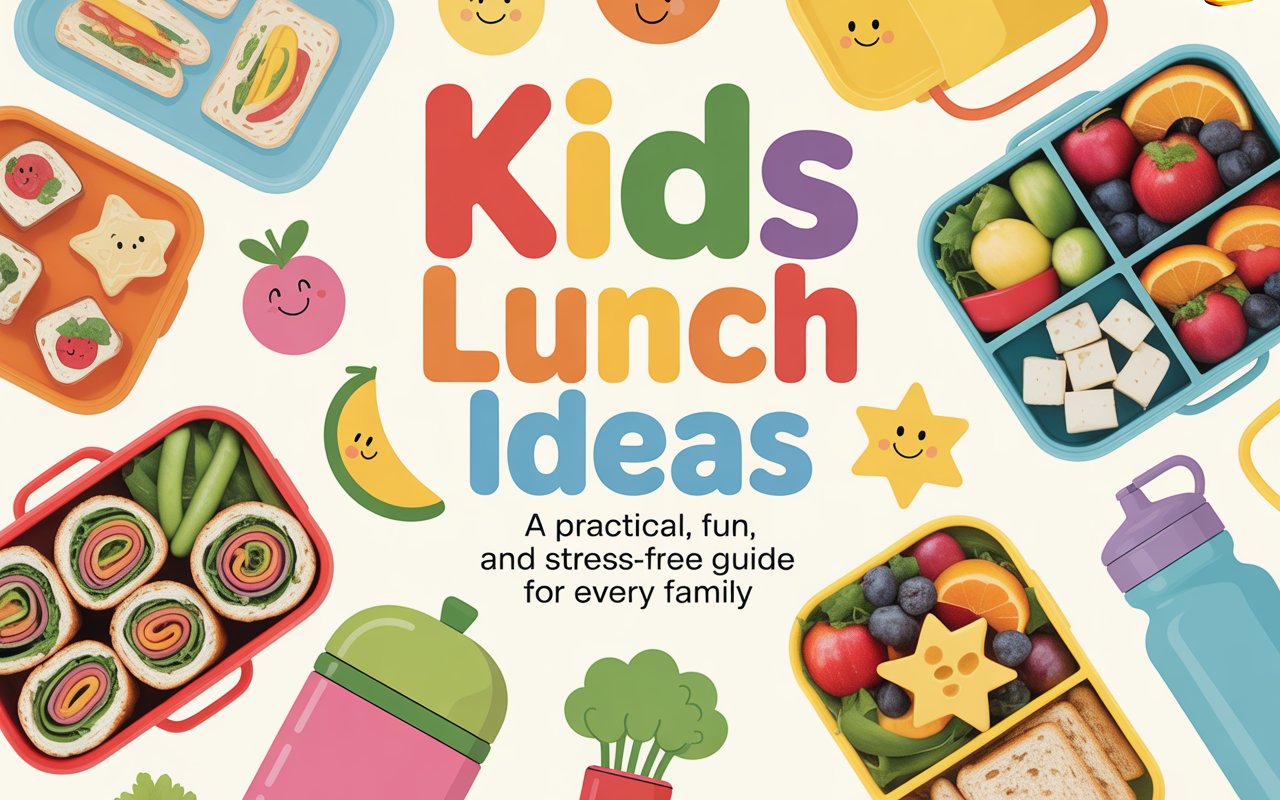
Bread doesn’t have to be bland. A sandwich can be a canvas.
Fun swaps
-
Tortillas instead of slices
-
Pita pockets instead of squares
-
Mini bagels instead of buns
Flavor boosters (small but mighty)
-
A swipe of pesto
-
Crunchy cucumber
-
Sweet apple slices with cheese
Build-it combos
-
Turkey + cheese + apple
-
Egg salad + lettuce
-
Peanut butter + banana + seeds
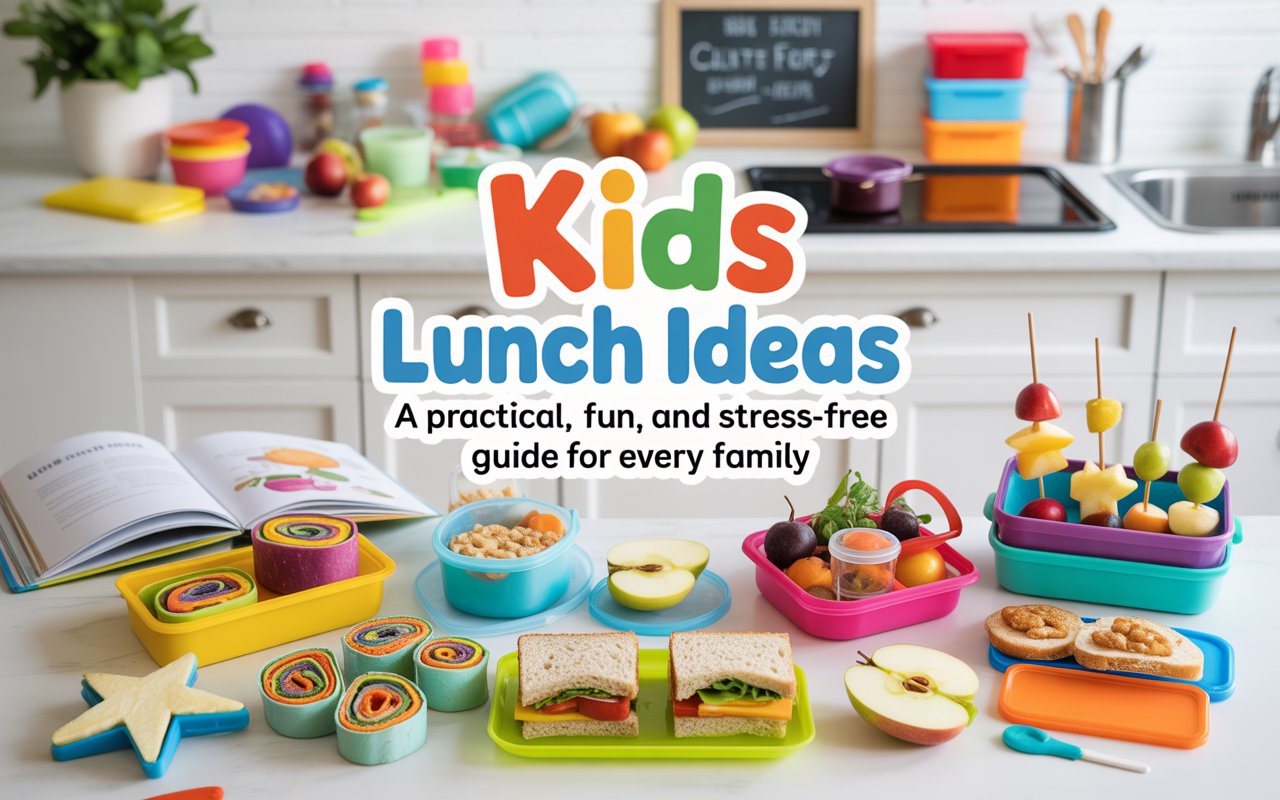
Try cutting sandwiches into stars or pinwheels. Food that looks playful tastes fresher—promise.
Warm Lunches That Stay Tasty Until Noon
A few warm options can change a child’s whole day—especially in colder months.
Thermos heroes
-
Soups and stews
-
Fried rice
-
Pasta with sauce
-
Oatmeal with cinnamon and fruit
Pro tip
Pre-heat the container with boiling water for five minutes, then add hot food. It’ll stay warm for hours.
Warm lunches feel like a hug in a jar.
Budget-Friendly Lunch Planning
Nutritious doesn’t have to mean expensive.
Shop smart
-
Buy in season
-
Choose store brands
-
Watch for family packs
Cook once, eat twice
Dinner leftovers become tomorrow’s star lunch.
Pantry power
Beans, rice, and oats are cheap and versatile. So are frozen veggies—they’re picked at peak freshness and cost less.
Compare, then decide
A homemade wrap costs far less than a pre-packed snack—and often tastes better.
Good food is about creativity, not credit limits.
Making Healthy Food Irresistibly Fun
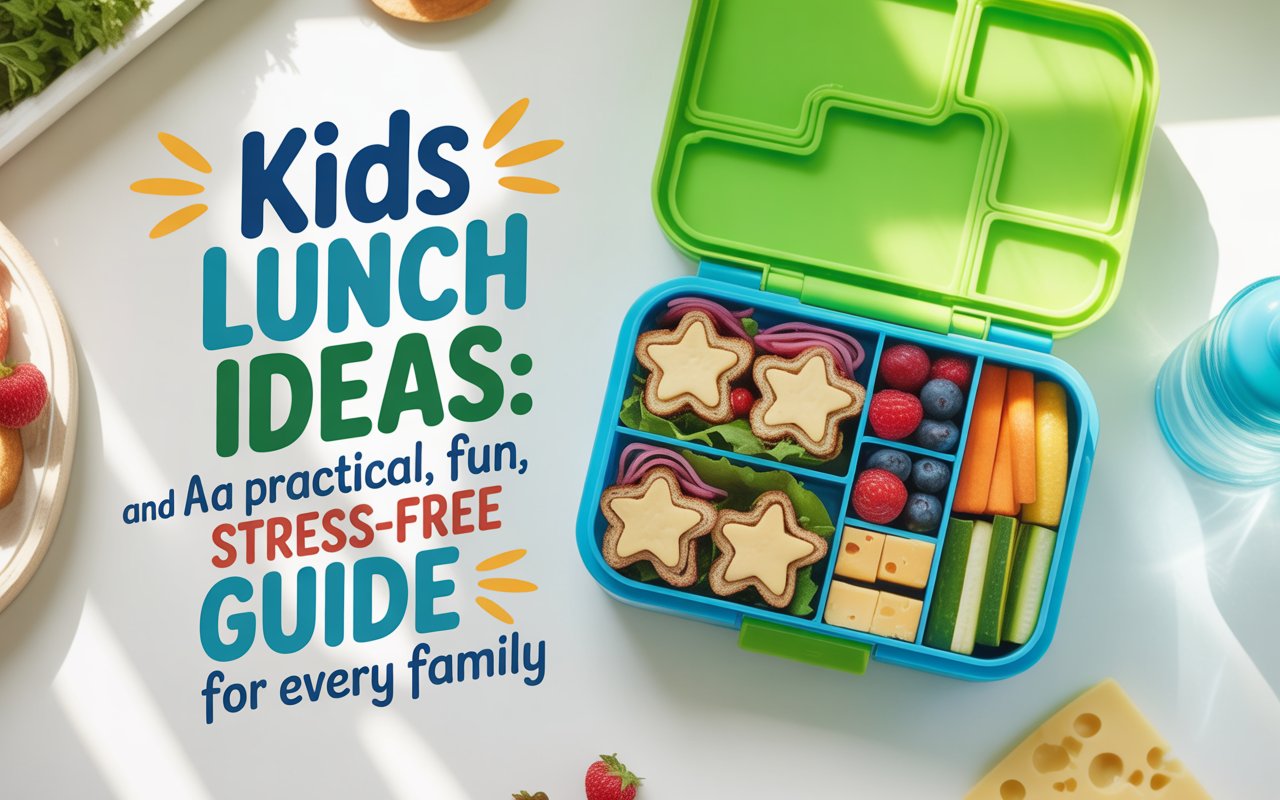
Presentation matters more than we admit—even to adults.
Simple tricks
-
Cut shapes with cookie cutters
-
Use colorful containers
-
Add a tiny note or doodle
Theme days
-
Rainbow Day: one item from each color
-
Build-Your-Own Day: components + imagination
-
Global Day: tacos, noodles, or pita
When kids enjoy the process, they enjoy the meal.
Allergies, Preferences, and Special Diets
Every lunchbox is personal. Respecting needs builds trust.
For allergies
Label containers and teach kids to trade safely—or not at all.
For vegetarian families
Protein is easy with beans, lentils, eggs, dairy, and seeds.
For lactose intolerance
Try plant milks, lactose-free yogurt, or dairy alternatives.
Cultural favorites
Food is identity. Include flavors from home and watch pride replace fussiness.
Inclusion makes food feel safe—and safety makes it delicious.
Encourage Independence (Without Chaos)
When kids help pack lunch, they’re more likely to eat it.
Start small
Let them wash fruit or choose snacks.
Teach portions
Show serving sizes in your hands or cups.
Celebrate ownership
“Great choice!” goes further than “Eat your vegetables.”
Mistakes are part of learning. A too-many-cookies day is just a lesson in disguise.
What to Skip (or Save for Home)
Some foods struggle in a backpack.
-
Heavily sugary treats (energy spikes and crashes)
-
Greasy items (leaks and disappointment)
-
Foods kids already hate (no heroics at noon)
-
Drinks that stain (you know the ones)
If it won’t travel well, it might belong at dinner.
A Week of Sample Combinations to Spark Ideas
Monday: Turkey wrap + apple slices + yogurt
Tuesday: Pasta salad + cherry tomatoes + orange
Wednesday: Rice bowl with chicken and peas + banana
Thursday: Grilled cheese + soup in thermos + berries
Friday: Egg sandwich + cucumber rounds + cookie
Use this as a loose blueprint, not a strict rulebook.
Conclusion: Lunchbox Love, One Meal at a Time
Feeding kids isn’t about perfection—it’s about progress. Some days will be colorful and balanced; other days, the cheese will mysteriously return untouched. That’s okay. Each lunch is a small chance to nourish, connect, and encourage independence. Think of it like planting a garden: you water often, try new seeds, and trust growth will happen—even when you can’t see it yet. Keep showing up with patience and creativity. The lunchbox will follow.
FAQs
1. How do I make sure my child eats the healthy parts of lunch?
Offer balance without pressure. Include one favorite food and keep introducing healthy items in small amounts. Over time, familiarity usually wins.
2. My child refuses vegetables—what now?
Try them raw, roasted, or blended into dips and sauces. Let kids choose one vegetable per week to explore. Choice builds curiosity.
3. Are snacks allowed in lunchboxes?
Absolutely. Pair something fun with something nutritious. Balance beats bans.
4. What should I pack if my child has a short lunch break?
Go for easy-to-eat foods: wraps, cut fruit, and bite-size portions that don’t need much unwrapping.
5. How can I reduce food waste from packed lunches?
Notice patterns. Pack smaller portions of items that return, and invite your child to help choose replacements.