





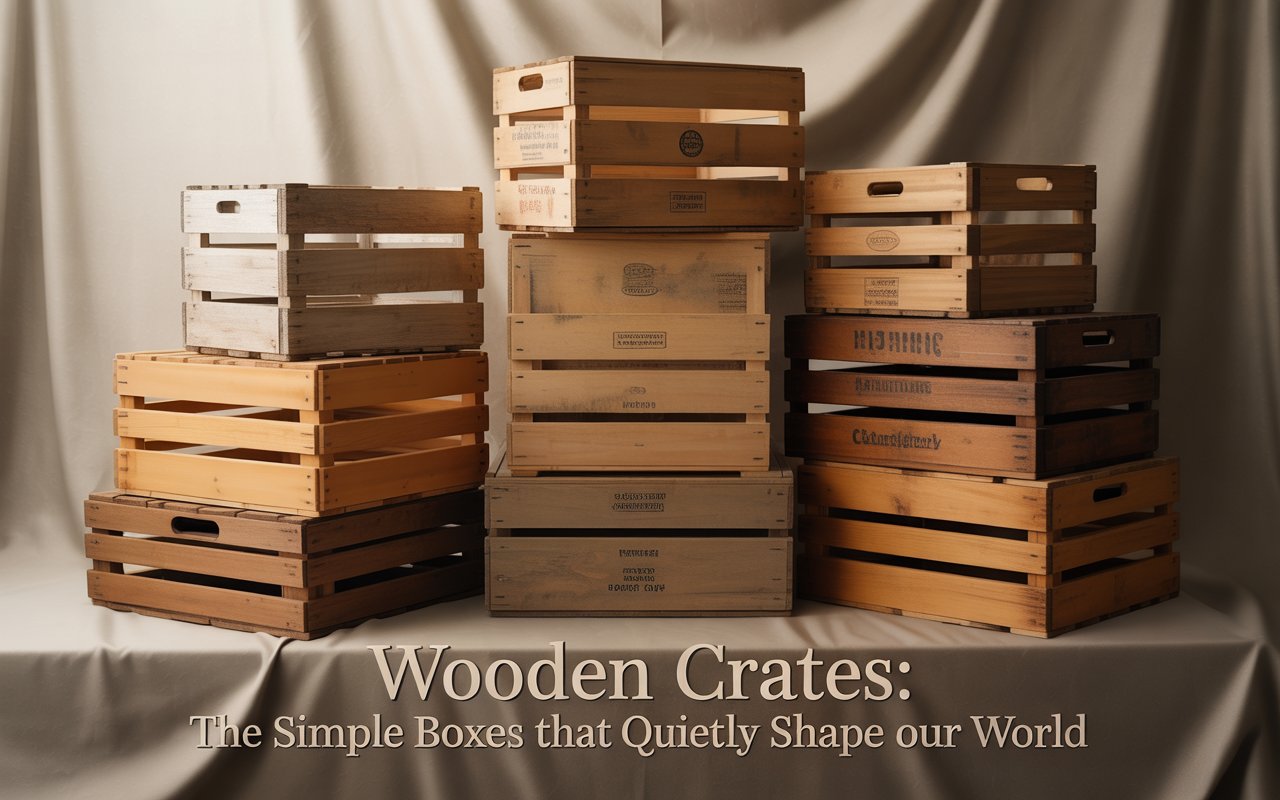

If you think about it, a wooden crate is just a box made of wood. Plain. Ordinary. Nothing fancy, right? But here’s a surprise: these humble containers have carried history on their backs. They’ve traveled across oceans, protected priceless items, stored crops, and even become part of stylish home décor. From farms and factories to living rooms and cafés, wooden crates quietly do more than we ever give them credit for.
Let’s take a friendly walk through the world of wooden crates—what they are, why they matter, and how they’re still useful today in ways you might not expect.
What Exactly Are Wooden Crates?
At their core, wooden crates are strong containers made from planks or panels. They’re designed to protect, store, and transport goods. Unlike cardboard or soft containers, wood gives stable support, making crates useful for heavy, fragile, or valuable items.
You’ll find them on farms filled with fresh fruit, in ports carrying goods from overseas, and inside warehouses stacked with supplies. They may look old-fashioned, but they’re far from outdated.
Think of a wooden crate like a reliable backpack. It may not look flashy, but it holds what matters and gets the job done without complaining.
A Short History Hidden in Wooden Walls
Wooden crates have been around for centuries, long before plastic bins and metal trunks. Traders used them on ships, soldiers used them to move supplies, and farmers depended on them to send crops to markets.
Before modern transport systems existed, wooden crates were the backbone of trade. They helped explorers carry supplies across unknown lands and supported industries as cities grew.
In many ways, wooden crates were the silent partners of progress—never on stage, but always behind the scenes.
Different Types of Wooden Crates
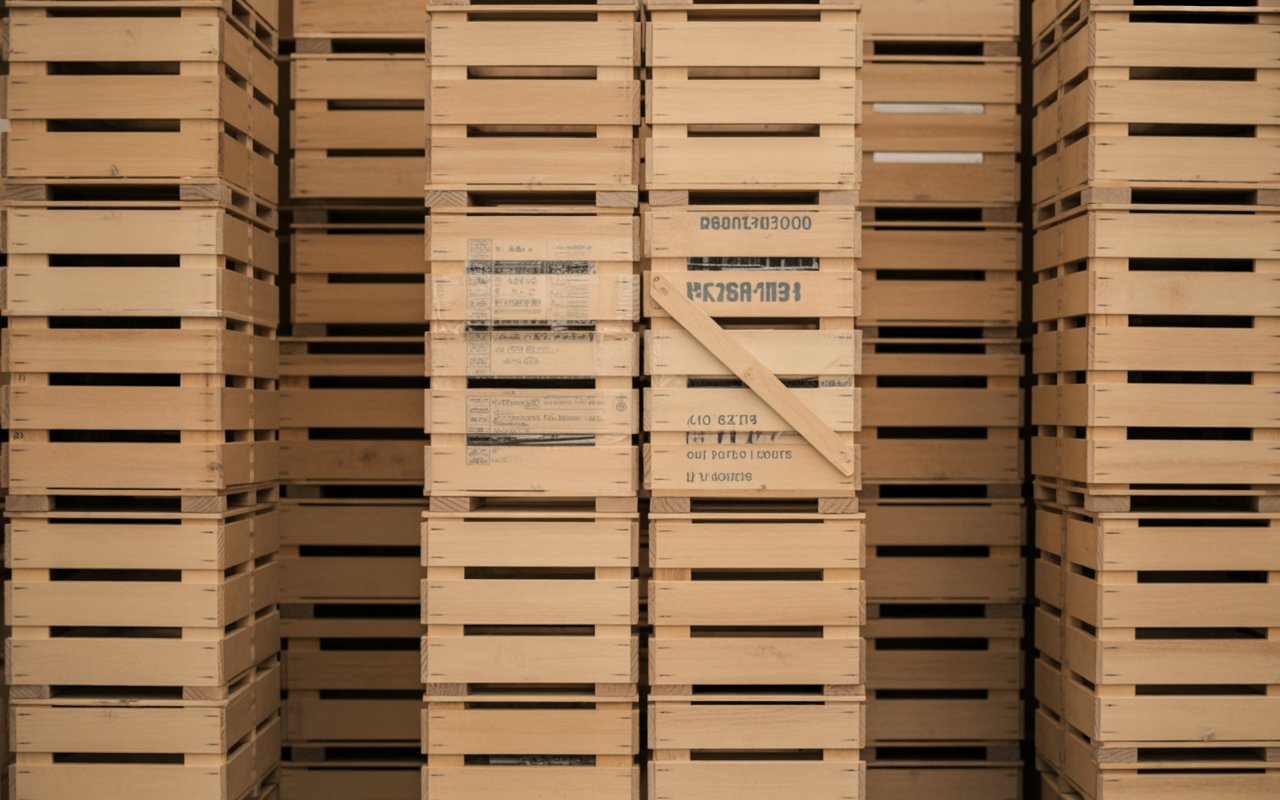
Not all crates look or behave the same. Let’s break them into easy categories.
Open Crates
These have slats with gaps between the boards. Air can move through them, making them perfect for produce like vegetables and fruits.
Closed Crates
These are fully sealed for protection. They’re used for fragile, expensive, or sensitive goods such as tools, electronics, or artwork.
Heavy-Duty Crates
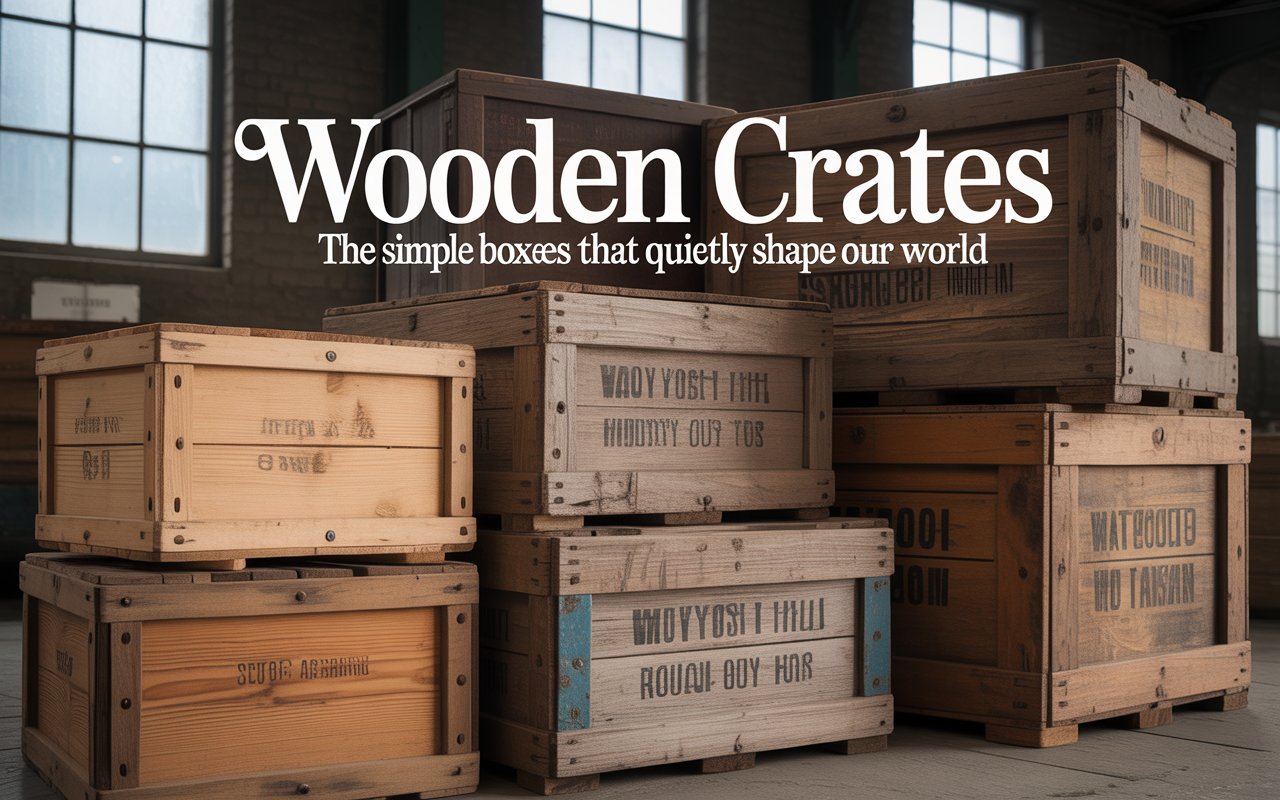
Built for heavy-duty use, these crates feature extra-thick timber and protective metal corners that give them exceptional strength and durability.
Decorative Crates
Often used for décor or storage. You’ll find them in homes, cafés, and retail spaces, holding magazines, plants, or shoes.
Why Wood Still Wins
In a world filled with plastic and metal, wood continues to hold its ground. Why?
Strength Without the Weight
Wooden crates are sturdy without being overly heavy. This balance makes them easier to handle while staying strong.
Natural Shock Absorber
Unlike metal, wood absorbs vibration. This helps reduce damage during transport.
Easy to Repair
Crack a plastic box and it’s done.Unlike other materials, wood can be easily restored with a few nails, strong adhesive, or a replacement board.
Timeless Look
Wood doesn’t go out of style. It fits everywhere, from rustic homes to trendy stores.
Wooden Crates in Everyday Life
They may start life carrying goods, but wooden crates often live a second life in your home.
Furniture
Turn a crate into a coffee table, bookshelf, or nightstand. Add a little imagination and it becomes something special.
Storage
Use crates in kitchens, bathrooms, or bedrooms. They hold towels, shoes, toys, and tools with ease.
Gardening
Wooden crates make great plant boxes and garden organizers.
Decoration
Paint them. Stack them. Hang them.Crates bring a natural charm that instantly makes any room feel more welcoming and lived-in.
It’s like giving an old story a new chapter.
Wooden Crates and the Earth
One of the biggest reasons people choose wooden crates today is sustainability.
Wood is renewable. When sourced responsibly, it’s far kinder to the planet than plastic. Worn-out crates can enjoy a second life through reuse, repurposing, or transformation into fuel instead of ending up as waste.
Using wooden crates is like choosing to walk instead of drive—you’re taking a small but meaningful step toward a healthier world.
How Wooden Crates Are Made
The process isn’t complicated, but it’s precise.
First, the wood is cut and dried. This removes moisture and makes it stronger. Then the pieces are shaped, assembled, and fastened together. Some are treated for pests. Others are left natural for indoor use.
Each crate is built to serve a purpose. A fragile item needs a tight crate. A batch of apples needs one with airflow.
Just like shoes, there’s no one-size-fits-all design.
Choosing the Right Wooden Crate
Before you buy or use a crate, ask yourself a few questions:
-
What will I store inside it?
-
Will it be indoors or outdoors?
-
Do I want it to look nice or just work hard?
-
Does it need handles or lids?
Choosing the right crate saves effort and avoids problems later.
Caring for Wooden Crates
If you want your crate to last, give it a little love.
Keep It Dry
Water is wood’s enemy. If used outdoors, apply a sealant.
Clean Gently
Use a dry or slightly damp cloth. Avoid soaking it.
Check for Damage
Look for cracks or loose boards and fix them early.
Wood, like people, lasts longer when cared for.
Creative Ways to Reuse Wooden Crates
Instead of throwing them away, give crates a second chance.
-
Make a shoe rack
-
Create wall shelves
-
Build a pet bed
-
Design a wine rack
-
Organize your garage
Reusing crates is like recycling wisdom—it saves resources and sparks creativity.
My Personal Experience with Wooden Crates
I once brought home a couple of old crates just to store books. A week later, they were holding plants. After that, they became a side table. That’s the charm—they adapt.
Wooden crates are surprisingly alive. They change roles easily, and before you know it, they feel like part of the home.
The Future of Wooden Crates
With the rise of eco-friendly living, wooden crates are getting another moment in the spotlight. Businesses are choosing them over plastic. Homes are using them for décor and storage. Artists are turning them into functional art.
The future looks wooden—and that’s a good thing.
Conclusion
Wooden crates aren’t just containers. They’re carriers of history, style, and practical value. They serve farms, factories, and families alike. Whether you use one to ship goods or hold books, you’re using an object that has quietly supported the world for generations.
So the next time you see a wooden crate, don’t just see a box. See a worker, a traveler, and a helper all in one.
FAQs
1. Are wooden crates stronger than plastic ones?
Yes, wood is generally more durable and better at handling heavy loads.
2. Can wooden crates be used outdoors?
Yes, with proper sealing and care, they can last outside too.
3. Are wooden crates environmentally friendly?
Yes, especially when sourced responsibly and reused instead of discarded.
4. Can I paint wooden crates?
Absolutely. Painting can protect the wood and match your style.
5. Where can I find affordable wooden crates?
Local markets, hardware stores, and online platforms often have them at reasonable prices.