





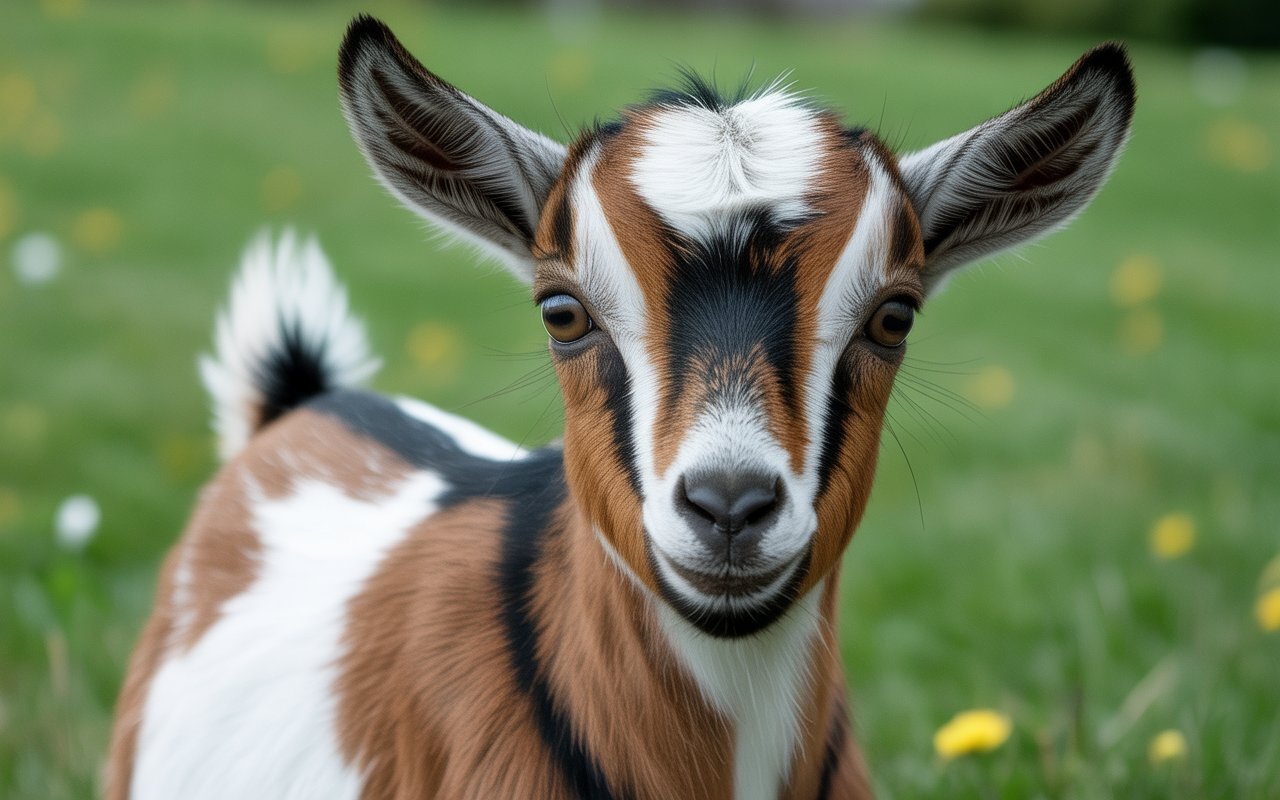

Baby goats have a way of winning people over instantly. Maybe it’s the tiny hops, the bright button eyes, or the way they seem to turn every pasture into their personal playground. Whatever the reason, there’s something universally charming about them. This article takes you through the world of baby goats in a warm, conversational way—simple language, clear explanations, and plenty of engaging detail.
Think of this as sitting down with a cup of tea and chatting with a friendly guide who has spent a lot of time around these lively little creatures.
H2: What Exactly Is a Baby Goat?
A baby goat is commonly called a kid. The name fits perfectly because they share a few traits with human children: curiosity, bursts of energy, and a strong desire to explore everything they see. Whether you’ve seen them on farms, online videos, or petting zoos, you’ve likely noticed how active and spirited they are right from the start.
H2: The First Few Hours After Birth
Early Bonding
A baby goat’s earliest hours are spent forging a special bond with its mother Mama goat, known as a doe, licks her newborn clean and nudges it to stand. It’s heartwarming to watch, like witnessing an instant friendship form.
The First Drink
A kid’s first sip of milk is not just a meal—it’s an immunity boost. This special milk, called colostrum, works like a natural shield that helps protect the newborn from illness.
H2: What Baby Goats Eat as They Grow
Milk for the First Months
For the first several weeks, milk is the star of the show. Kids depend on it for strength and steady growth. Some are bottle-fed when needed, especially in homes or small farms where close human care is provided.
Transition to Solid Foods
Around a month old, you might catch a kid nibbling hay, leaves, or even grass. It’s similar to how a toddler sneaks a taste of grown-up food out of curiosity.
Fresh Water
Even before they stop drinking milk, kids drink water to stay hydrated—especially during warm weather.
H2: How Baby Goats Grow and Develop
The Playful Stage
If there’s one thing baby goats excel at, it’s play. They jump on rocks, climb small structures, and bounce with incredible joy. Watching them is like watching popcorn in a hot pan—sudden, unpredictable, and oddly satisfying.
Learning the Herd Life
Goats are social animals. Young goats learn from older goats how to behave, where to graze, and how to navigate their environment.
H2: Personalities as Big as Their Ears
Baby goats have personalities that surprise people. Some are bold and adventurous, exploring every corner they can reach. Others prefer staying near their mothers, watching the world with quiet curiosity.
Unlike many farm animals, goats recognize faces and remember interactions. A kid that grows up with gentle handling often becomes a friendly adult.
H2: Health and Care Essentials for Kids
Clean Living Spaces
Baby goats need a clean, dry area to sleep. Damp bedding or crowded shelters can cause health issues.
Vaccinations and Check-ups
Farmers and keepers typically work with a veterinarian to ensure kids receive proper vaccinations. It’s similar to taking a child for routine check-ups—simple steps that prevent big problems.
Parasite Prevention
Because goats can be prone to parasites, regular monitoring is part of responsible care.
H2: Why Baby Goats Are So Playful
Their energy isn’t just for fun—although it certainly looks that way. Movement helps strengthen their bones, build balance, and develop muscles. Their quick reflexes and strong legs later help adult goats navigate rough terrain.
You could think of a baby goat’s playground (rocks, logs, ramps) as a miniature training ground for mountain adventures they might face when older.
H2: Housing Baby Goats the Right Way
Safe Space
Kids need an area that protects them from predators and harsh weather. Good fencing helps keep them safe.
Room to Play
Goats hate boredom. Open spaces encourage the natural behaviors—running, jumping, exploring—that keep them healthy and content.
H2: Do Baby Goats Make Good Pets?
The idea of having a baby goat as a pet sounds adorable, and in many ways it can be. They’re affectionate and entertaining. However, they need proper shelter, space, and regular care. Someone considering a pet goat should be ready for long-term responsibility.
Goats also grow quickly, so that tiny kid eventually becomes a full-sized goat. It’s like welcoming a tiny spark that will grow into a lively companion—you’re nurturing the future, not just the little one you adore today.
H2: Baby Goat Breeds and Their Differences
There isn’t just one kind of kid. Different breeds bring their own charm:
Nigerian Dwarf Kids
Small, colorful, and full of personality, often kept as pets or for milk.
Boer Kids
Strong and sturdy, known for rapid growth.
Pygmy Kids
Compact and especially playful, often favorites in petting zoos.
Each breed has its own look and temperament, just like dogs come in many shapes and personalities.
H2: The Human Connection: Why We’re Drawn to Kids
Something about baby goats sparks pure joy. Maybe it’s their uninhibited energy or the way they bounce around as if gravity is optional. Many people say watching kids play is relaxing—it’s like nature’s version of a comedy show.
This bond goes back centuries, as goats have lived alongside humans for food, milk, and companionship. Kids remind us of the innocence and positivity in everyday life.
H2: A Glimpse Into Life on a Goat Farm
Imagine walking into a quiet barn and hearing tiny bleats echoing around you. Kids run toward you, nudging your leg or tugging gently at your clothes. Farmers describe their barns as lively places where every day feels different.
Kids are early risers, so mornings on farms often begin with feeding, checking on moms, and giving special care to newborns.
Conclusion
Baby goats are more than adorable creatures—they’re energetic, intelligent, and full of charm. From their first wobbly steps to their fearless leaps, every moment with a kid feels like watching joy in motion. Understanding how they grow, what they need, and how they connect with humans gives us an even deeper appreciation for them.
Whether you’re considering raising goats or simply enjoy learning about these lively animals, the world of baby goats is rich, rewarding, and endlessly delightful. Their energy reminds us to stay curious and playful, no matter our age.
FAQs
1. What do baby goats eat?
Baby goats drink milk for the first few months, then slowly begin eating hay, grain, and grass while also drinking clean water.
2. Can baby goats live indoors?
They might stay indoors temporarily for warmth or medical care, but they need outdoor space to run, play, and explore.
3. How long do baby goats stay with their mothers?
Most kids stay with their mothers for at least two to three months, though some may be bottle-fed depending on the situation.
4. Are baby goats hard to take care of?
They require regular feeding, clean housing, and routine veterinary care. It’s manageable with proper knowledge and commitment.
5. Do baby goats need toys?
They don’t use toys like pets do, but they love climbing structures, ramps, and safe objects they can jump on or explore.