






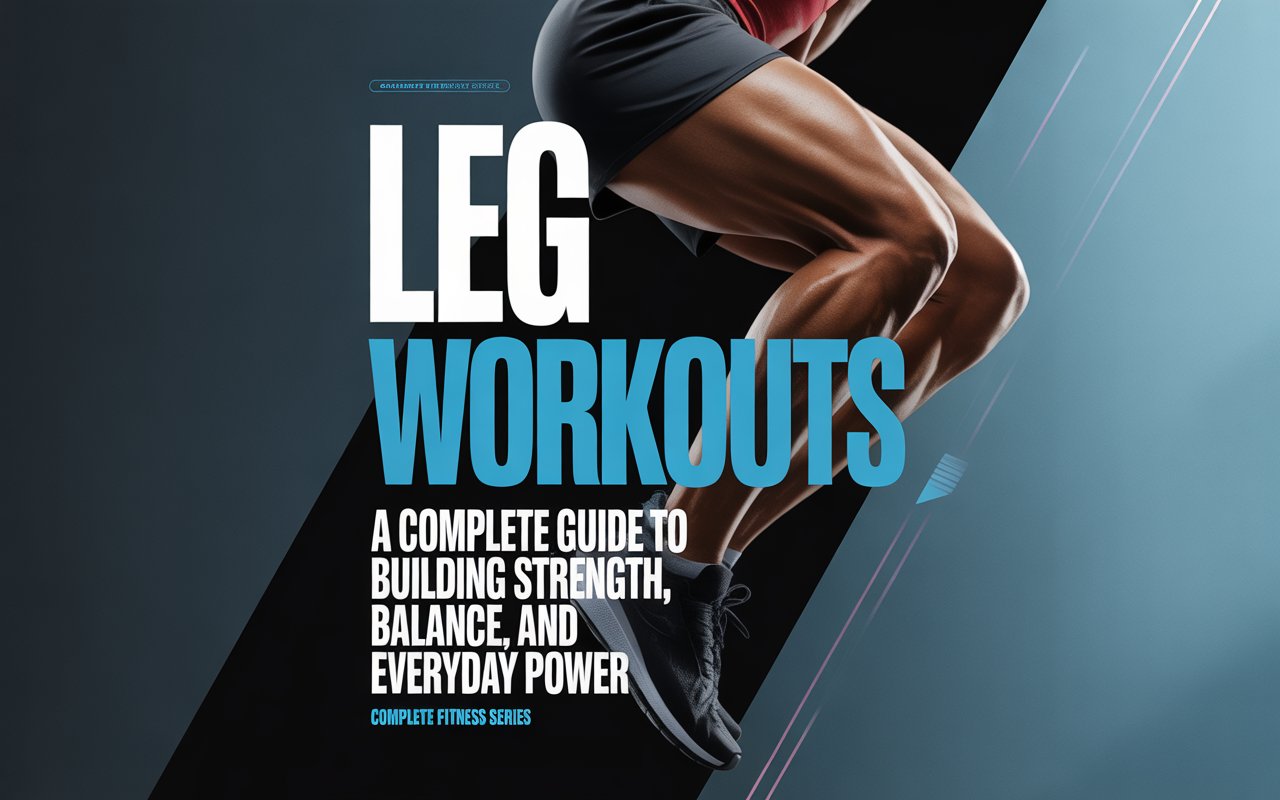
When most people think about fitness, they often picture toned arms or a strong core. But the real unsung heroes of the body? The legs. They carry us through long days, help us move freely, and give our entire body a foundation to rely on. Whether you’re chasing a healthier lifestyle, aiming to improve your athletic performance, or simply wanting to feel stronger in daily life, leg workouts play a huge role.
Think of your legs like the pillars of a house—if the pillars are strong, everything else feels stable. Weak pillars? Well, you can imagine the wobbling. This article dives deep into everything you need to know about effective leg training, from the science behind it to beginner-friendly exercises, recovery tips, motivation strategies, and more.
Why Strong Legs Matter More Than You Think
Your legs aren’t just about appearance. They support your joints, improve posture, and boost long-term mobility. When your lower body is strong, everyday activities like climbing stairs, lifting groceries, or even walking long distances feel easier.
Improves Balance and Stability
Your legs contain some of the largest muscle groups, including the quadriceps, hamstrings, glutes, and calves. Working on them improves balance, helps prevent falls, and creates better coordination.
Boosts Metabolism
Leg muscle mass impacts how many calories you burn throughout the day. The more muscle you build, the more energy your body uses—even while resting.
Understanding the Major Muscles in Your Legs
Before jumping into any training, it helps to know what you’re targeting. This ensures you train smarter, not harder.
Quadriceps
Located on the front of your thighs, these muscles help you straighten your knees and are heavily involved in movements like squats and lunges.
Hamstrings
Positioned on the back of your thighs, these muscles bend the knee and play a key role in hip movement.
Glutes
Your glute muscles control hip stability, posture, and explosive power. They are crucial for lifting, jumping, and overall lower-body strength.
Calves
These help with balance, walking, and running. Strong calves reduce strain on your ankles and improve endurance.
Starting Your Leg Workout Journey: Keep It Simple
If you’re new to training, the best approach is to start slow. You don’t need fancy machines or heavy weights; your body weight is often enough to make a real difference.
Warm-Up Matters
Spend 5–10 minutes preparing your muscles. Try fast walking, light jogging, or dynamic stretches such as leg swings or hip circles.
Learn Proper Form
Good technique is more important than the amount of weight lifted. Proper form prevents injuries and ensures each movement targets the right muscles.
The Big Three: Foundation Leg Exercises Everyone Should Know
These movements are powerful, efficient, and suitable for almost all fitness levels.
Squats
Squats strengthen your entire lower body and core. They improve mobility and build strength in the hips and legs.
How to Do It
-
Stand with feet shoulder-width apart.
-
Lower your hips as if sitting in a chair.
-
Keep your weight on your heels.
-
Push back up to stand.
Try 10–15 reps to begin with.
Lunges
Lunges help with balance, stability, and strengthening each leg individually.
How to Do It
-
Step forward with one leg.
-
Lower your body until your back knee nearly touches the floor.
-
Push back to the starting position.
Glute Bridges
This exercise targets your glutes and helps reduce lower-back stress.
How to Do It
-
Lie on your back with knees bent.
-
Push your hips upward.
-
Squeeze your glutes at the top.
-
Lower back down slowly.
Intermediate Leg Workouts to Push Your Strength
Once you feel confident with basic movements, it’s time to level up.
Bulgarian Split Squats
These strengthen your quads and glutes while improving balance.
Romanian Deadlifts (RDLs)
Great for hamstrings and lower-back stability. You can use dumbbells, a barbell, or even resistance bands.
Step-Ups
This functional exercise mirrors movements you already do daily, like walking upstairs.
Calf Raises
Stand on a step or flat surface and lift your heels upward. Simple but effective.
A Complete Weekly Leg Routine
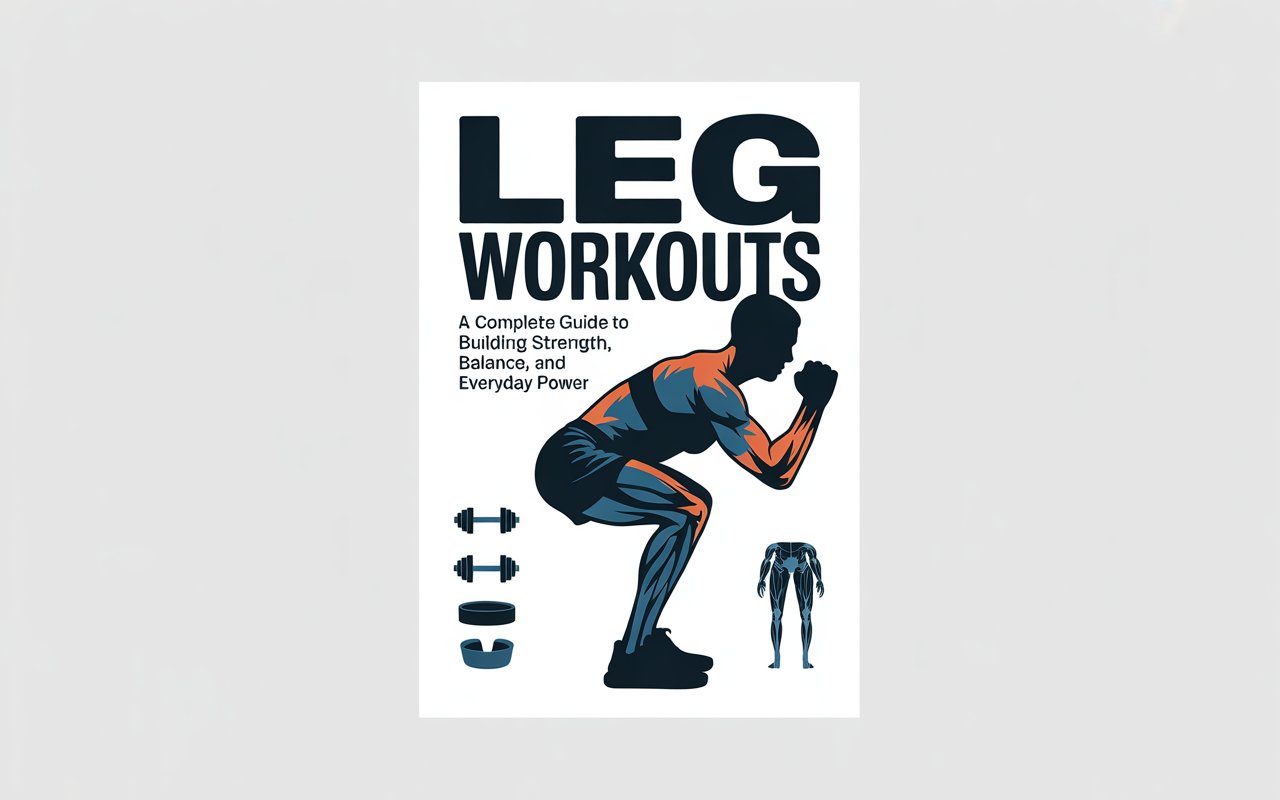
Here’s a friendly routine you can adapt based on your level. Always listen to your body.
Beginner Routine (2 Days/Week)
-
Squats – 3 sets of 12
-
Lunges – 3 sets of 10 per leg
-
Glute bridges – 3 sets of 15
-
Calf raises – 3 sets of 20
Intermediate Routine (2–3 Days/Week)
-
Squats – 4 sets of 10
-
Bulgarian split squats – 3 sets of 8 per leg
-
RDLs – 3 sets of 10
-
Step-ups – 3 sets of 12 per leg
-
Calf raises – 4 sets of 15
Advanced Routine (For Strength Lovers)
-
Barbell squats
-
Deadlifts
-
Weighted lunges
-
Hip thrusts
-
Box jumps
Training at Home vs. the Gym
Both locations have unique benefits.
Home Workouts
-
No equipment needed
-
Flexible schedule
-
Perfect for beginners
Exercises like squats, wall sits, donkey kicks, and glute bridges work great at home.
Gym Workouts
-
More equipment variety
-
Better resistance options
-
Ideal for building serious strength
Machines like the leg press, smith machine, or squat rack help expand your routine.
Common Mistakes to Avoid During Leg Workouts
Even seasoned exercisers make simple mistakes that hinder results.
Skipping Warm-Ups
Going straight into heavy training can lead to strains.
Using Too Much Weight
Focus on form before weight. Slow and controlled reps are more effective.
Poor Foot Position
Keeping your feet in the wrong place can stress your knees and lower back.
Not Training All Muscles
Many people overtrain quads and undertrain hamstrings and glutes. Balance is key.
The Role of Nutrition in Leg Strength

Training alone won’t build strong legs. What you eat matters.
Protein Helps Repair Muscles
Include lean proteins like eggs, chicken, beans, lentils, tofu, or fish.
Hydration Supports Performance
Even mild dehydration affects your strength and endurance.
Carbs Fuel Your Workouts
Whole grains, fruits, and vegetables give you energy to perform better.
Recovery: An Essential Part of Leg Training
Your muscles grow when you rest – not during the workout.
Stretch After Training
Static stretching reduces stiffness and keeps your joints flexible.
Get Enough Sleep
At least 7–9 hours helps muscle recovery and overall energy.
Light Movement Helps
Walking, gentle yoga, or mobility exercises keep you from feeling stiff the next day.
Foam Rolling
This reduces soreness by improving blood flow.
Staying Motivated on Your Leg Training Journey
Leg workouts can be challenging, but staying consistent pays off.
Set Small Goals
Instead of focusing only on aesthetics, aim for functional goals—like deeper squats or longer wall sits.
Track Your Progress
A simple journal or app helps you stay accountable.
Find Exercises You Enjoy
If squats aren’t your favorite, try step-ups, cycling, hiking, or dancing. They all strengthen your legs.
Remember Your “Why”
Are you training for health? Confidence? Sports? Write it down and revisit it often.
Conclusion
Leg workouts might seem tough at first, but they’re one of the best investments you can make for your body. Strong legs support everything—from better mobility and balance to energy and youthfulness. With the right mix of form, consistency, rest, and smart nutrition, leg training becomes less of a chore and more of a way to feel powerful in your daily life.
You don’t need to be a bodybuilder or athlete to benefit. Start simple. Stay consistent. Trust the process. Before you know it, your legs will feel stronger, steadier, and more capable than ever.
FAQs
1. How often should I train my legs each week?
Most people benefit from 2–3 leg sessions per week, depending on intensity and recovery.
2. Can I build strong legs without weights?
Yes! Bodyweight exercises like squats, lunges, and glute bridges can build real strength when done consistently.
3. Why do my legs feel sore after workouts?
Muscle soreness (DOMS) is normal after training, especially if you’re new or trying new moves. Gentle stretching and hydration help.
4. Is it okay to work out legs two days in a row?
It’s better to give muscles at least 24–48 hours to recover. If you must train, choose a lighter or mobility-focused session the next day.
5. What’s the best leg exercise for beginners?
Squats and glute bridges are great starting moves because they’re simple, effective, and easy to modify.