





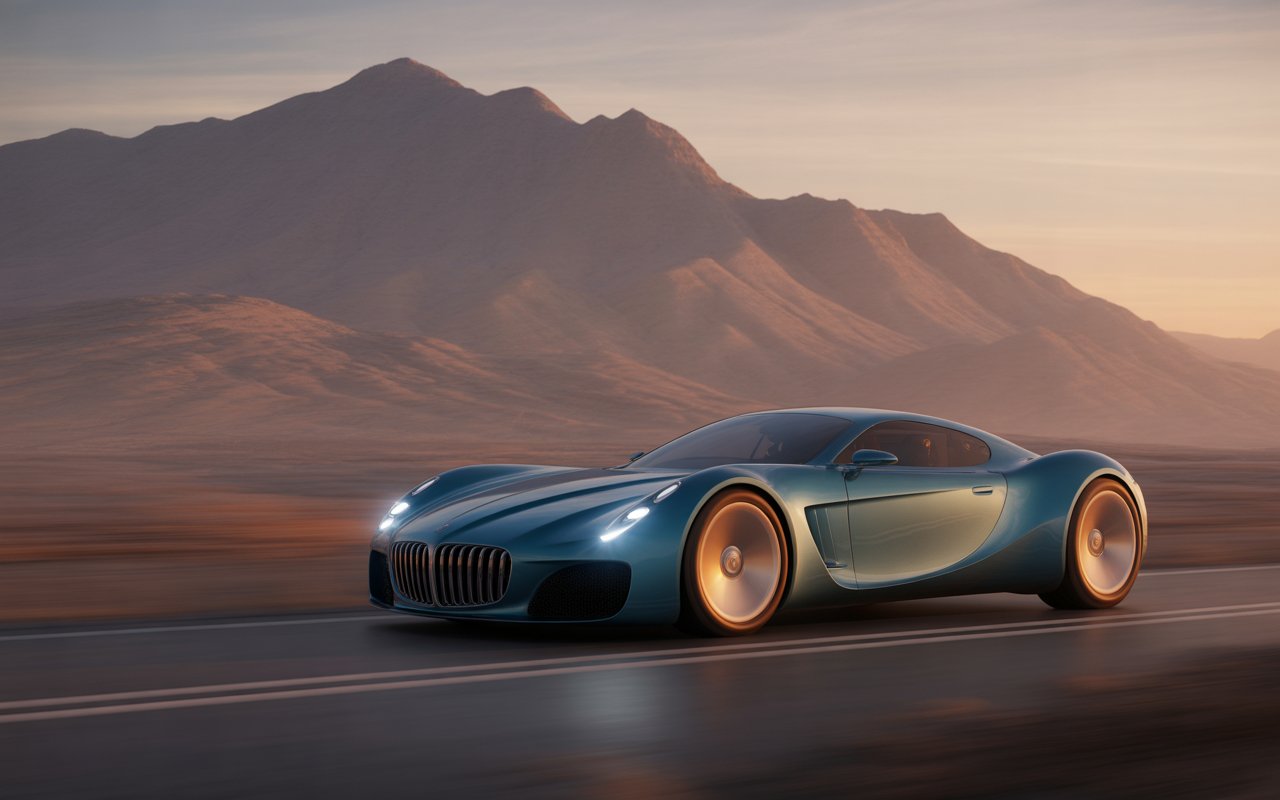

Have you ever wondered what it feels like to own something so rare and breathtaking that only a handful of people on the planet can experience it? Cars, for many of us, are a means of getting from point A to B. But for the ultra-rich, they’re rolling pieces of art—symbols of power, prestige, and sometimes, wild imagination. Among these automotive masterpieces, one car wears the crown as the most expensive car in the world, sparking curiosity across every corner of the globe.
Let’s take a fascinating journey into the world of luxury automobiles, uncover what makes them so expensive, and explore the stories behind these record-breaking machines.
The Allure of High-Price Automobiles
Why would anyone spend hundreds of millions on a single car? It might sound extravagant, but these vehicles are more than modes of transport. They’re rare collectibles, technological marvels, and cultural icons.
Think of them like rare paintings. A Picasso isn’t just canvas and paint—it’s history, genius, and a statement. Similarly, the most expensive car represents the pinnacle of craftsmanship and innovation. Every curve, stitch, and engine roar tells a story.
A Quick Look Back: When Luxury Cars Became Icons
Before we reveal the current record-holder, let’s rewind a little. In the early 20th century, luxury cars like Rolls-Royce Phantom I or Bugatti Type 41 Royale were the ultimate status symbols. These were hand-built machines meant only for royalty and the ultra-elite.
Fast forward to the post–World War II era, and cars like the Ferrari 250 GTO of the 1960s began commanding astronomical prices—not because they were dripping with diamonds, but because they were rare and legendary on the racetrack. Collectors saw them as both investments and trophies.
The Current Record Holder: Mercedes-Benz 300 SLR Uhlenhaut Coupé
A Timeless Legend
In 2022, the automotive world gasped when a 1955 Mercedes-Benz 300 SLR Uhlenhaut Coupé was sold at a private auction for $143 million. That’s right—one car, one price tag, and one jaw-dropping figure that set a new world record.
This wasn’t a futuristic hypercar. It was a vintage beauty with a racing soul and a story that reads like a Hollywood script.
Why This Mercedes Is Worth More Than Some Islands
Rarity Beyond Compare
Only two of these coupés were ever made, and neither was originally intended for private ownership. They were built as prototypes for racing and never sold to the public. For decades, both remained in Mercedes-Benz’s museum collection, untouchable and legendary.
A Piece of History
The car is named after Rudolf Uhlenhaut, Mercedes’ chief engineer, who famously used one of these coupés as his company car. He was known to drive it to work at astonishing speeds, treating it like his personal rocket ship. The car itself was born in the golden age of motorsport, making it a living relic of automotive history.
Engineering Excellence
Under its elegant silver body is a 3.0-liter straight-eight engine that could push the car to around 180 mph—a staggering figure for the 1950s. It represented the peak of Mercedes’ racing technology of that era.
The Runners-Up: Cars That Nearly Stole the Crown
Although the Uhlenhaut Coupé holds the top spot, other luxury vehicles have also crossed mind-boggling price thresholds. Here’s a closer look at some jaw-dropping contenders:
Bugatti La Voiture Noire — Around $18 Million
Bugatti unveiled this dark, sleek hypercar in 2019 as a tribute to the legendary Type 57 SC Atlantic. With its sculpted carbon-fiber body, quad-turbo W16 engine, and a top speed exceeding 250 mph, it’s both a technical masterpiece and a design statement. Only one unit was made, adding to its mystique.
Pagani Zonda HP Barchetta — Around $17.5 Million
With its unique open-top design and artistic detailing, the Zonda HP Barchetta looks more like a sculpture than a machine. Horacio Pagani, the company’s founder, built just three of these, and one was for himself.
Rolls-Royce Boat Tail — Around $28 Million
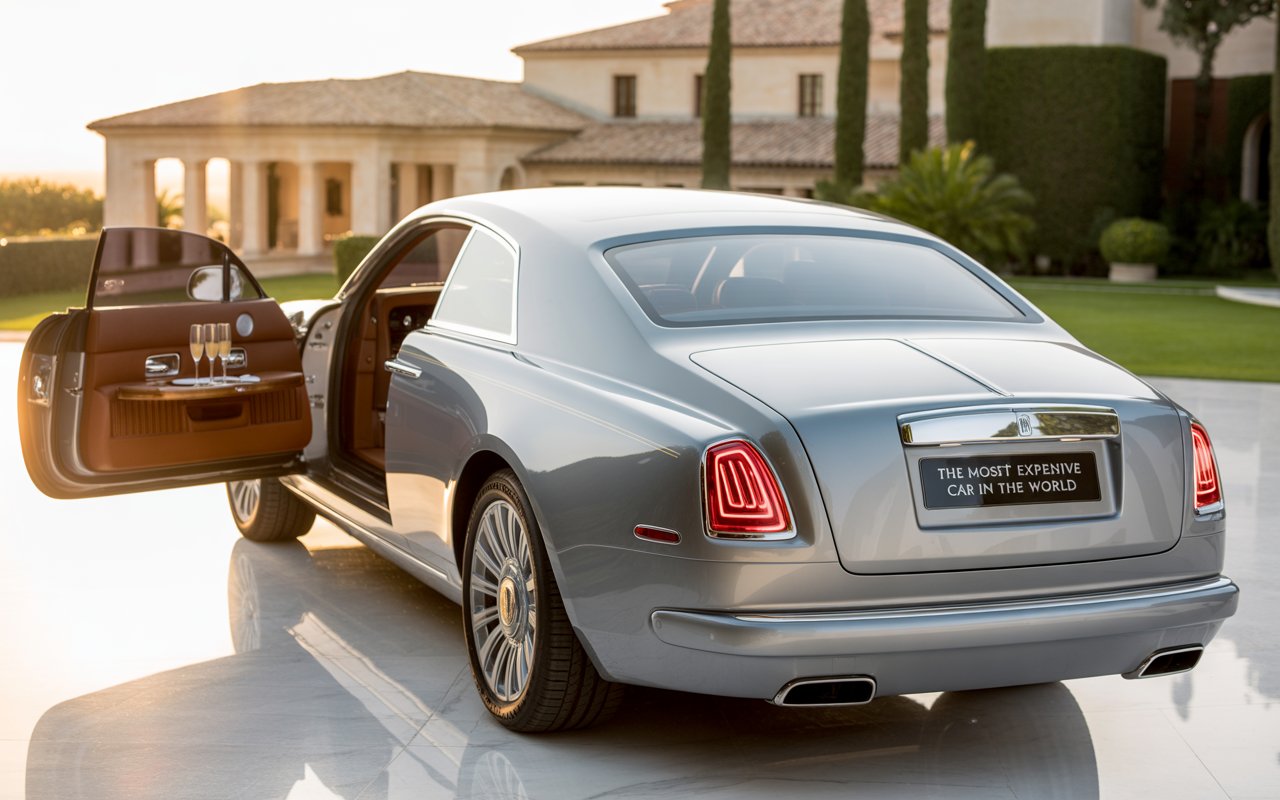
This modern luxury car was custom-built for an undisclosed client. Inspired by luxury yachts, it features a rear deck that opens up like a butterfly to reveal a hosting suite complete with champagne fridge and crystal flutes. It’s less about speed and more about opulent experiences.
What Actually Makes a Car So Expensive?
It’s not just about the brand name or a flashy exterior. Several factors work together to push these cars into astronomical price ranges:
1. Rarity and Exclusivity
The fewer the units produced, the higher the demand. Some cars are one-offs, never to be built again.
2. Historical Significance
Cars tied to racing legends, pivotal technological breakthroughs, or cultural milestones often become priceless over time.
3. Craftsmanship and Materials
Luxury vehicles often feature hand-stitched interiors, rare woods, precious metals, or even gemstones. Every detail is meticulously crafted.
4. Performance
Top-tier speed, acceleration, and handling also add to the prestige. Many expensive cars push engineering boundaries.
5. Personalization
Many modern ultra-luxury cars are customized down to the stitching color and monogrammed champagne glasses. This bespoke approach adds exclusivity—and cost.
The Role of Auctions and Collectors
You might wonder how the price of an old car skyrockets to nine figures. The answer lies in the collector car market, where auctions play a central role.
When rare cars hit the auction block, wealthy collectors compete fiercely, driving prices to record levels. Auctions from houses like Sotheby’s or Bonhams are often the stage for these historic moments.
For instance, the Mercedes-Benz 300 SLR wasn’t sold publicly—it was a private auction with select invited collectors. This exclusivity itself added to its mystique and price tag.
Modern Hypercars: Where Innovation Meets Extravagance
While vintage cars dominate auction records, modern hypercars are redefining what’s possible on the road. These cars aren’t just about luxury—they’re technological testbeds.
Koenigsegg Jesko Absolut
With a design focused purely on speed, this Swedish marvel aims to become the fastest car on Earth. Its sleek aerodynamics and monstrous power output show how far modern engineering can go.
Aston Martin Valkyrie
Created in collaboration with Formula 1 engineers, this car brings race technology to the street. Its futuristic design looks like something straight out of a sci-fi film.
Rimac Nevera
This all-electric hypercar from Croatia is changing the narrative around performance vehicles. It delivers blistering acceleration while producing zero emissions, proving that the future can be both green and mind-bendingly fast.
Customization: The Personal Touch That Adds Millions
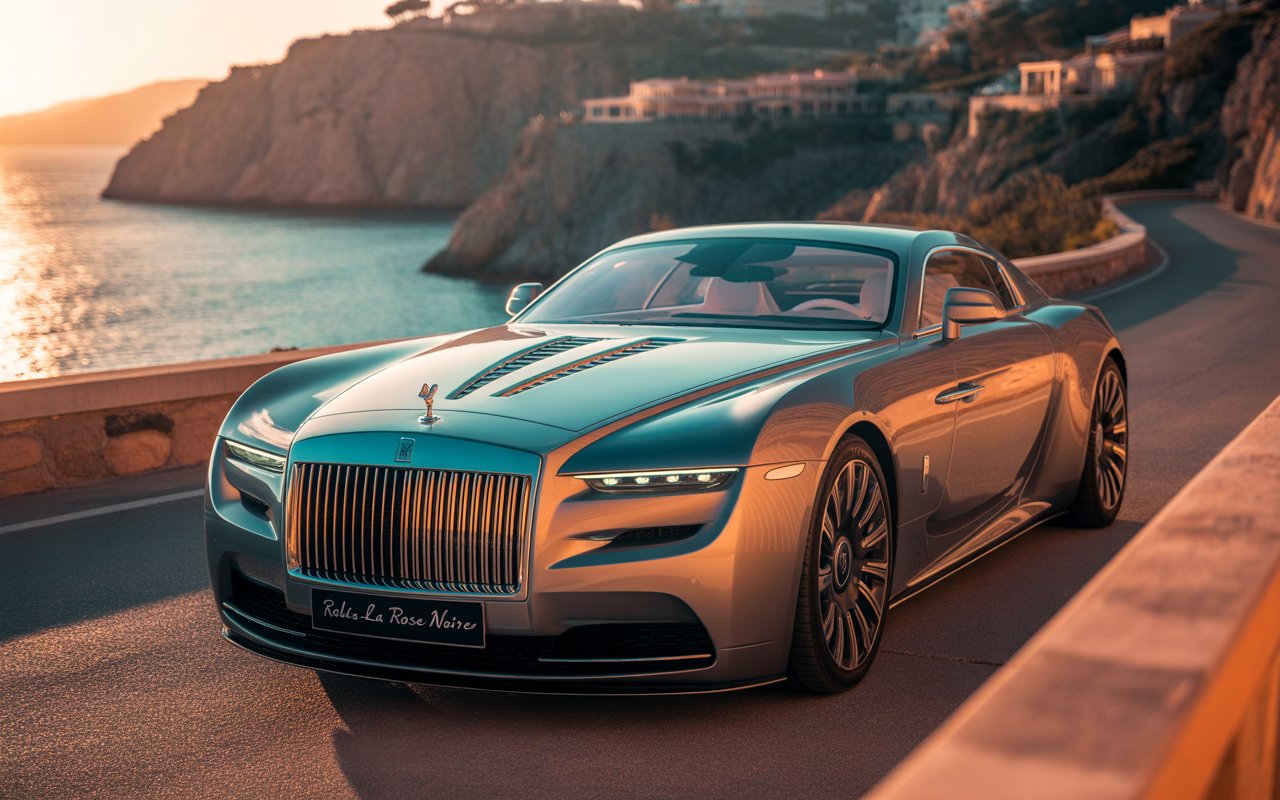
For many ultra-rich buyers, buying the car is just the beginning. The real magic happens during customization.
Brands like Rolls-Royce, Bentley, and Pagani offer bespoke services that transform a vehicle into a reflection of its owner’s personality. Think custom paint mixed with crushed diamonds, unique embroidery patterns, or personalized interiors designed to match a luxury yacht.
It’s like commissioning a tailor-made suit, but on wheels—and with a few extra zeros on the price tag.
More Than a Machine: A Symbol of Status and Power
Let’s be honest: part of what makes these cars so desirable is the status they confer. Driving a regular sedan says you value practicality. Driving a limited-edition hypercar says, “I can own something you can’t even dream of.”
These vehicles are often stored in climate-controlled garages, shown off at exclusive events, and driven only on rare occasions. For some owners, they’re investments. For others, they’re toys that display their success.
Are These Cars Good Investments?
Surprisingly, yes—many of these cars appreciate in value over time. The Ferrari 250 GTO, once sold for just $18,000 in the 1960s, has been auctioned in recent years for over $70 million. Rare cars with strong historical backgrounds can outperform traditional investments like real estate or stocks.
However, this market isn’t without risks. Tastes change, maintenance costs are sky-high, and finding buyers at that level isn’t easy. It’s a niche world, but one with potential for massive returns.
The Future: Will Electric Cars Break Price Records?
As the world moves toward electric vehicles, many wonder if the next record-breaking car will be battery-powered. With companies like Rimac and even traditional brands like Rolls-Royce investing in electric luxury, it’s only a matter of time before we see a fully electric car commanding astronomical prices.
Imagine a future where the most expensive car doesn’t roar—it hums quietly, with mind-bending speed and zero emissions. It might sound paradoxical, but innovation often starts with the unimaginable.
Conclusion
The world of the most expensive cars is more than just a display of wealth—it’s a fascinating intersection of history, engineering, art, and human ambition. From the timeless Mercedes-Benz 300 SLR Uhlenhaut Coupé to futuristic hypercars, these vehicles tell stories that span generations.
For most of us, they remain distant dreams, admired through screens and magazines. But they remind us of what’s possible when imagination, craftsmanship, and passion collide. Whether you see them as investments, art pieces, or feats of engineering, one thing is certain: these cars are unforgettable.
FAQs
1. What is currently the most expensive car in the world?
The 1955 Mercedes-Benz 300 SLR Uhlenhaut Coupé, sold in 2022 for $143 million, holds the record.
2. Why are some cars worth more than others?
Factors like rarity, historical importance, craftsmanship, performance, and exclusivity all contribute to a car’s high value.
3. Are modern hypercars more expensive than vintage classics?
Not necessarily. While modern hypercars can cost millions, vintage classics often break records at auctions due to their rarity and historical significance.
4. Can expensive cars be good investments?
Yes, some rare and historically significant cars appreciate significantly over time, making them attractive to collectors and investors.
5. Will electric cars become the most expensive in the future?
It’s likely. As technology evolves and electric performance cars become rarer and more advanced, they could set new price records.