






When people think about travel in the Philippines, the first places that usually come to mind are Boracay, Palawan, or Cebu. But beyond these well-known spots lies a charming coastal town that has stories to tell, a community that stands resilient, and landscapes that will take your breath away. Let’s dive into Saint Bernard, Southern Leyte, and discover why this town deserves a place on your travel bucket list—or even just in your heart.
A Glimpse of Saint Bernard
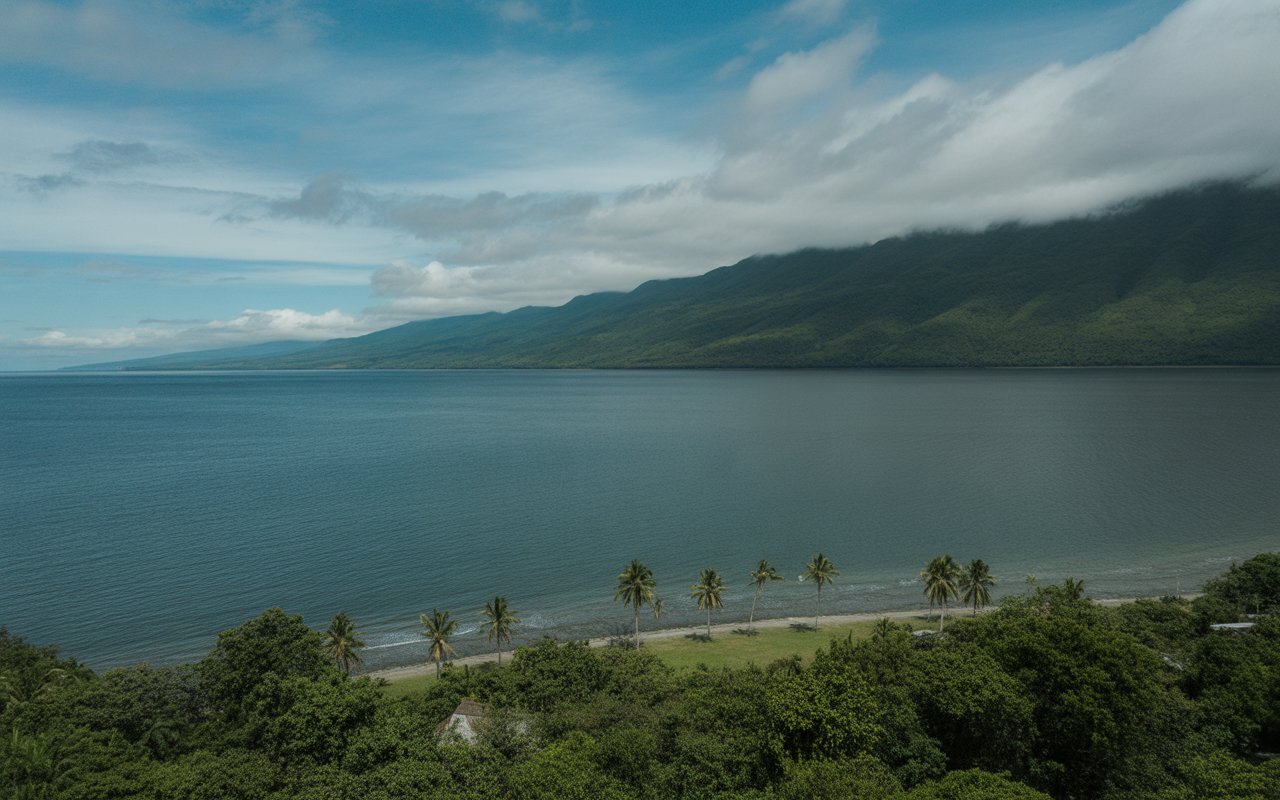
Saint Bernard is a peaceful municipality located in the southern part of Leyte, one of the islands in the Eastern Visayas region. Nestled between the mountains and the Pacific Ocean, it’s a place where you can enjoy both the calming sea breeze and the cool embrace of nature. While small in size, it holds deep cultural and historical significance for its people.
The Geography and Setting
A Community Rooted in History

Saint Bernard’s story is not just about its location—it’s about its people. Over the years, locals have built a community that thrives on fishing, farming, and small-scale trade. Walking through its barangays, you’ll find friendly faces, traditional homes, and a lifestyle that reflects simplicity and close family ties.
The Guinsaugon Landslide: A Defining Moment
No conversation about Saint Bernard is complete without mentioning the tragic Guinsaugon landslide of 2006. In just minutes, an entire village was buried, leaving thousands of lives affected. It was one of the deadliest landslides in Philippine history. But what makes this tragedy significant today is not just the loss—it’s the resilience of the survivors and the town itself.
Resilience and Rebuilding
After the disaster, Saint Bernard became a symbol of hope and strength. Families relocated, communities rebuilt, and a collective spirit grew stronger. It’s like watching a tree bend during a storm but stand tall again after the winds have passed. That resilience is still visible today—in the way people live, in how they support one another, and in their determination to move forward.
Cultural Life and Traditions
Despite the hardships, culture thrives in Saint Bernard. Festivals bring color and joy to the streets, with music, dance, and traditional food that reflect the town’s rich heritage. Like many places in the Philippines, religion plays an important role, and community gatherings often revolve around church celebrations, fiestas, and family reunions.
Natural Attractions Worth Exploring
If you’re a nature lover, Saint Bernard offers plenty to see:
-
Coastal views – The coastline is serene, perfect for quiet walks or simply watching the sunrise.
-
Hiking trails – The surrounding hills provide opportunities for trekking and exploring.
-
Eco-tourism spots – Waterfalls, rivers, and lush greenery make it a hidden paradise for those willing to venture off the beaten path.
It may not yet be on the mainstream tourist map, but perhaps that’s what makes it more appealing—you get the beauty without the crowds.
Local Food and Flavors
Food in Saint Bernard reflects the simple yet hearty Filipino lifestyle. Fresh seafood is a staple, often grilled or cooked with coconut milk. You’ll also find classic Visayan dishes such as tinola (chicken soup with ginger) or kinilaw (Filipino ceviche). Eating here feels less like dining out and more like being invited into someone’s home.
Daily Life in the Town

Life moves at a slower pace in Saint Bernard. Kids play along the shore, fishermen mend their nets, and neighbors greet each other as if they were family. For visitors, it’s a refreshing contrast to the rush of city living. It’s a reminder that happiness often comes from the simplest things.
Challenges and Opportunities
While Saint Bernard is charming, it also faces challenges—limited economic opportunities, vulnerability to natural disasters, and the need for sustainable development. But with these challenges come opportunities: eco-tourism, community-driven projects, and stronger disaster-preparedness programs that could make the town a model for resilience in the region.
Why Visit or Learn About Saint Bernard?
So why should you care about a small town in Southern Leyte? Because Saint Bernard is more than just a dot on the map—it’s a story of survival, community, and beauty. It teaches us that even when life literally buries us under the weight of tragedy, we can dig ourselves out and bloom again. Visiting, supporting, or even just learning about Saint Bernard is a way to honor that spirit.
Conclusion
Saint Bernard, Southern Leyte, may not be the first destination you think of when planning a trip to the Philippines, but it deserves recognition. With its natural charm, rich cultural traditions, and remarkable resilience, this little town is proof that true beauty lies not just in the landscapes we see, but in the people who live there.
FAQs About Saint Bernard, Southern Leyte
1. Where is Saint Bernard located?
Saint Bernard is a municipality in Southern Leyte, part of the Eastern Visayas region in the Philippines. It lies along the coast, surrounded by mountains and the Pacific Ocean.
2. What is Saint Bernard best known for?
It is most remembered for the 2006 Guinsaugon landslide, one of the deadliest landslides in Philippine history. Today, it is also known for its resilience and natural beauty.
3. How can you get to Saint Bernard?
Travelers can reach Southern Leyte via flights to Tacloban or Ormoc, followed by a bus or van ride to Saint Bernard. Ferry services also connect nearby islands.
4. What can tourists do in Saint Bernard?
Tourists can enjoy the serene coastline, explore eco-tourism sites like waterfalls and trails, experience local festivals, and taste authentic Visayan cuisine.
5. Why is Saint Bernard important to the Philippines?
Aside from its natural attractions, Saint Bernard stands as a symbol of resilience. Its history reminds the nation of the importance of disaster preparedness, community solidarity, and the strength of the human spirit.